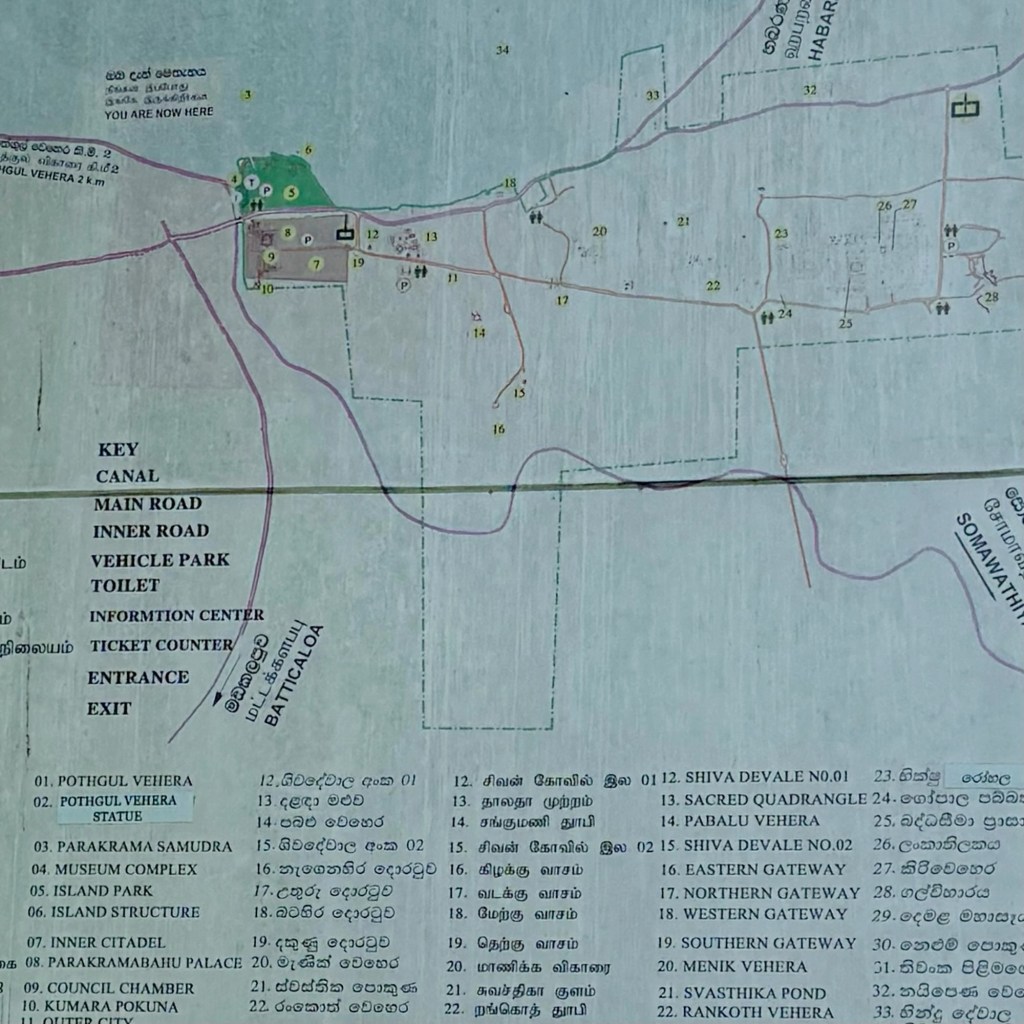
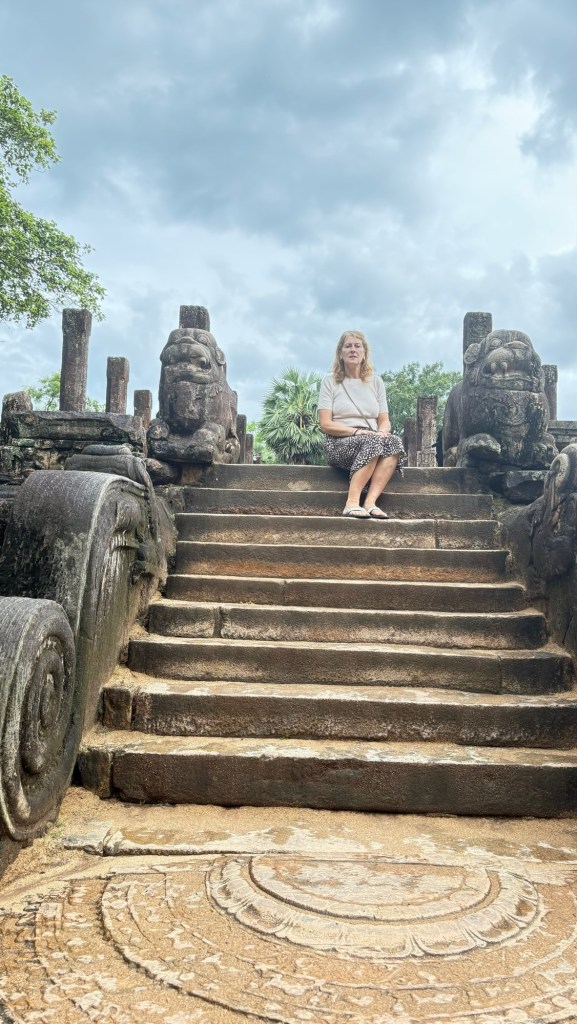
Polannaruwa was established as the second capital city of Sri Lanka after the fall of Anuradhapura in the late 10th century AD. It was the capital then until the early part of the thirteenth century although there is evidence that it was inhabited for many centuries before, having been used as a country residence by some of the Anuradhapura kings in the seventh century.
The site of the city also includes a Hindu Temple amongst the usual buildings found in a Sinhalese Buddhist centric ancient city.
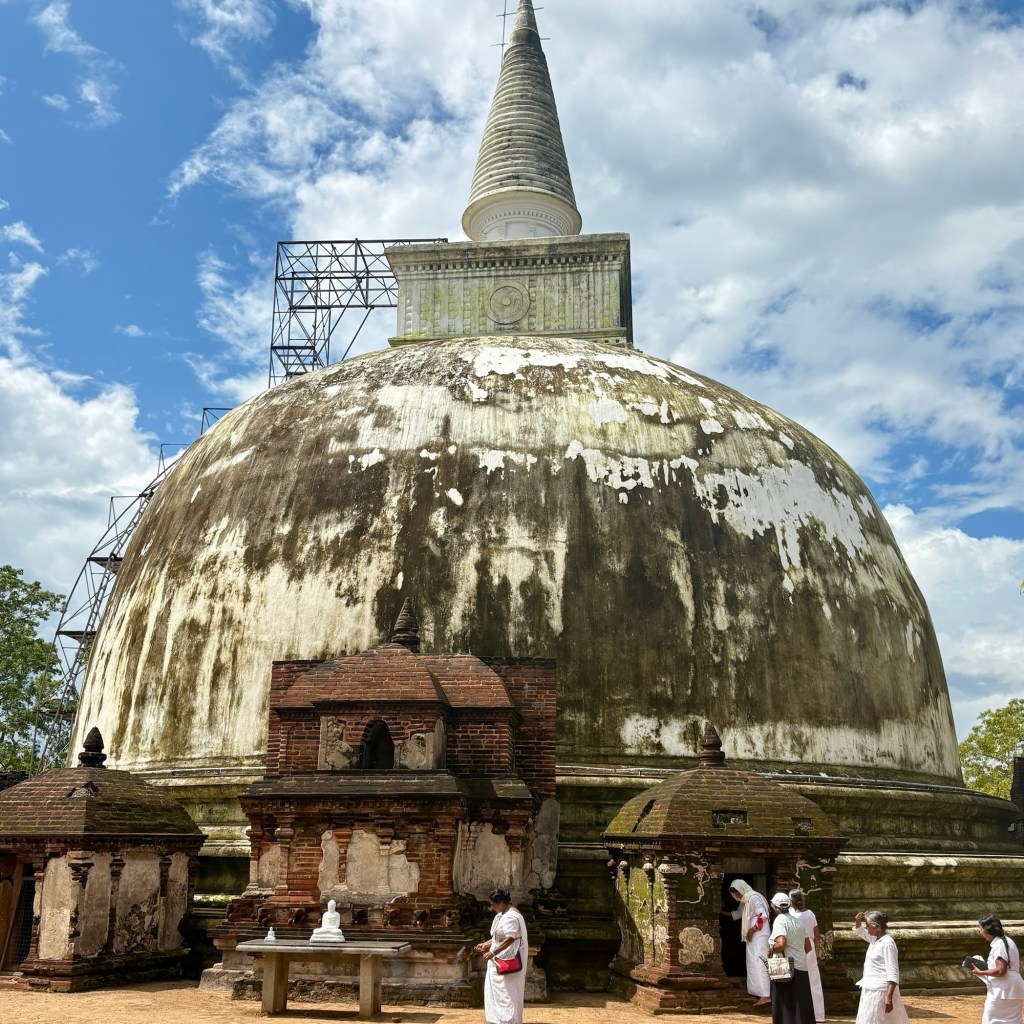
The city flourished under King Parakramabahu whose legacy was to declare that not a drop of rain from heaven was to be wasted. The site contains extensive examples of advanced irrigation systems, stupas and temples. It is a UNESCO site and showcases the advancement at the time of urban planning, hydraulics and agriculture that included the construction of extensive reservoirs for water preservation.
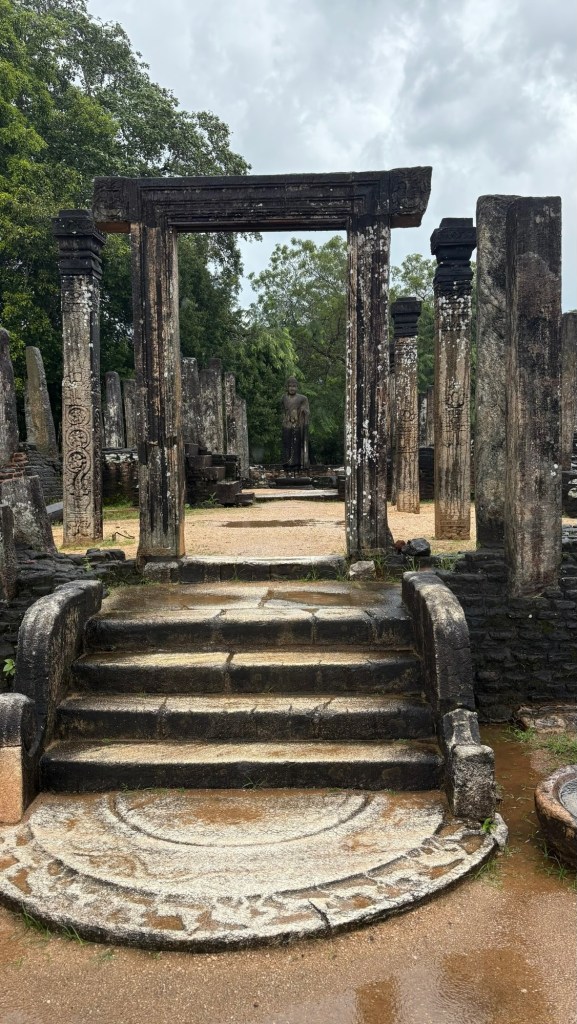
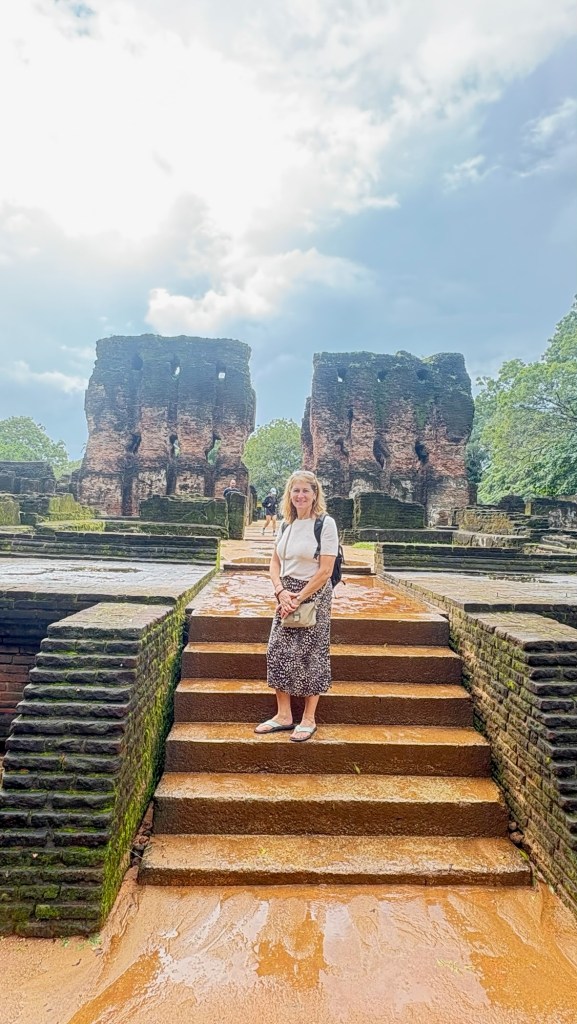
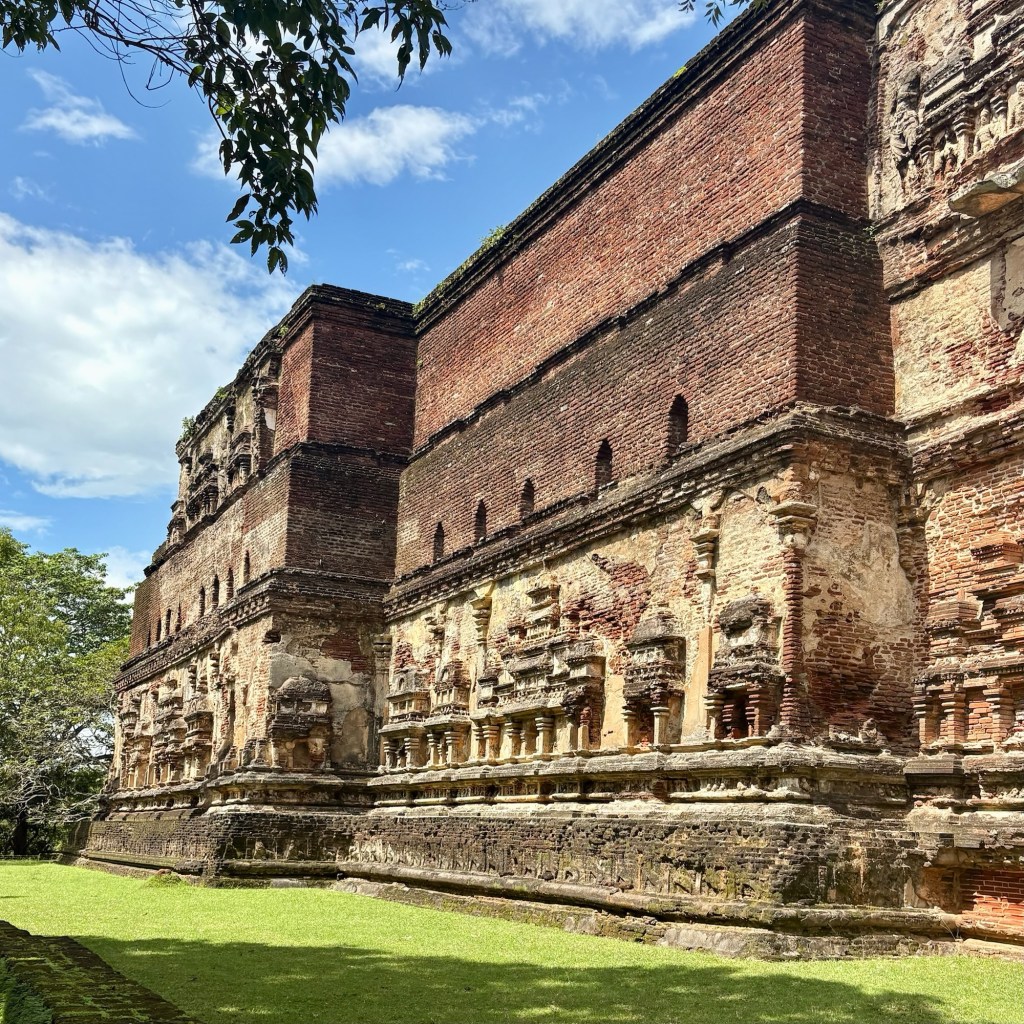
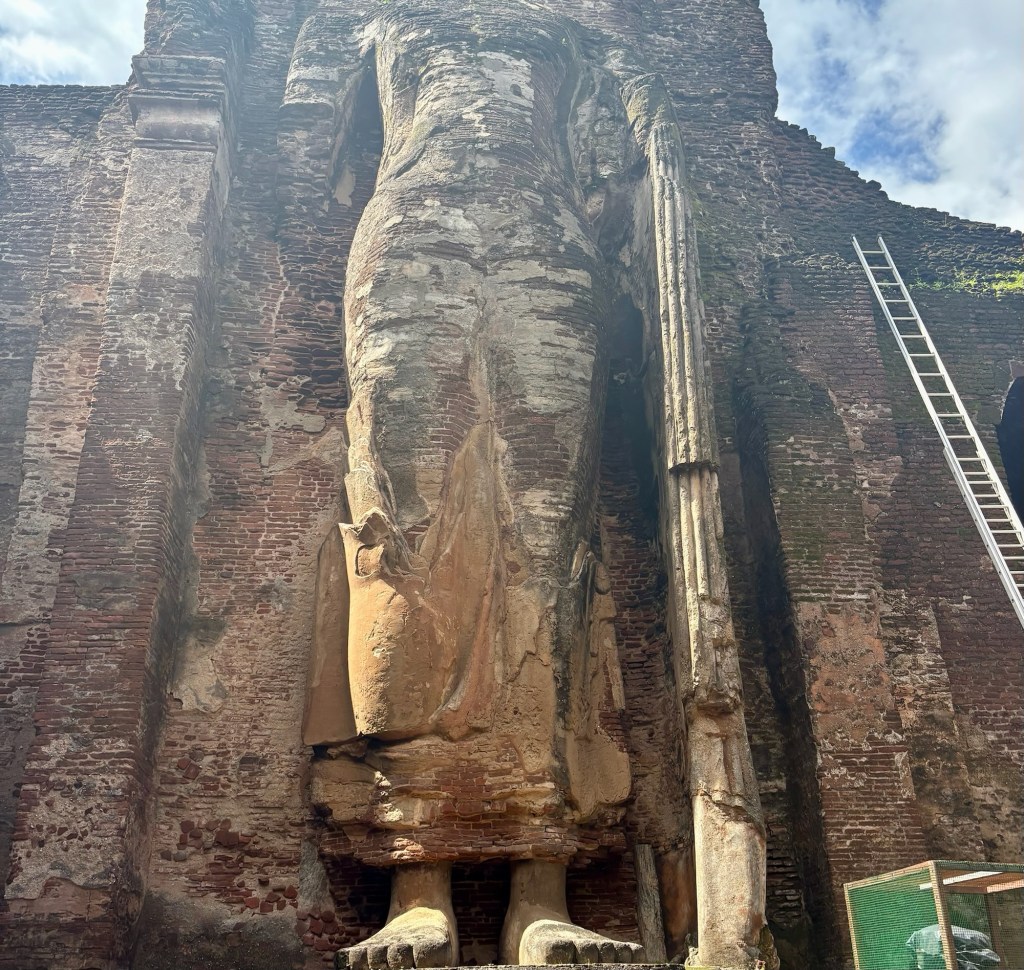
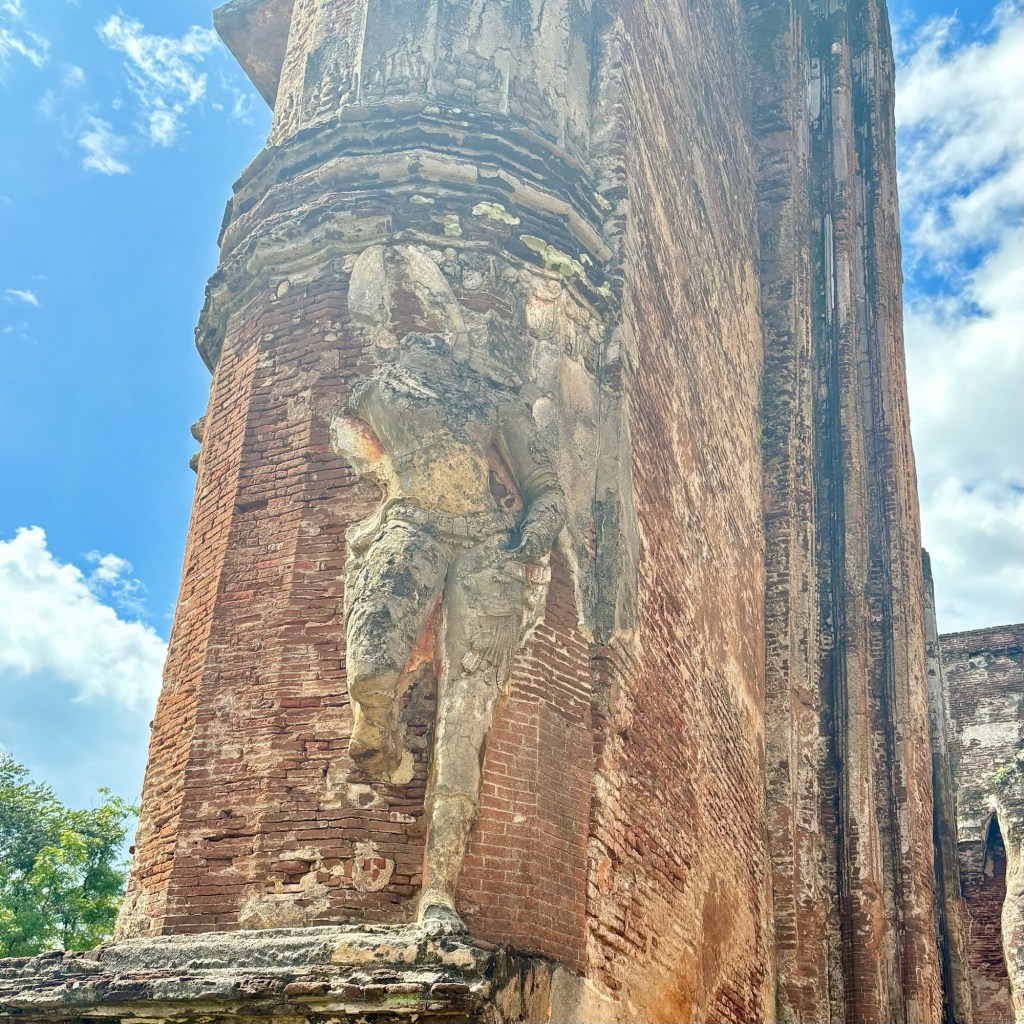
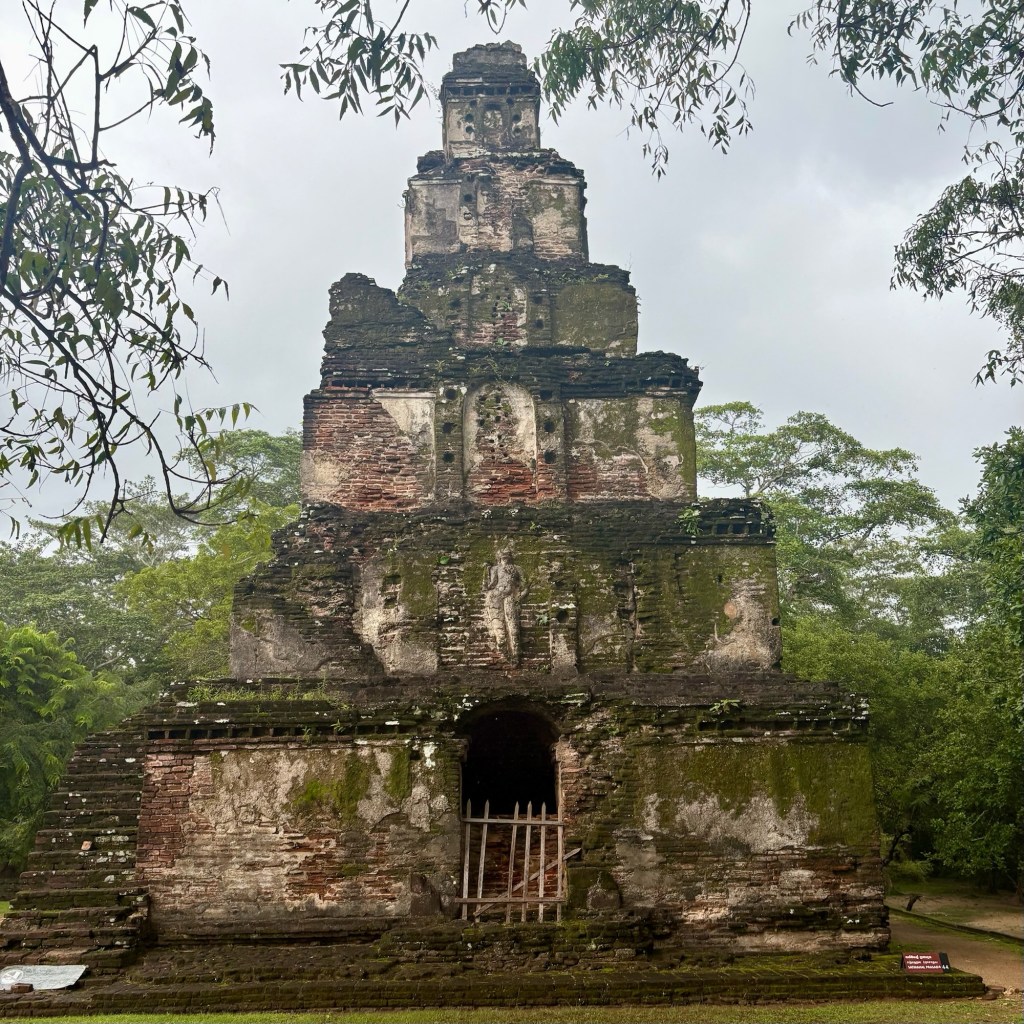
This ancient city has some of the best examples of image shrines, stupas, hospital houses and ponds. The city is spread out over an orderly and easily navigable site with a fantastic informative museum. What is noticable is that most of the buildings and the Buddha statues are constructed of bricks.
The city was abandoned in the 14th century and was lost to the jungle until the latter part of the 19th century when rediscovered by scholars and architects.
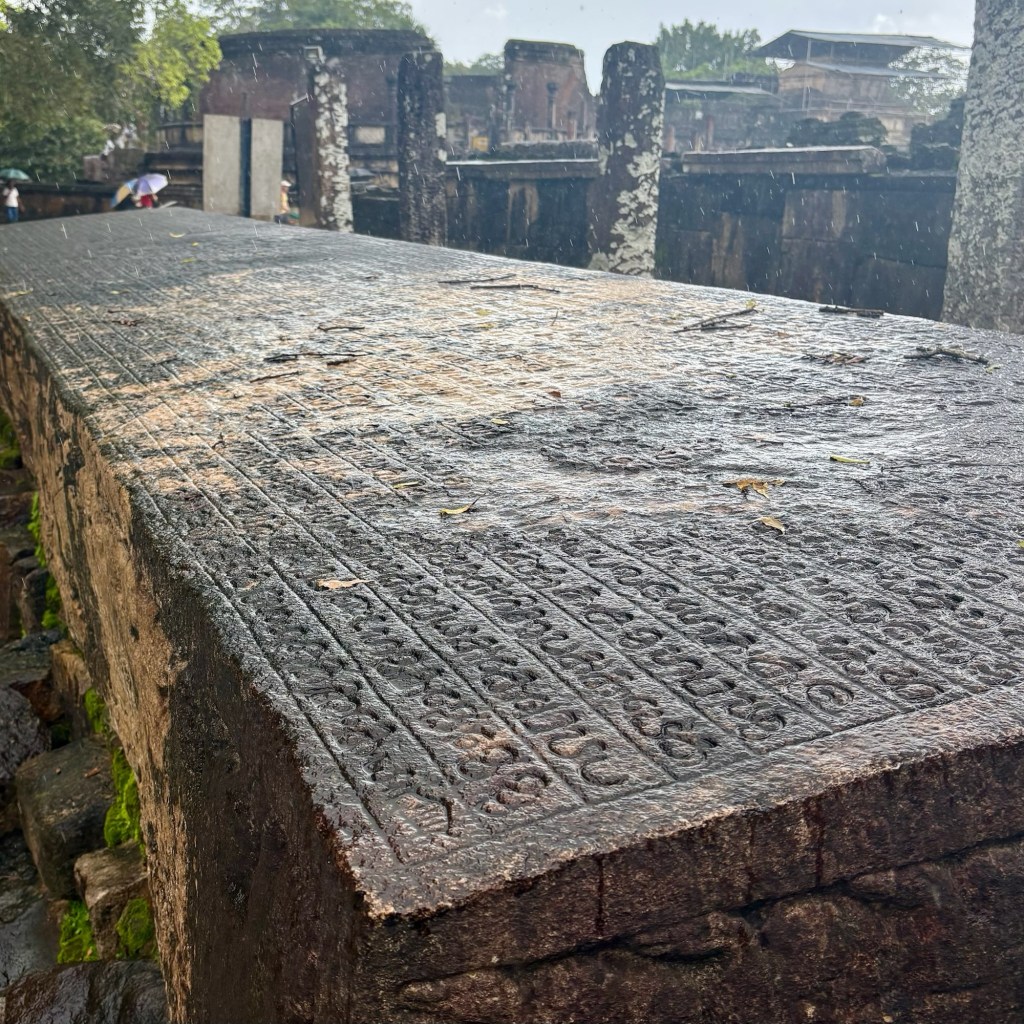
This stone book inscription is 613cm long and apparently contains particulars of the king’s wars with south India. it is considered an important resource for understanding how the Sinhalese alphabet evolved.
Very impressive.

 Phil and Carolynn's travel adventures
Leave a reply to Roberta Watts Cancel reply