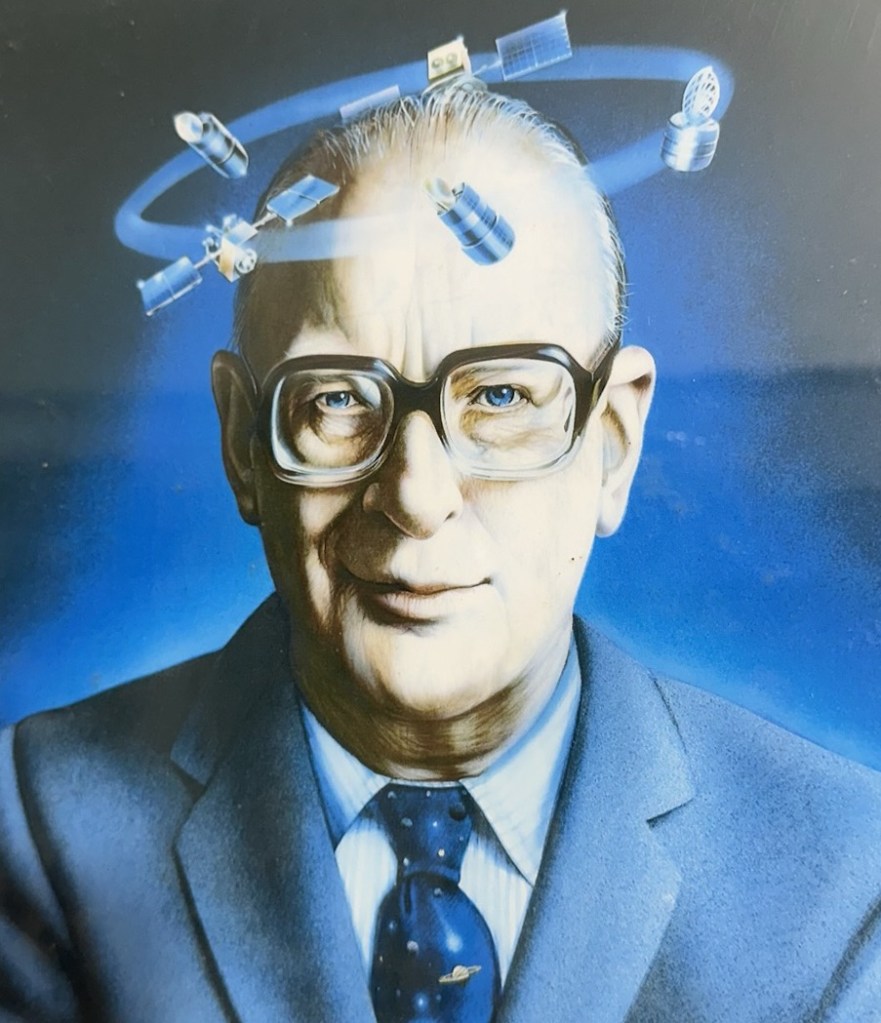
Space exploration has been an interest of mine since my earliest memories. Even now, when I look up at the stars and see those twinkling lights I still imagine the planets circling them and what might be there. Thinking back to when it was that this passion first formed, there was a particular event that keeps coming to the forefront of my mind.
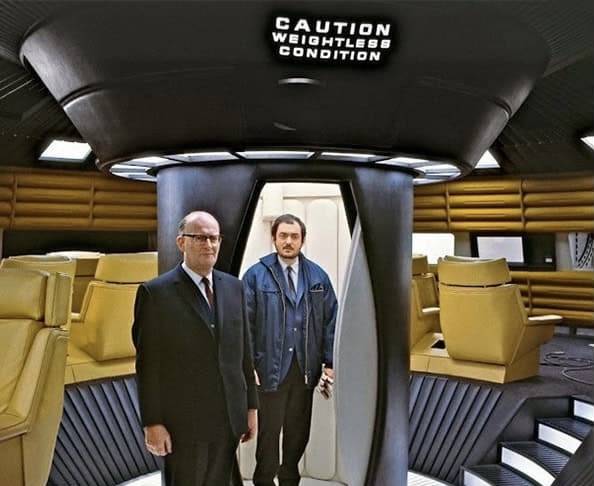
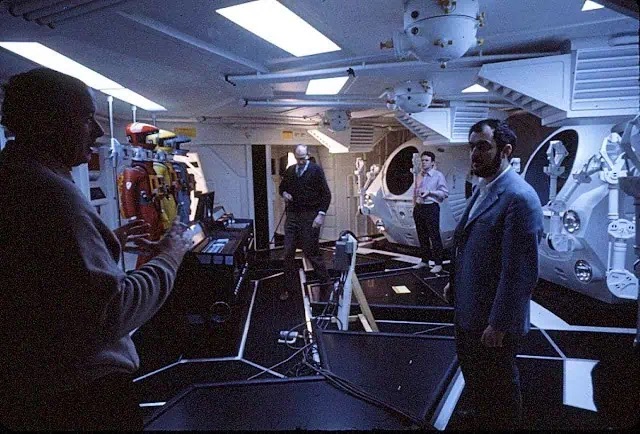
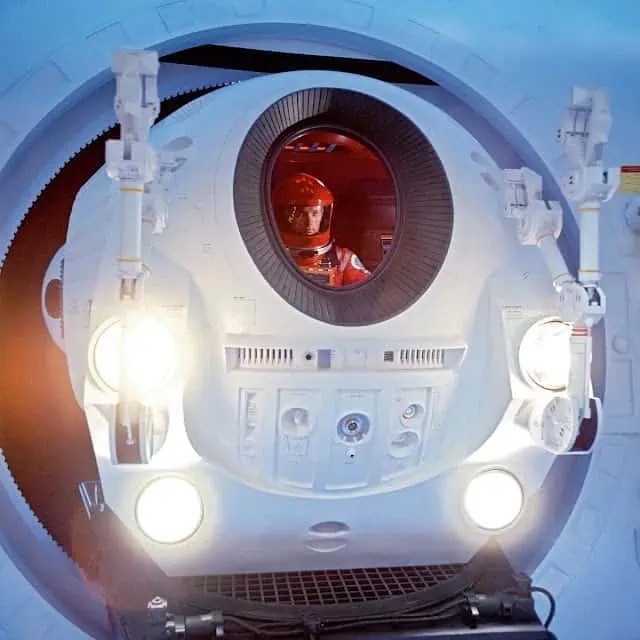
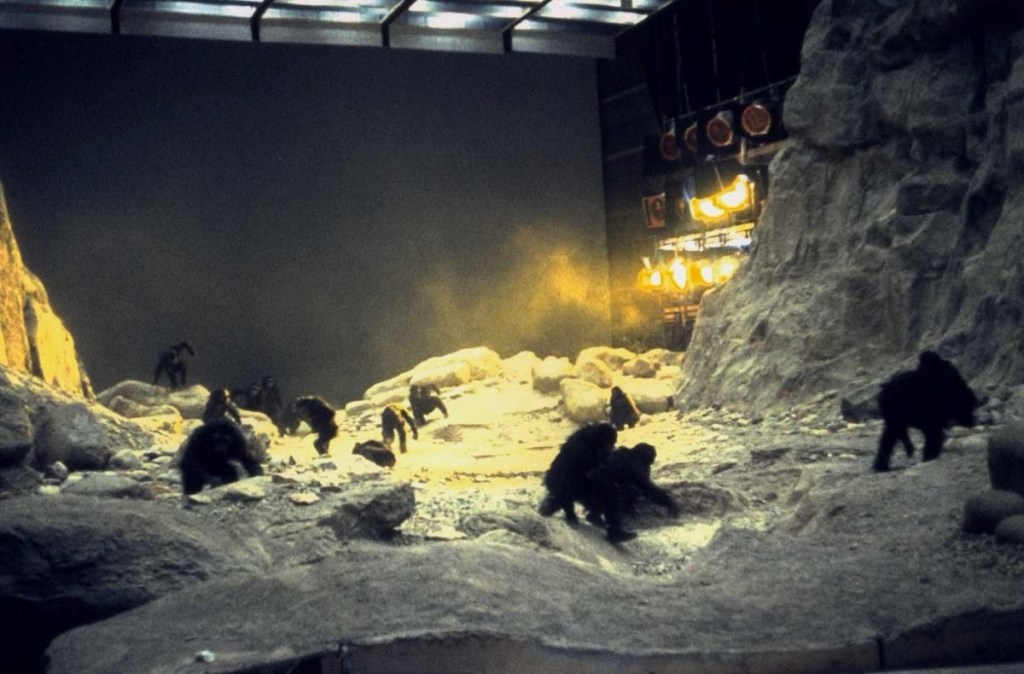
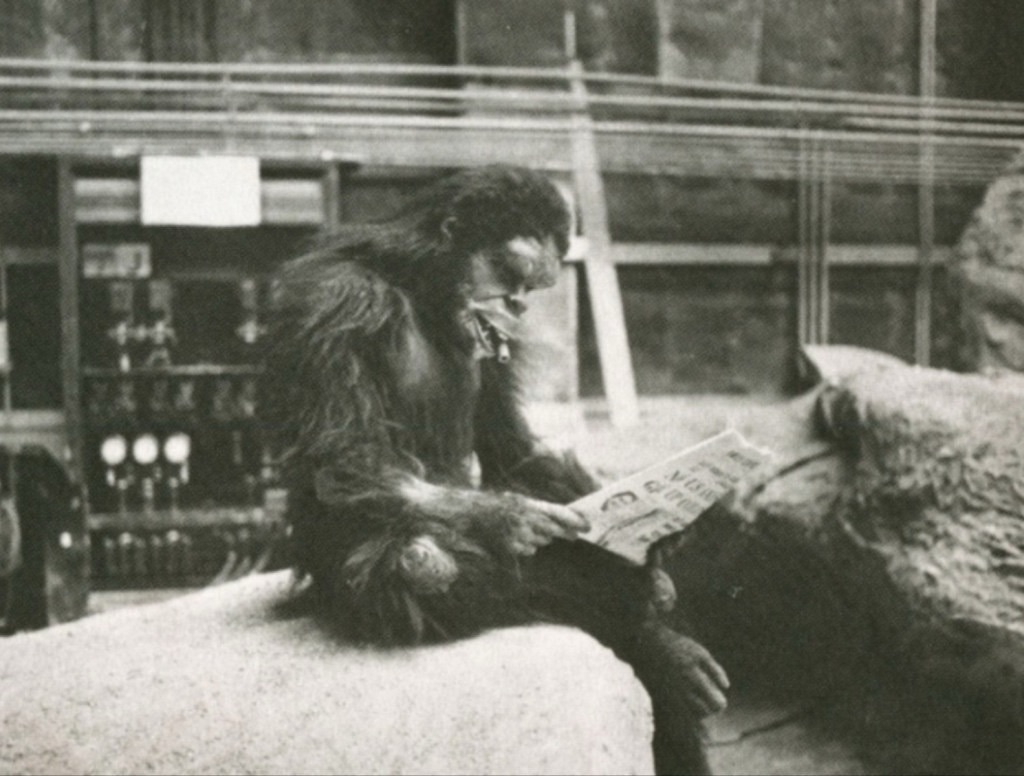
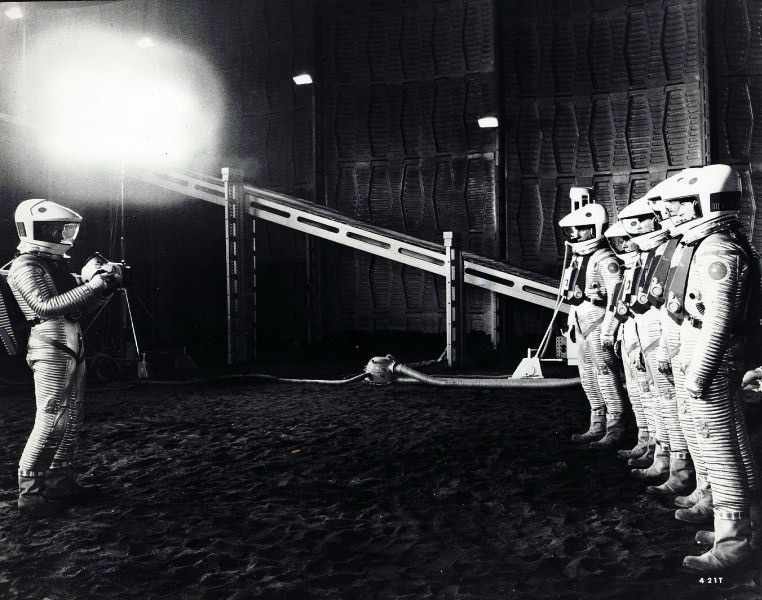
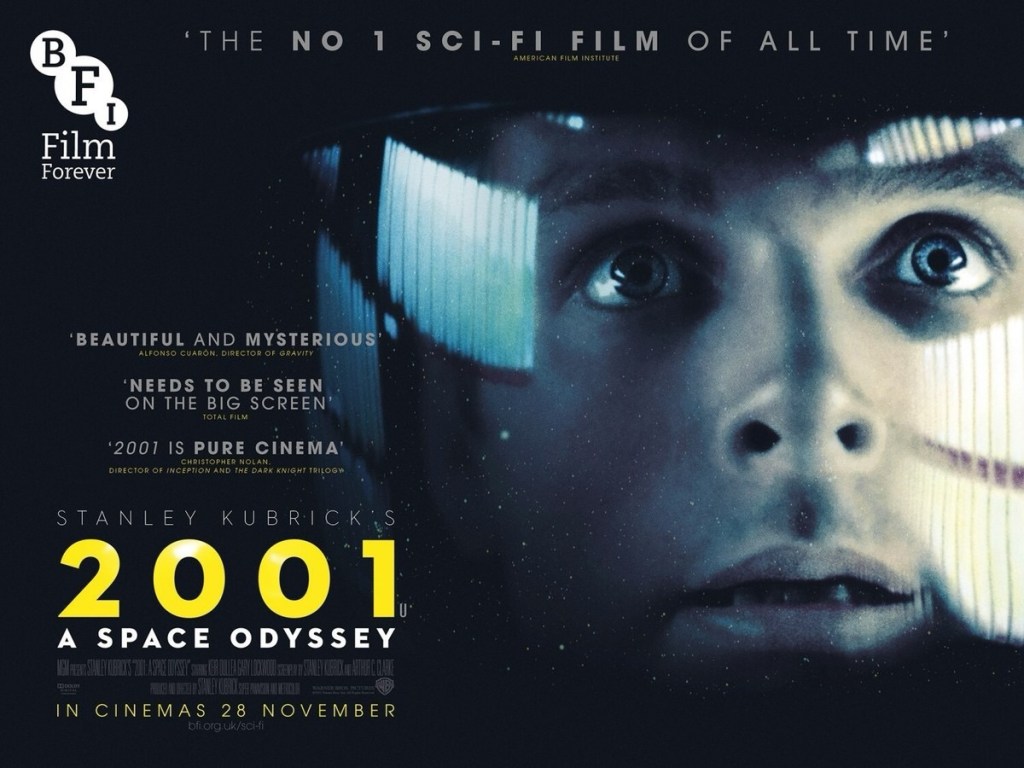
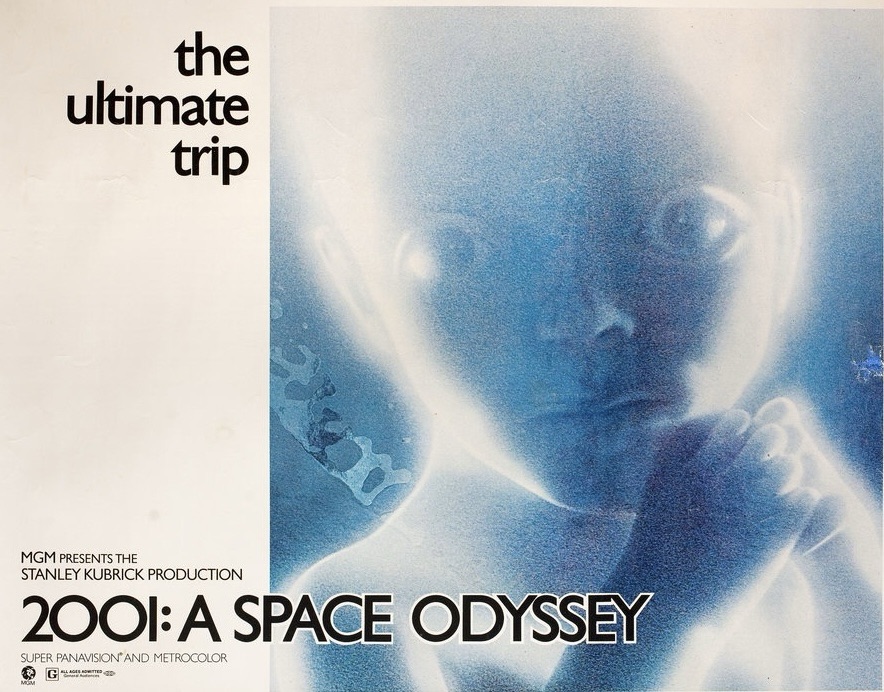
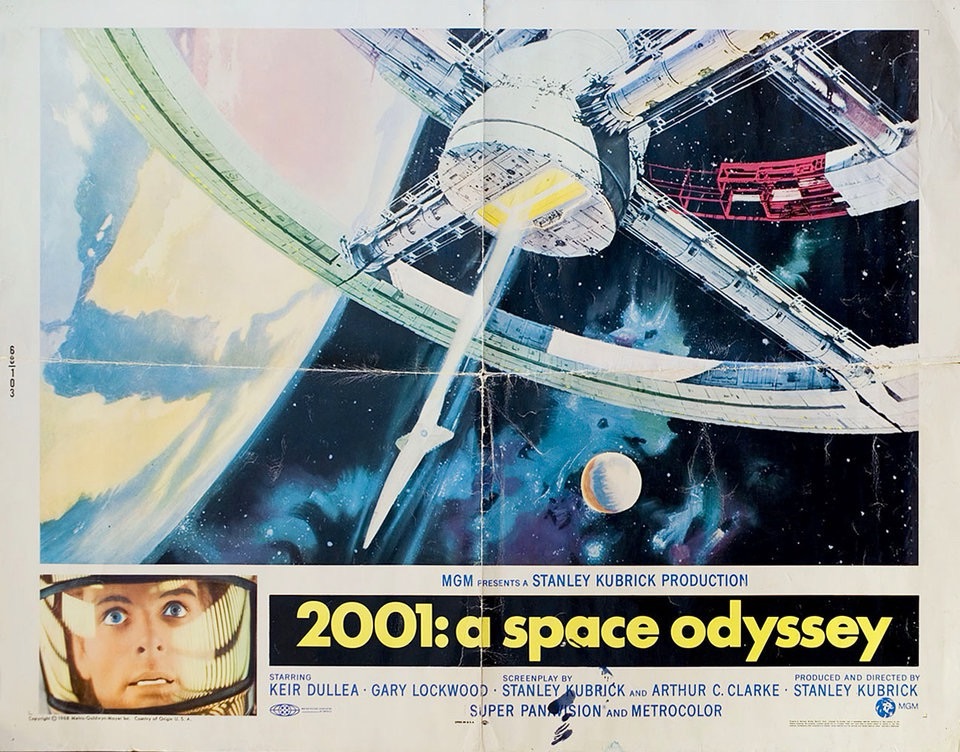
The seminole film “2001, a Space Odyssey” was released in 1968. I remember the day my mother took me to see it when I was just seven years old. This movie was a big deal at the time and is relevant today. It was probably the first film ever to wrestle with the question of computer sentience, or AI as people refer to it now. Sir Arthur’s novel of the same name was released to coincide with the film. Here are some historical images of Sir Arthur with the Director Stanley Kubrick.
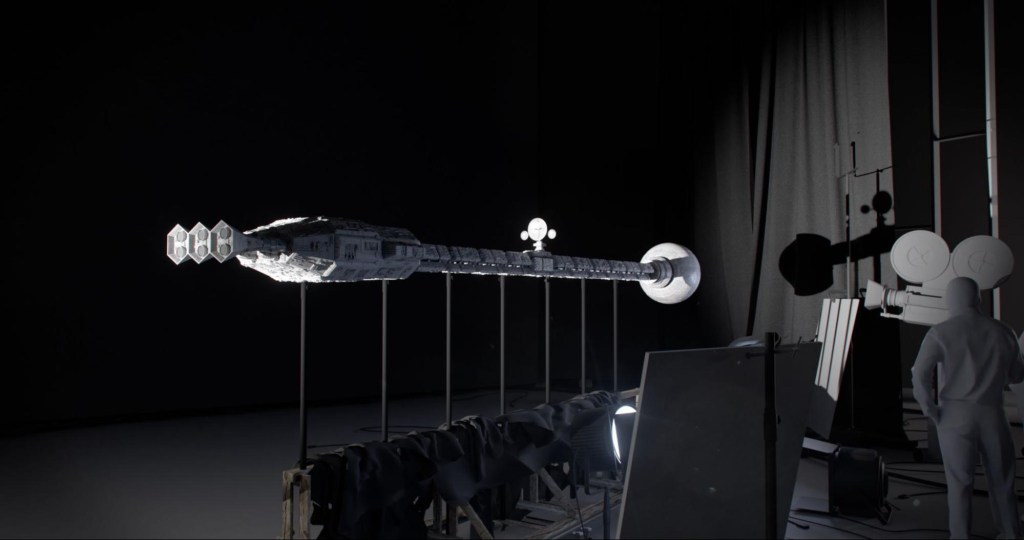
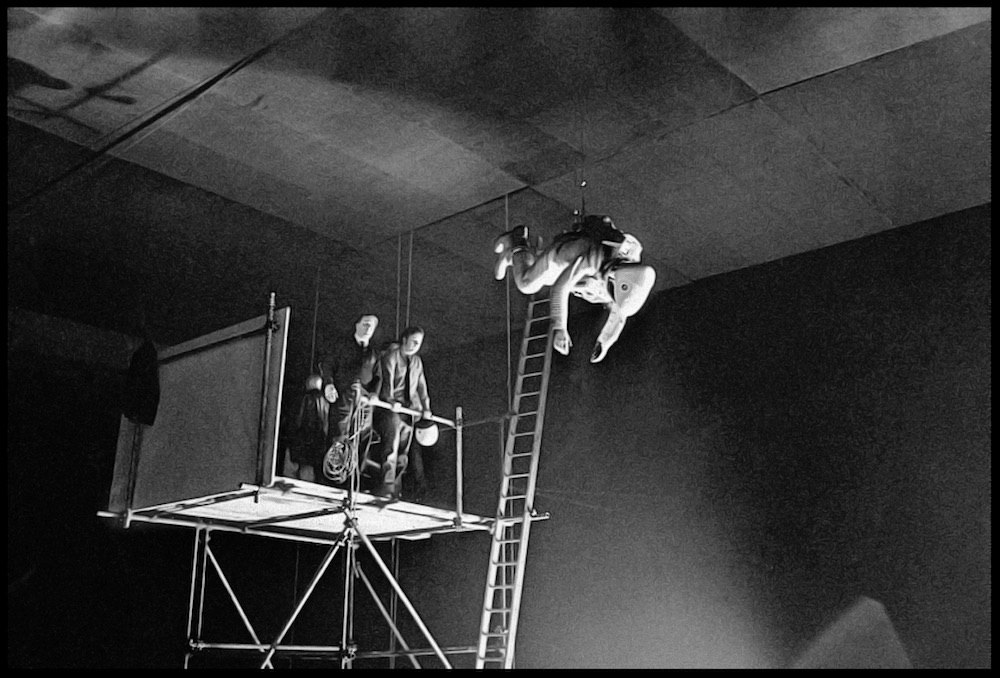
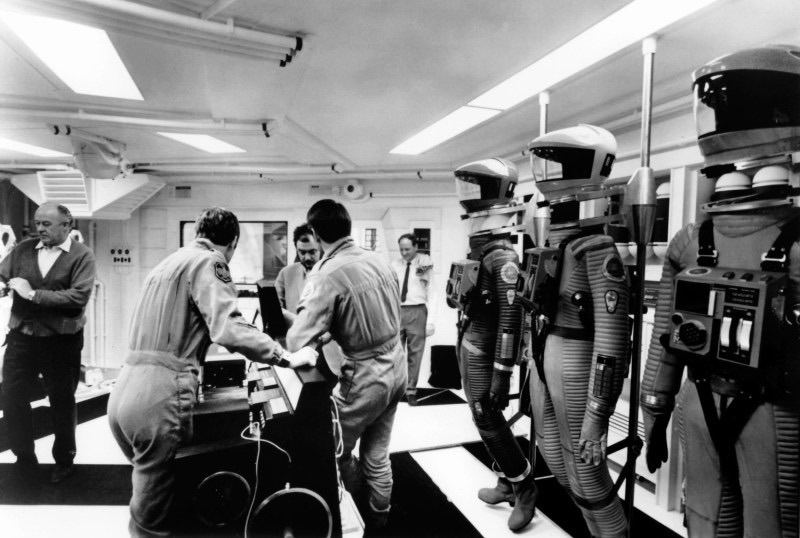
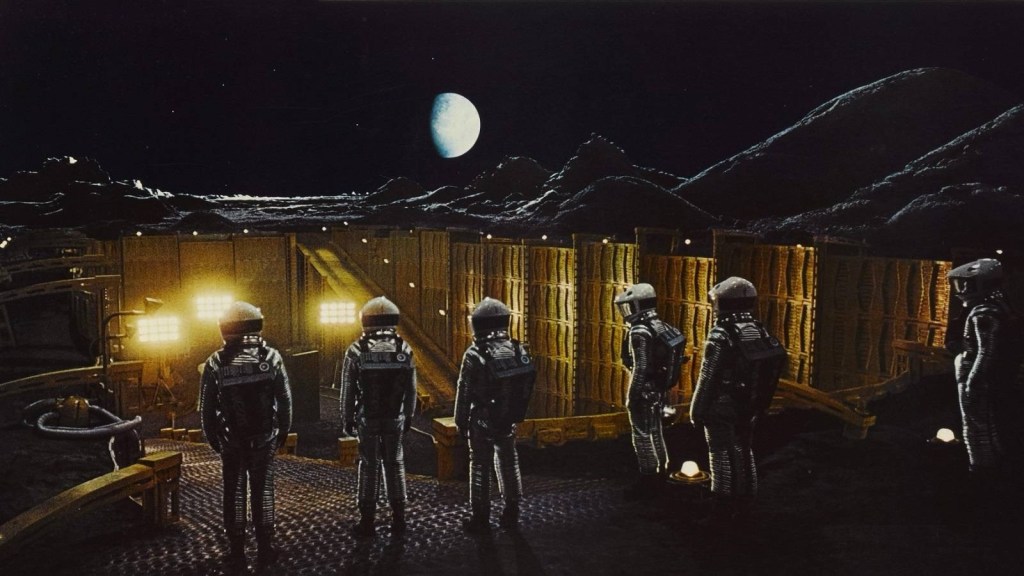
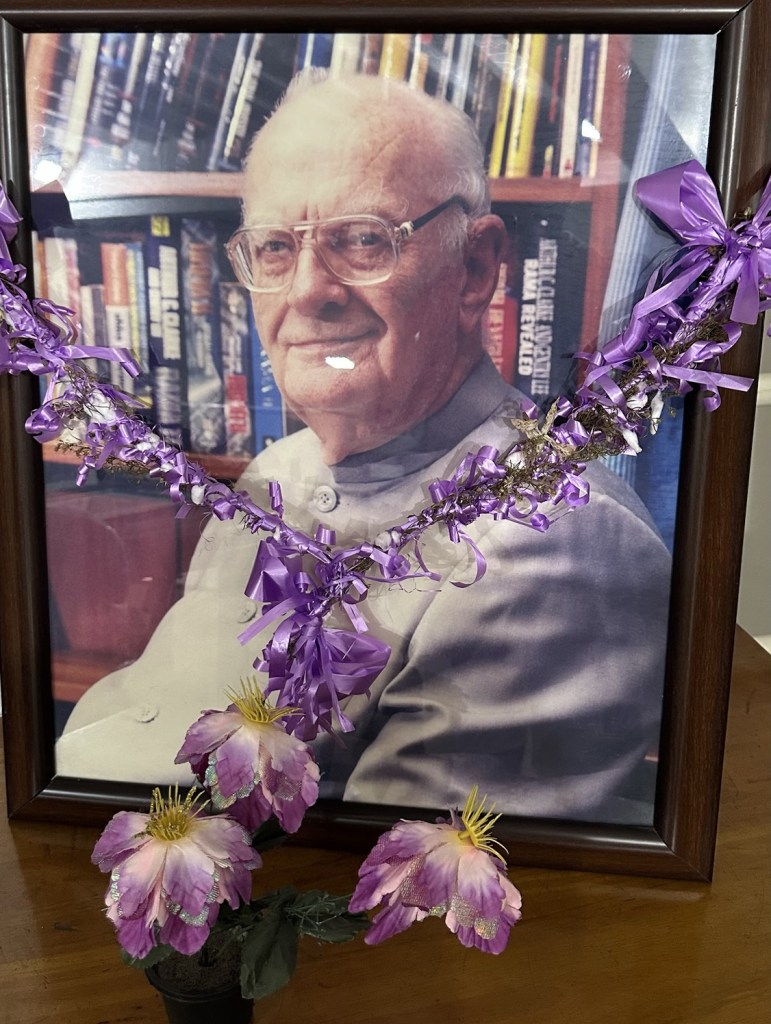
While in Columbo we had the pleasure of visiting the Arthur C. Clarke Institute for Modern Technologies (ACCIMT). This educational research and development institution was established in 1984 to expand and carry forward the work of its founder, Sir Arthur C. Clarke who was born in 1917 in England and moved to Sri Lanka in 1956 where he lived until his death in 2008.
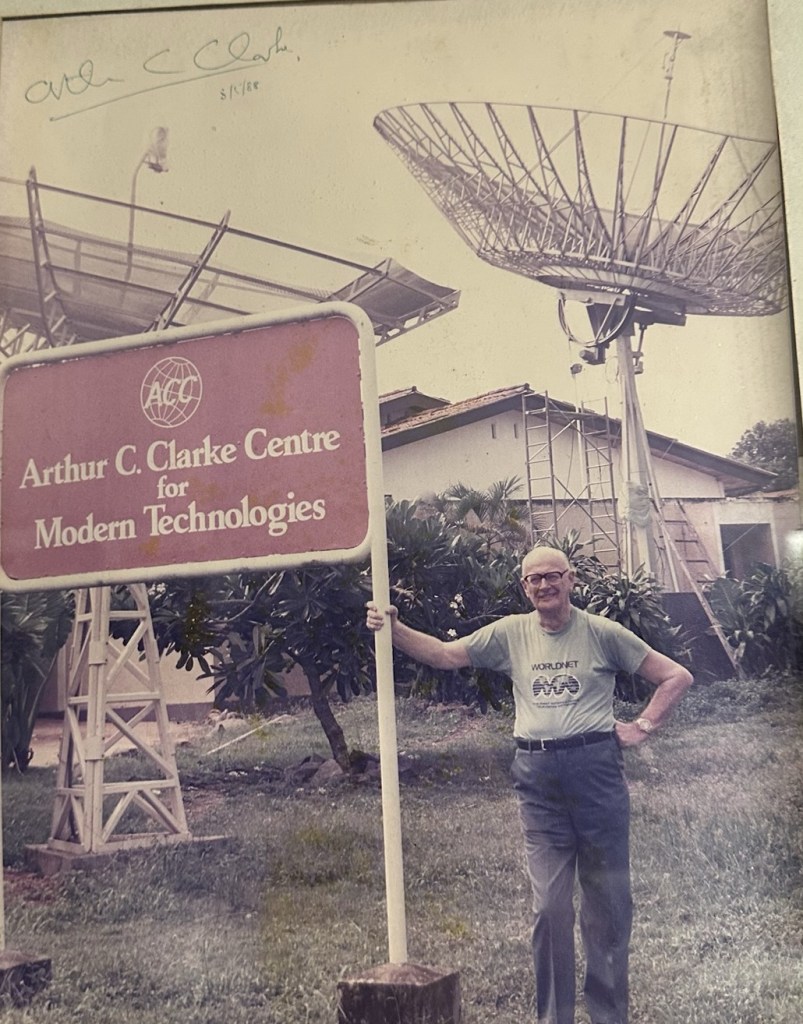
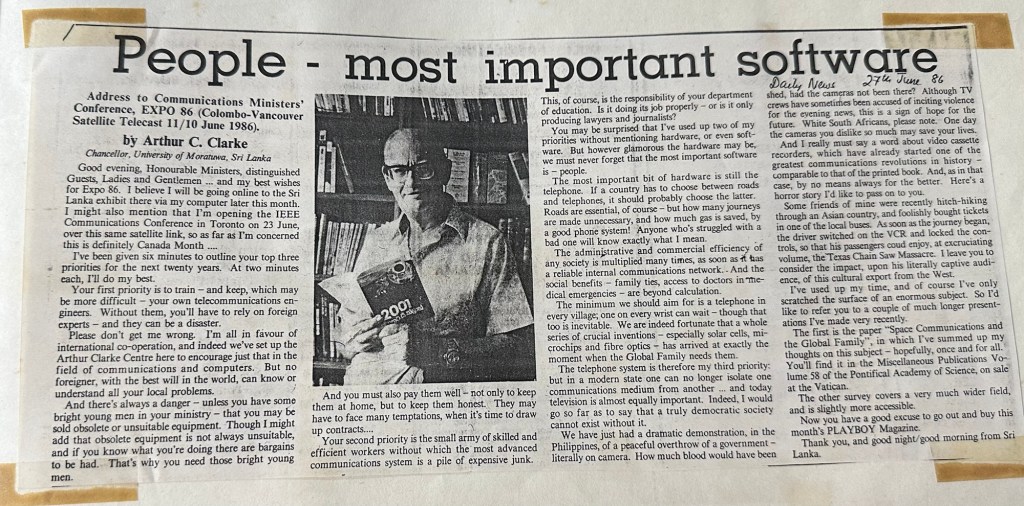
Sir Arthur was renowned for his foresight having made numerous accurate predictions about technology and society. His most famous came in 1945, when he proposed geostationary satellites in a paper that described them as “extra-terrestrial relays” for global radio coverage, which later enabled modern communications, GPS, and broadcasting.
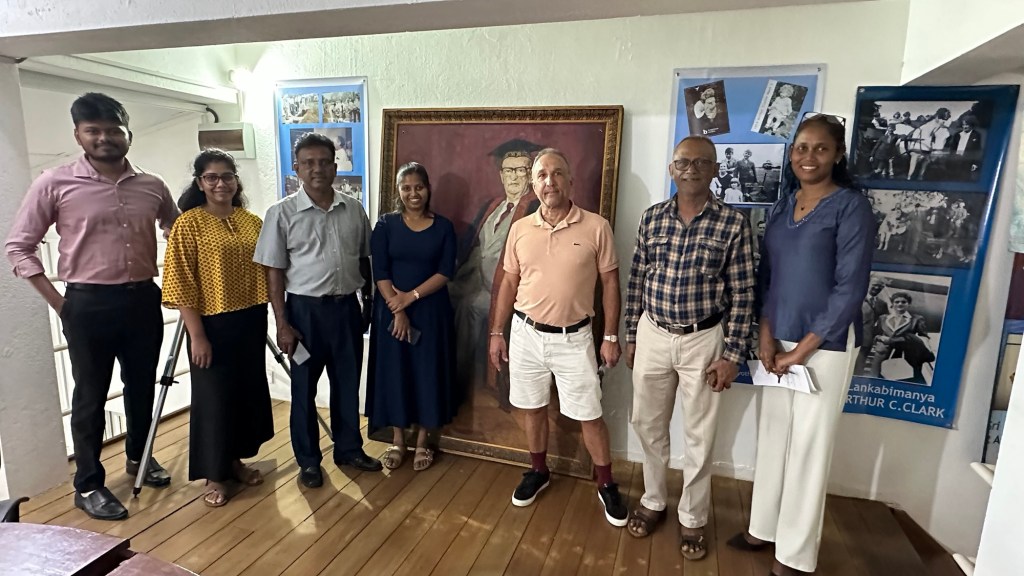
In a 1964 BBC interview, Sir Arthur foresaw instant global contact via satellites, allowing people to connect anywhere without knowing physical locations, essentially predicting the internet and mobile phones. He also anticipated remote work, where executives could operate from places like Tahiti as effectively as from London, and even remote surgery across continents. By the 1970s, he predicted home computers handling daily tasks like banking and reservations, foreseeing online services.
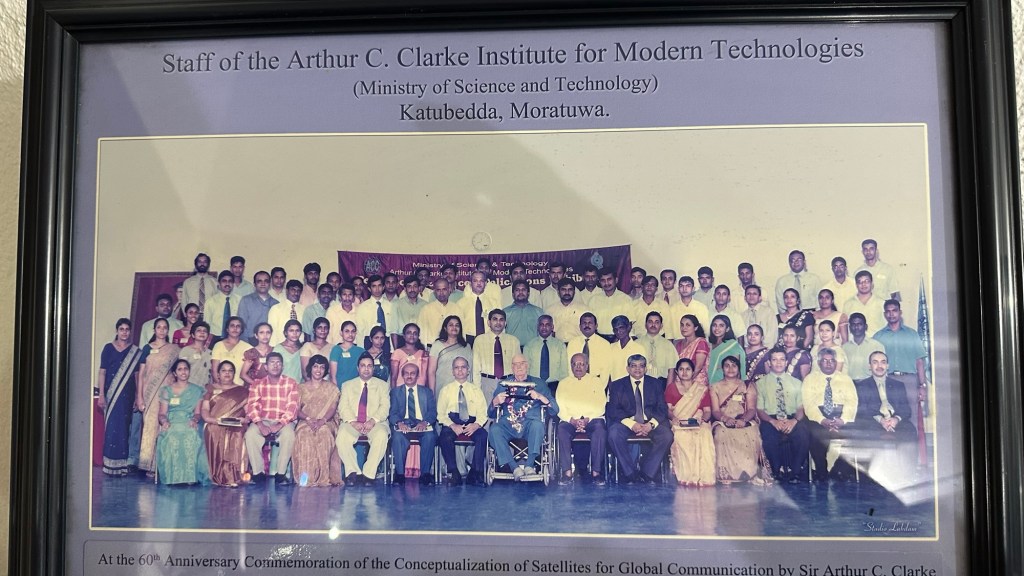
ACCIMT honors the legacy of its founder patron by accelerating the adoption of cutting-edge technologies in fields like communications, electronics, microelectronics, information technology, space applications, robotics, photonics, and new materials. The institute conducts applied research, offers industrial services such as testing, measurement, and instrument calibration, and provides specialized training programs for professionals. It also promotes future studies and has advanced facilities, including an observatory contributing to discoveries like new exoplanets and solar phenomena. It plays a key role in fostering technological self-reliance and innovation in Sri Lanka, embodying Clarke’s visionary spirit in bridging science fiction with real-world progress.
 Phil and Carolynn's travel adventures
Leave a comment