With our brains bursting with cultural overload, we departed the cultural triangle and headed south on a full day drive to the hills in central south Sri Lanka.
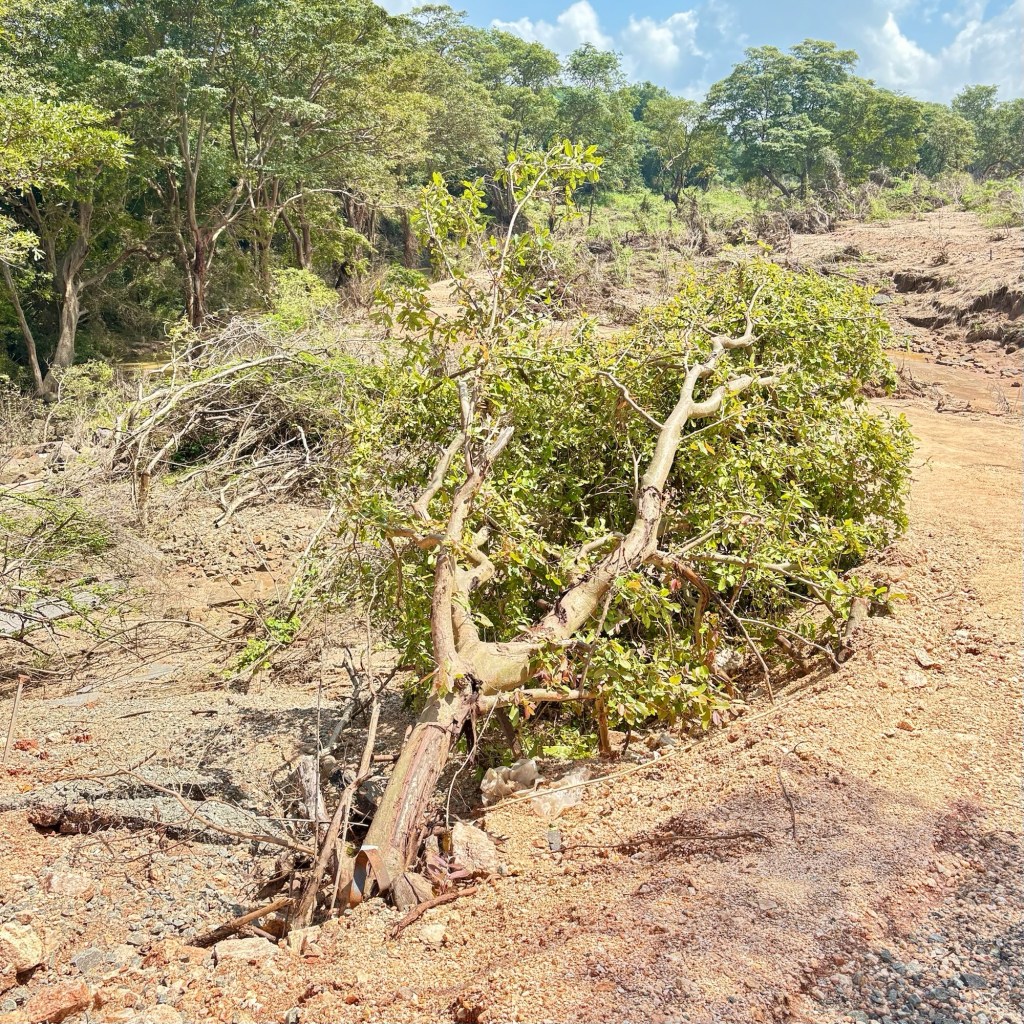
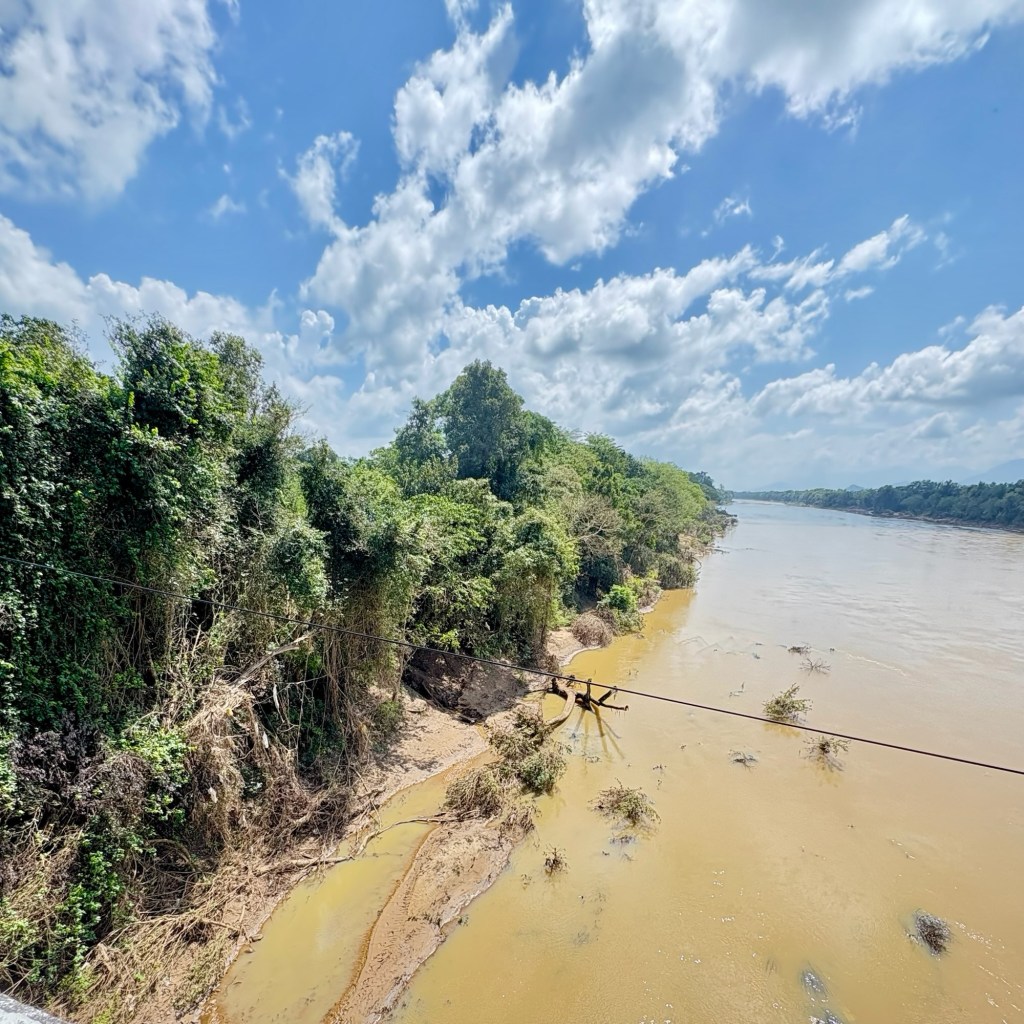
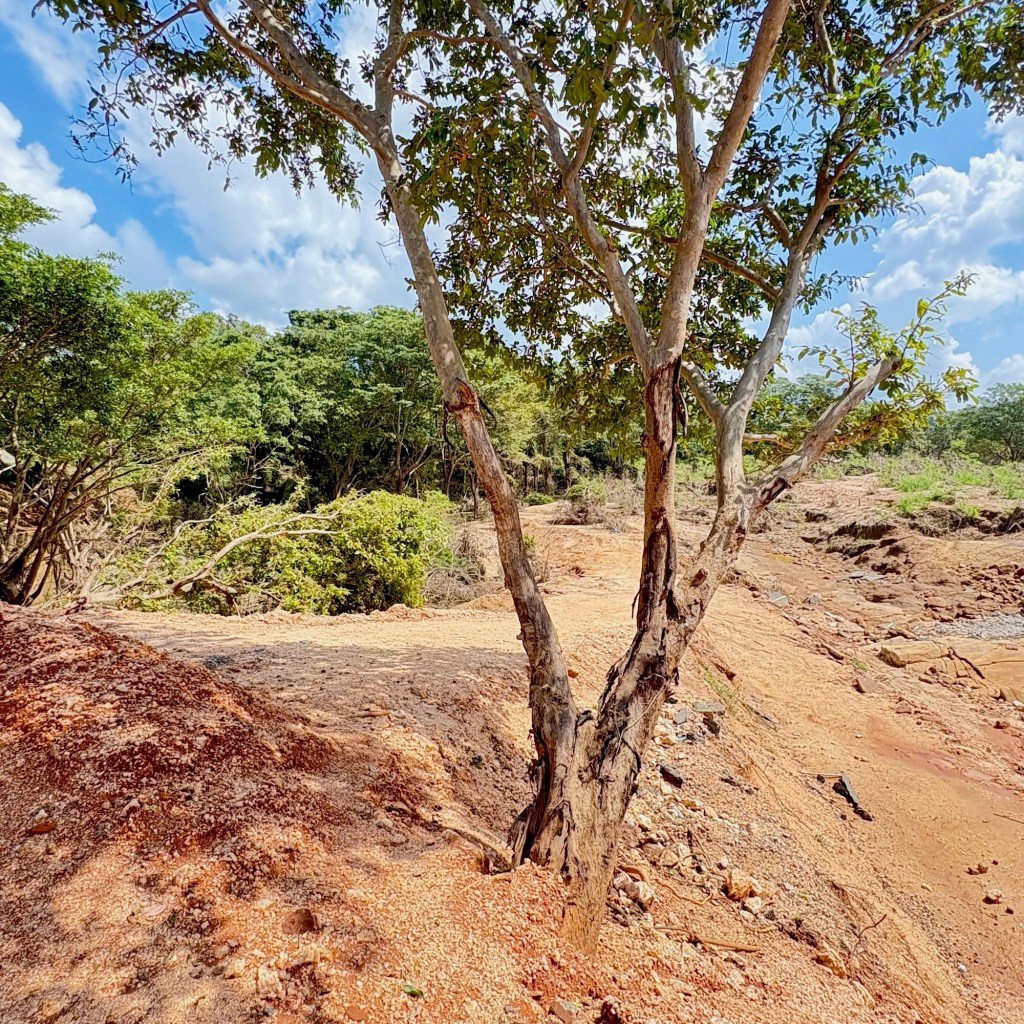
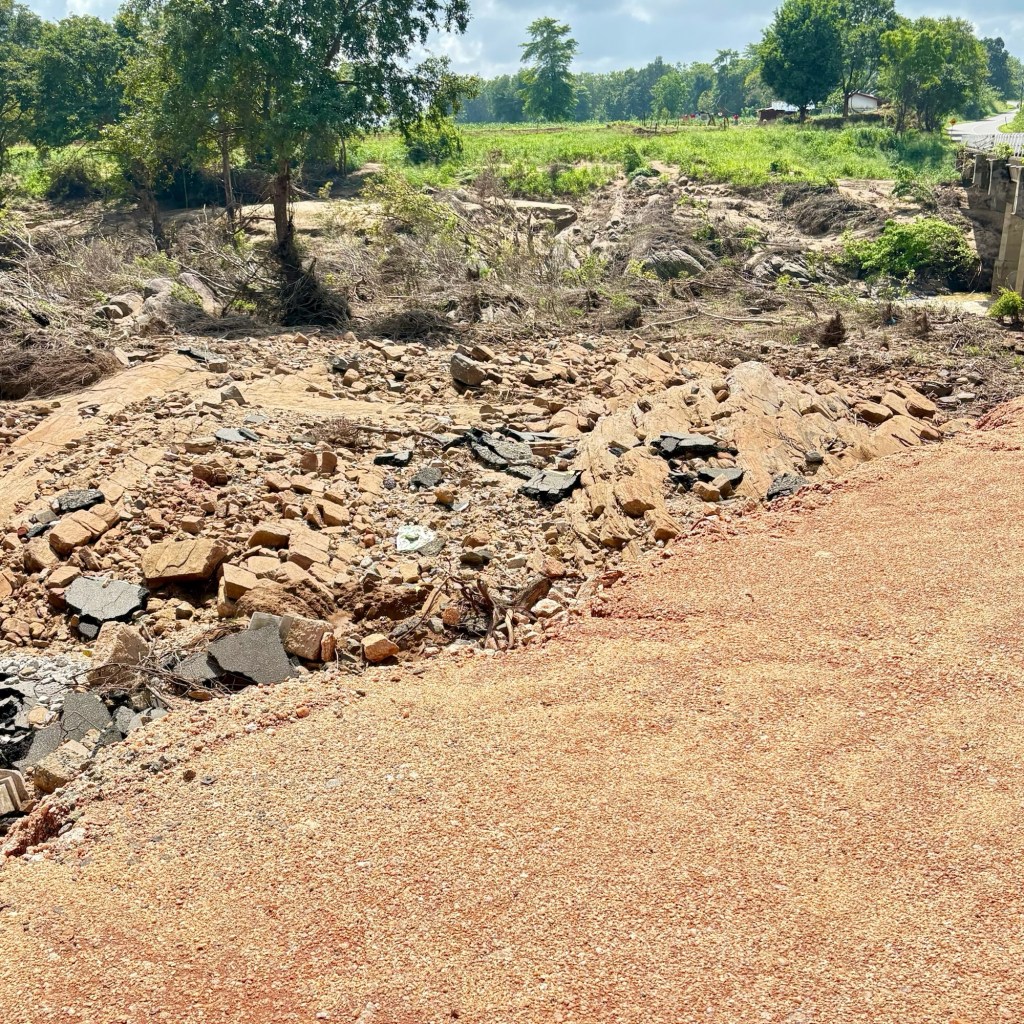
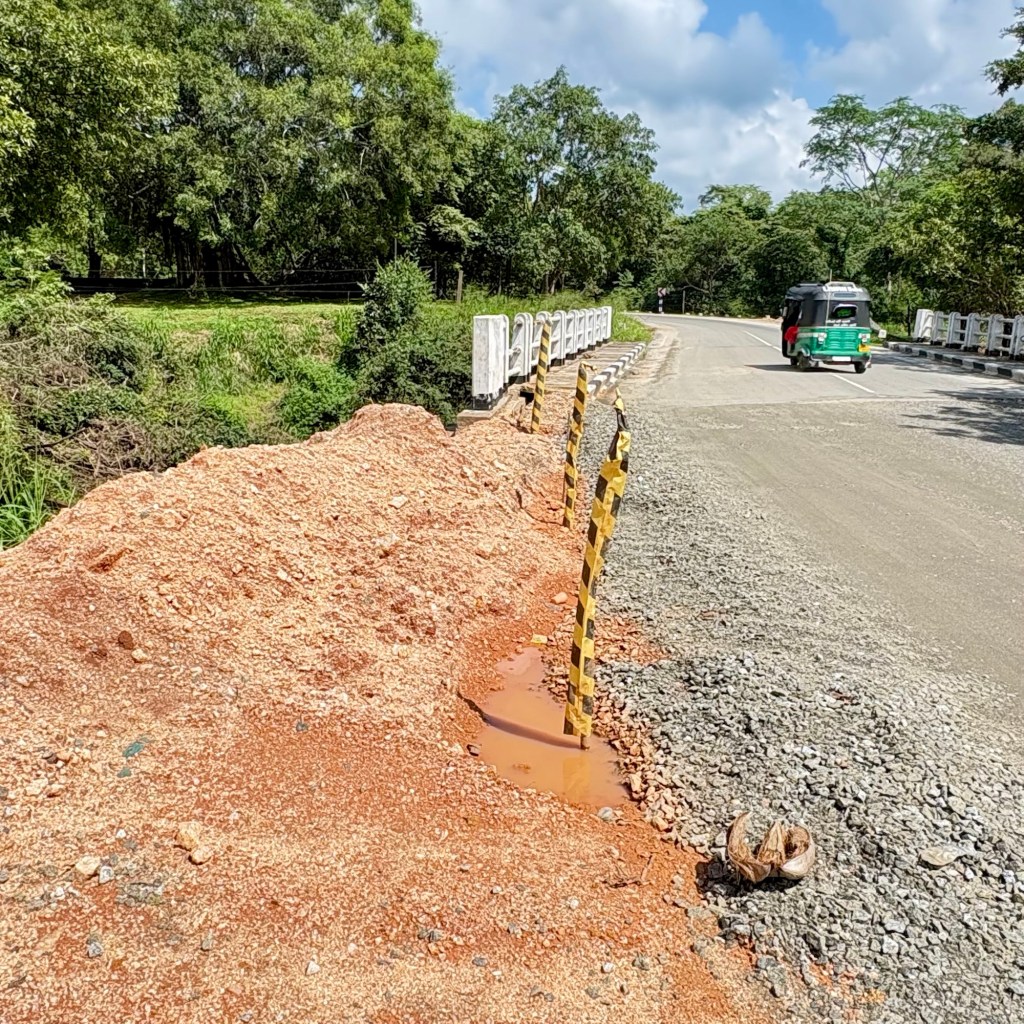
The journey is also part of the adventure and it was on this expedition we saw some evidence of the damage left by the cyclone that hit in November 2025. The raging water levels must have been frightening. However on the flip side the resilience shown, the community cooperation and the prompt response to rebuilding the infrastructure so necessary to preserve the tourist industry and ensure that the country kept running was impressive.
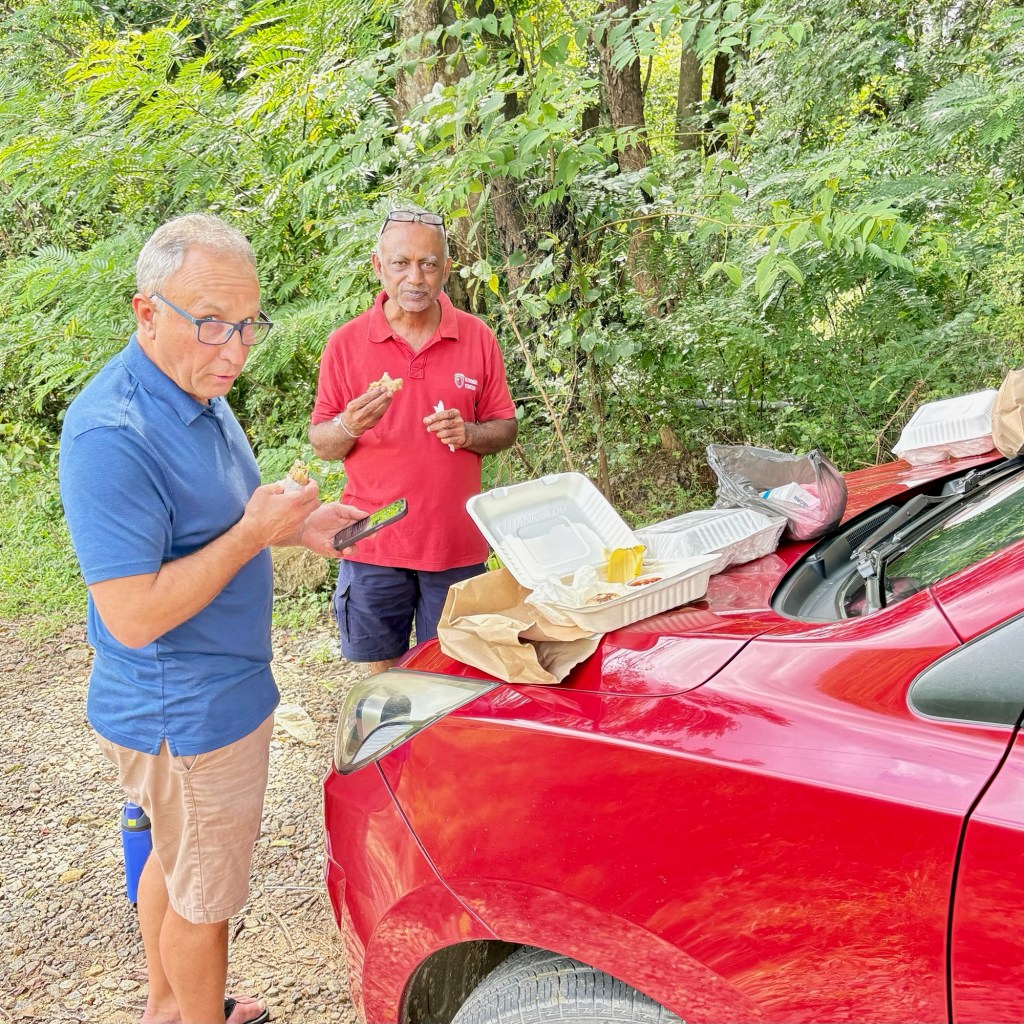
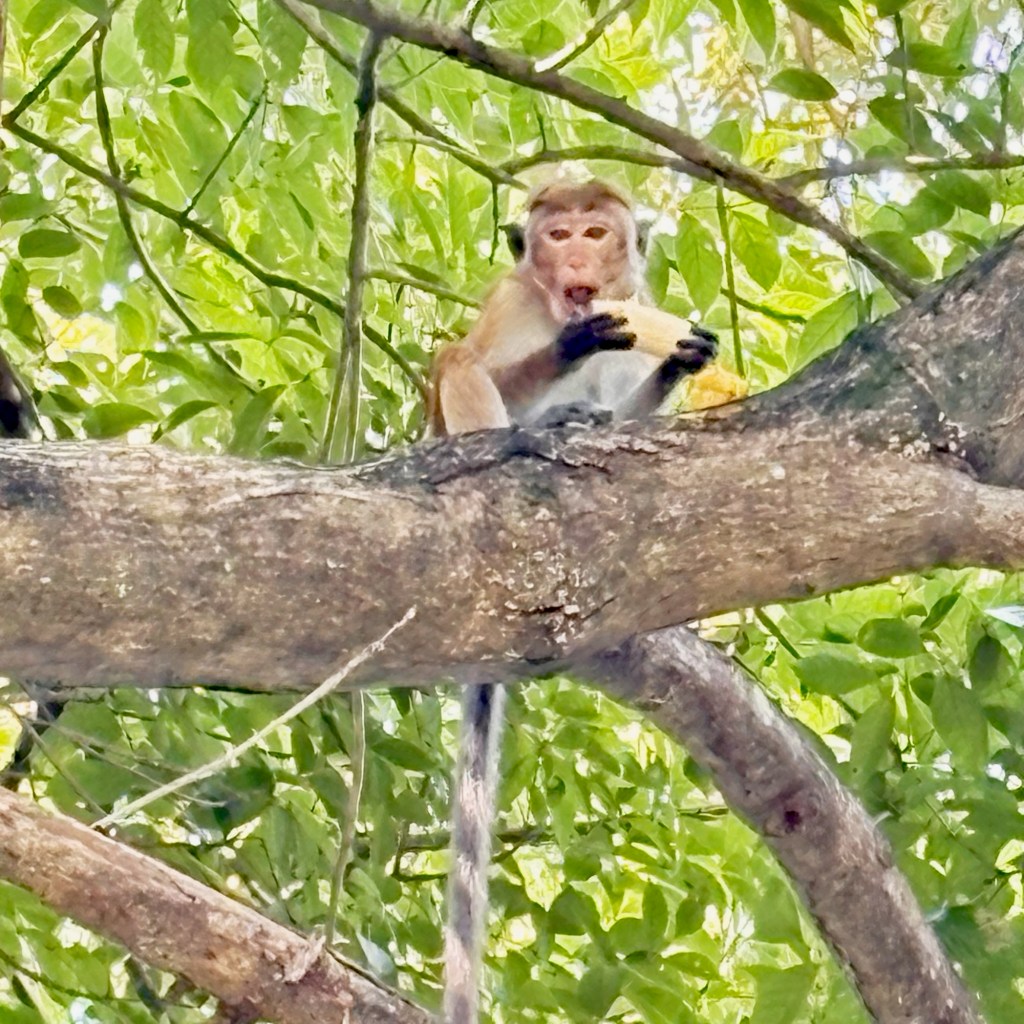
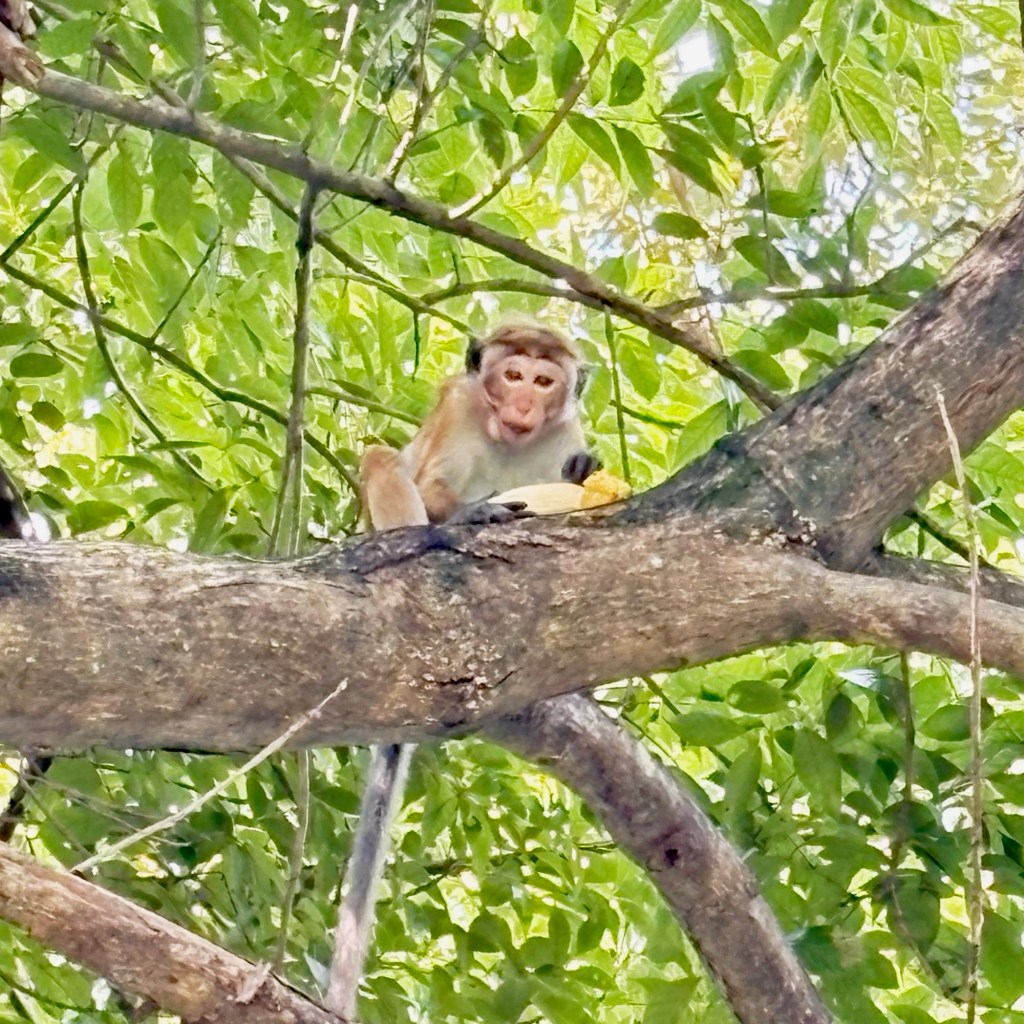
note the broken branches showing how high the river level got.the river burst its banks and created new paths of flowreconstructed road and bridge over the rivera short stop for lunch by the side of the road involved sharing with the local wildlifethanks for the banana – yum
The journey of 125 miles took approximately 4 hours. it was stunning, beautiful and gave a good view of rural life in Sri Lanka. The scenery of local towns and villages along with paddy fields and people going about their day was visually mesmerising.
We left the lowlands behind and steadily climbed 4000 ft into the subtropical highlands that are home to a rich bio- diversity and tea plantations.
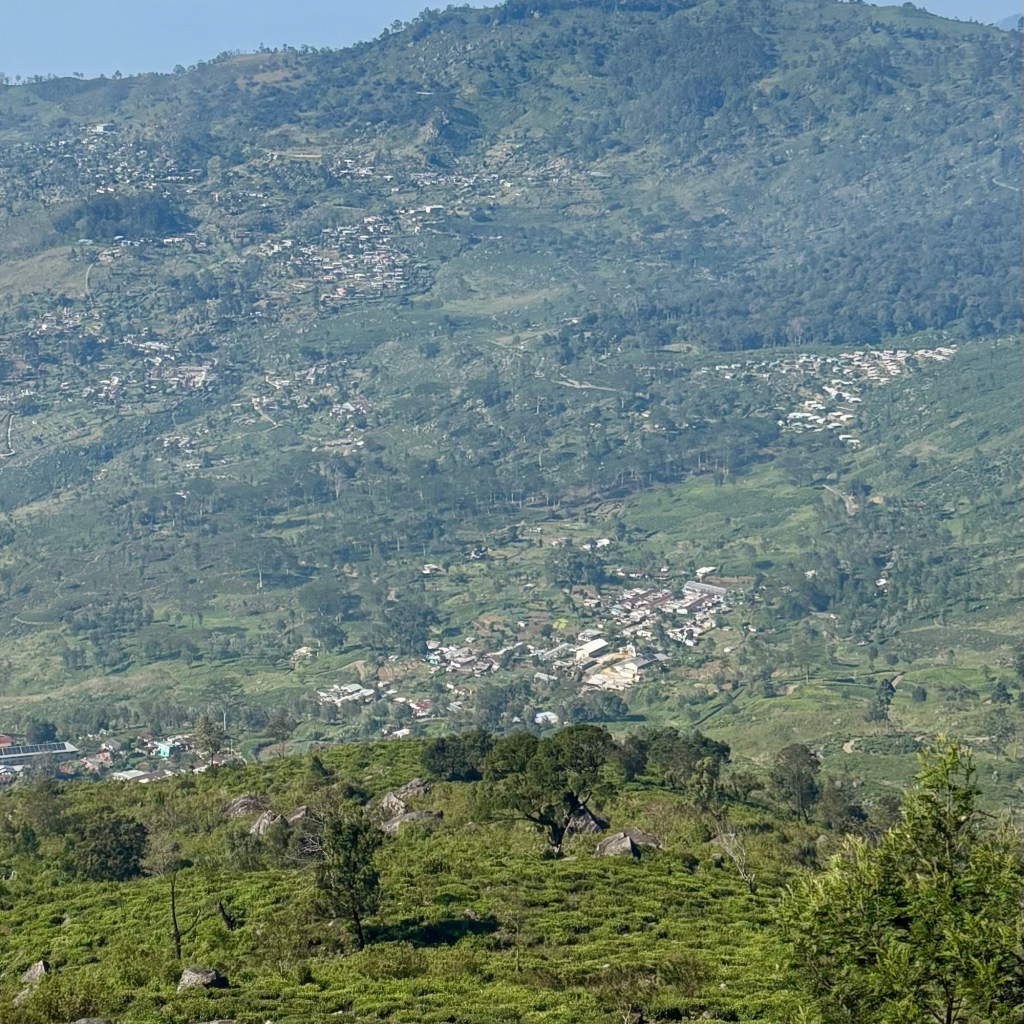
Our base for the next few days was the town of Haputale in Uva province. it is situated on the southern slopes of the central mountain range giving sweeping views across the southern plains of Sri Lanka towards the coast.
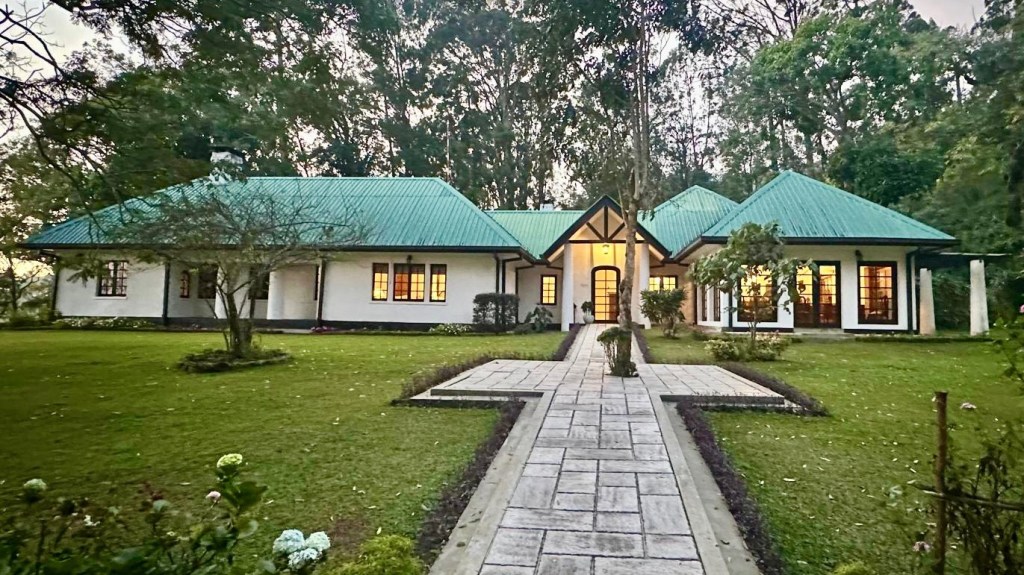
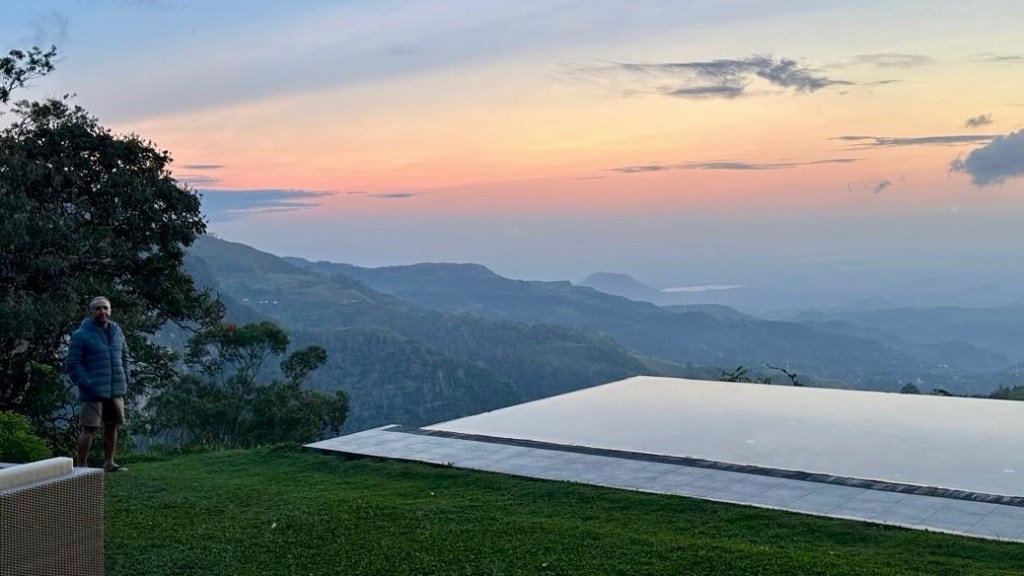
The town of Haputale on the mountain side taken from the ridges above on the well known Dambatenna estate.Our base was the excellent Thotolagala Hotel, a former plantation bungalowPossibly the most awesome view of the trip across the south western plains from the hotel terrace
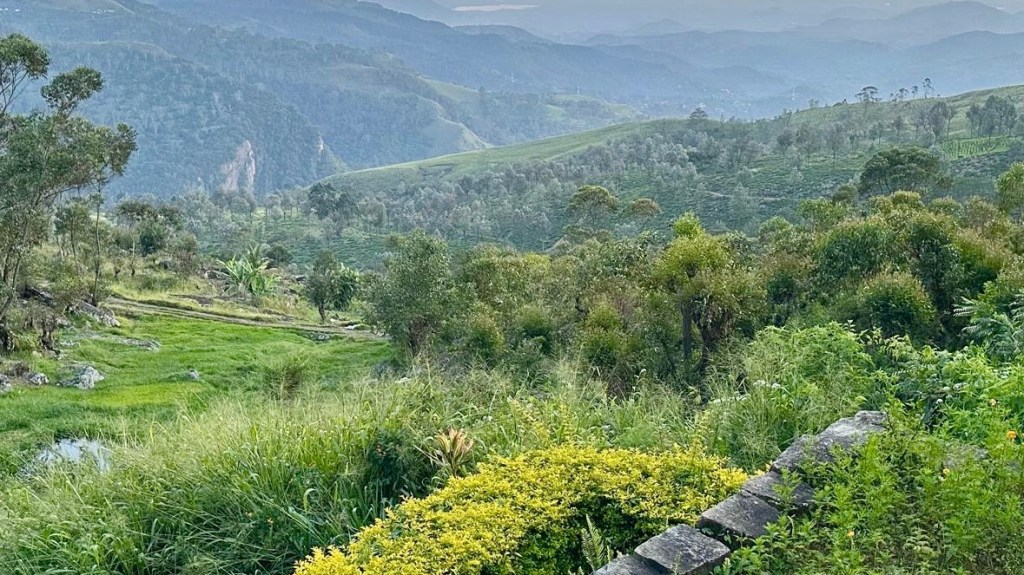
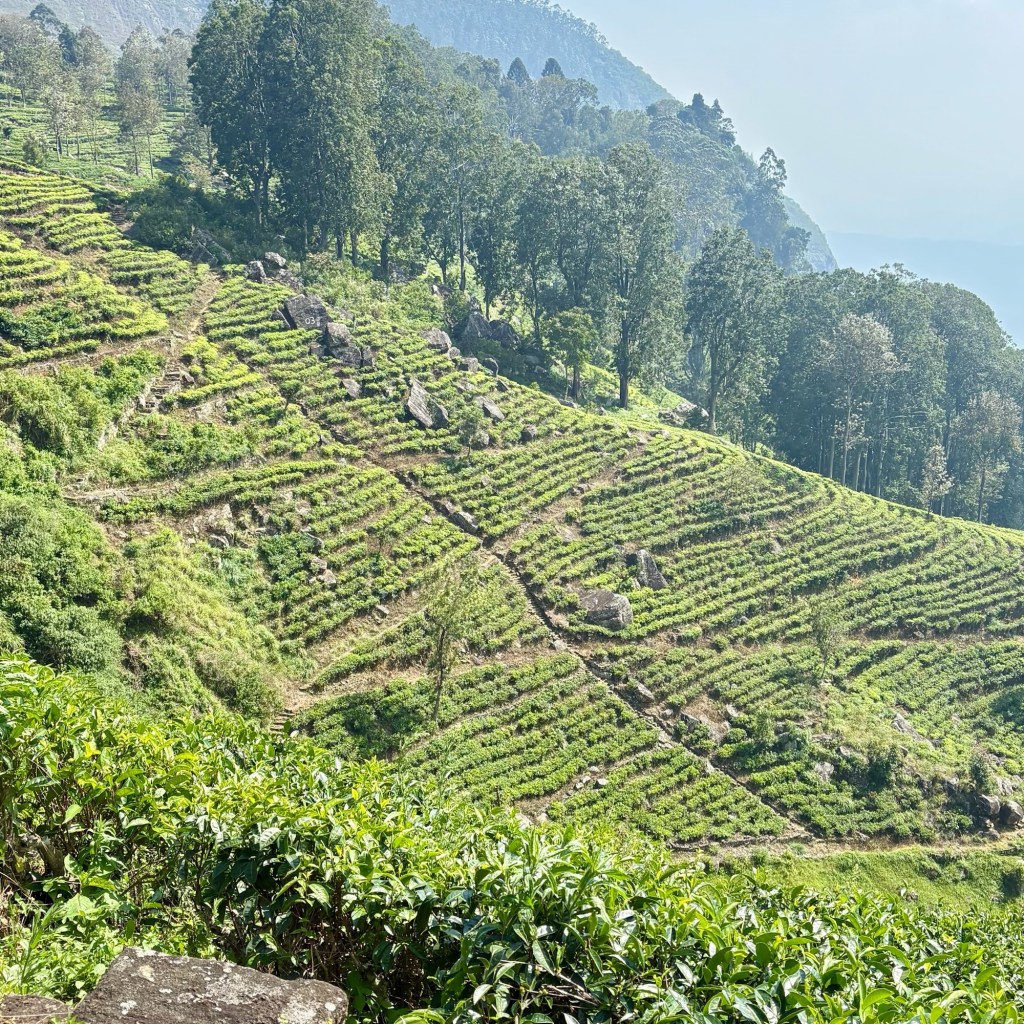
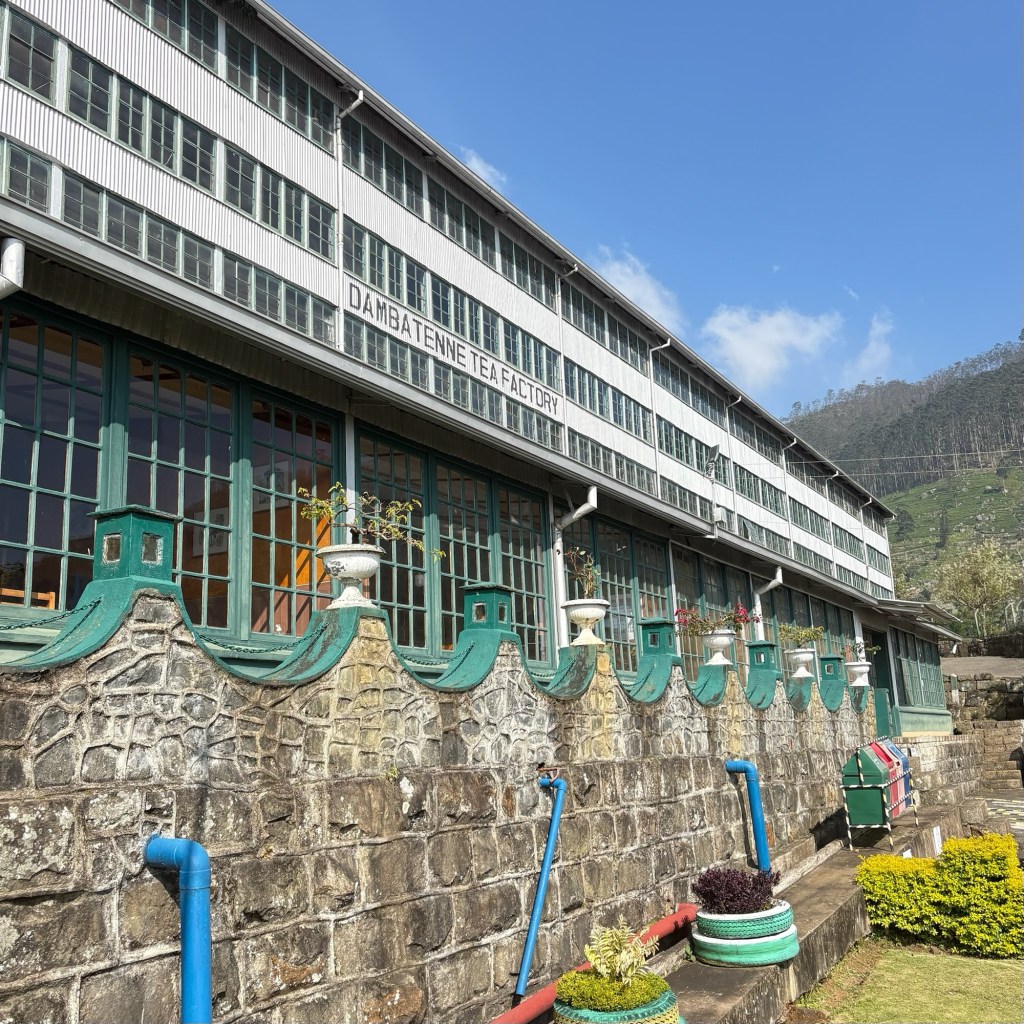
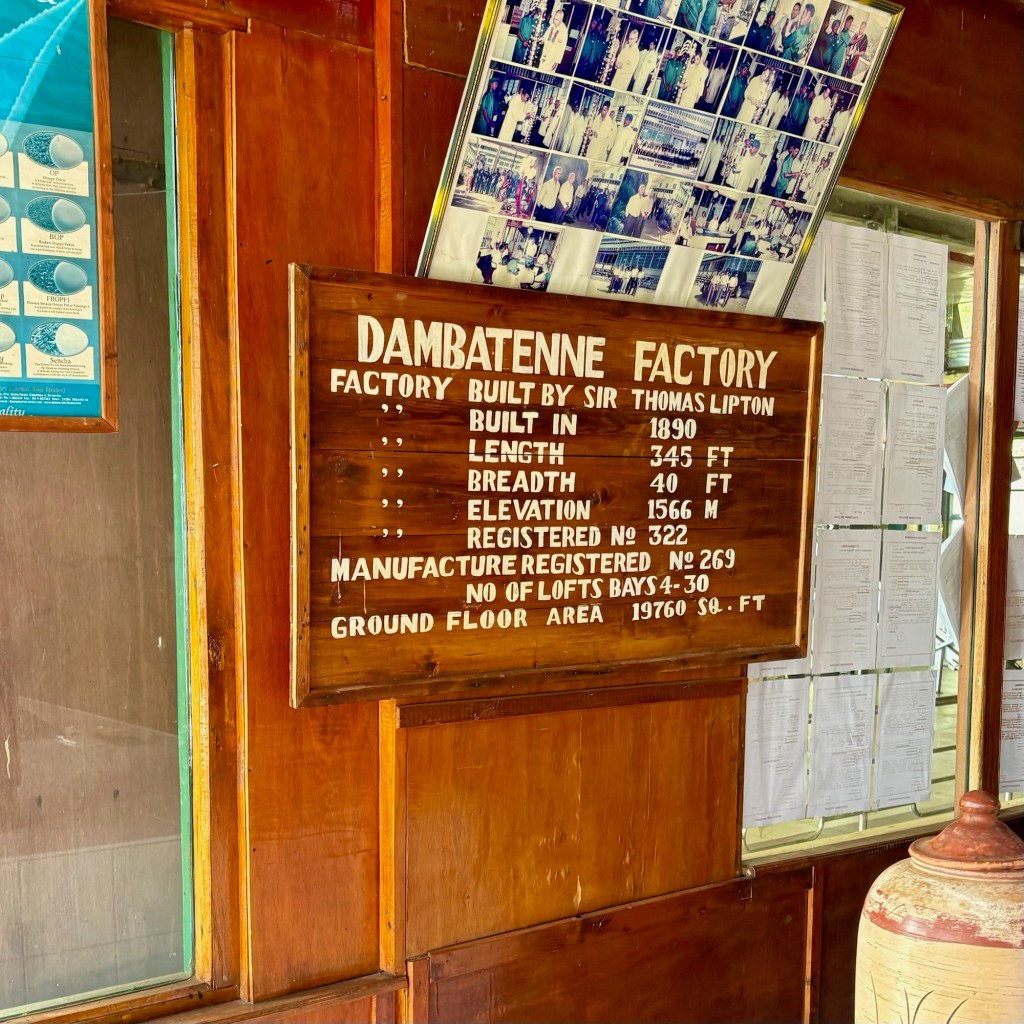
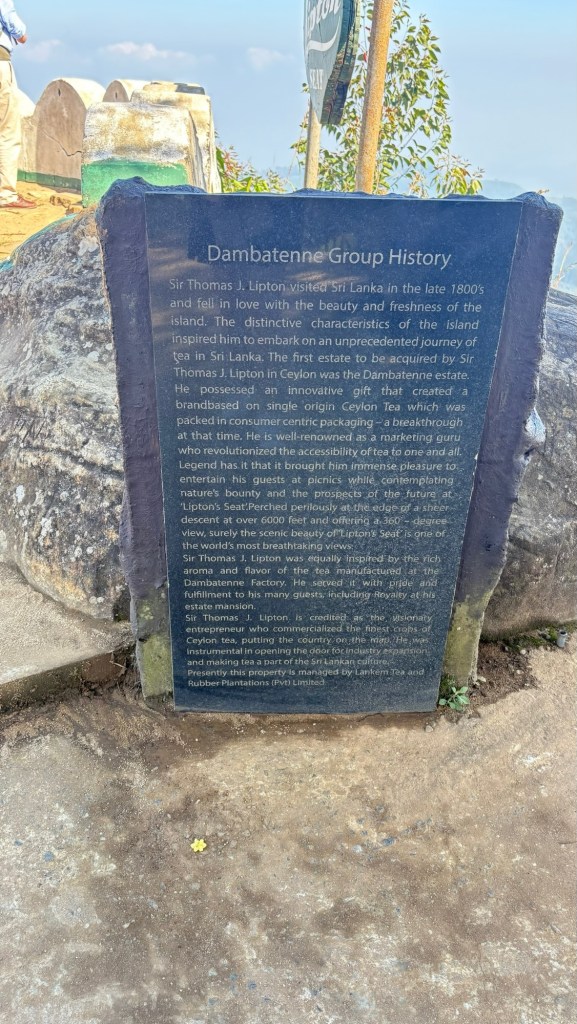
The geography of the area is high, steep hills and valleys, with extensive neatly laid out tea plantations. It was tea as far as the eye could see. Beautiful, highly productive stunning landscape. It was harvest festival the days we were in the area so the tea plantation factories and fields were devoid of their usual levels of activity. We were however able to tour the historic lipton tea factory which is still active a hundred years after being built. Lipton is now part of the Dambatenna estate and is still a large scale producer of tea in Sri Lanka.
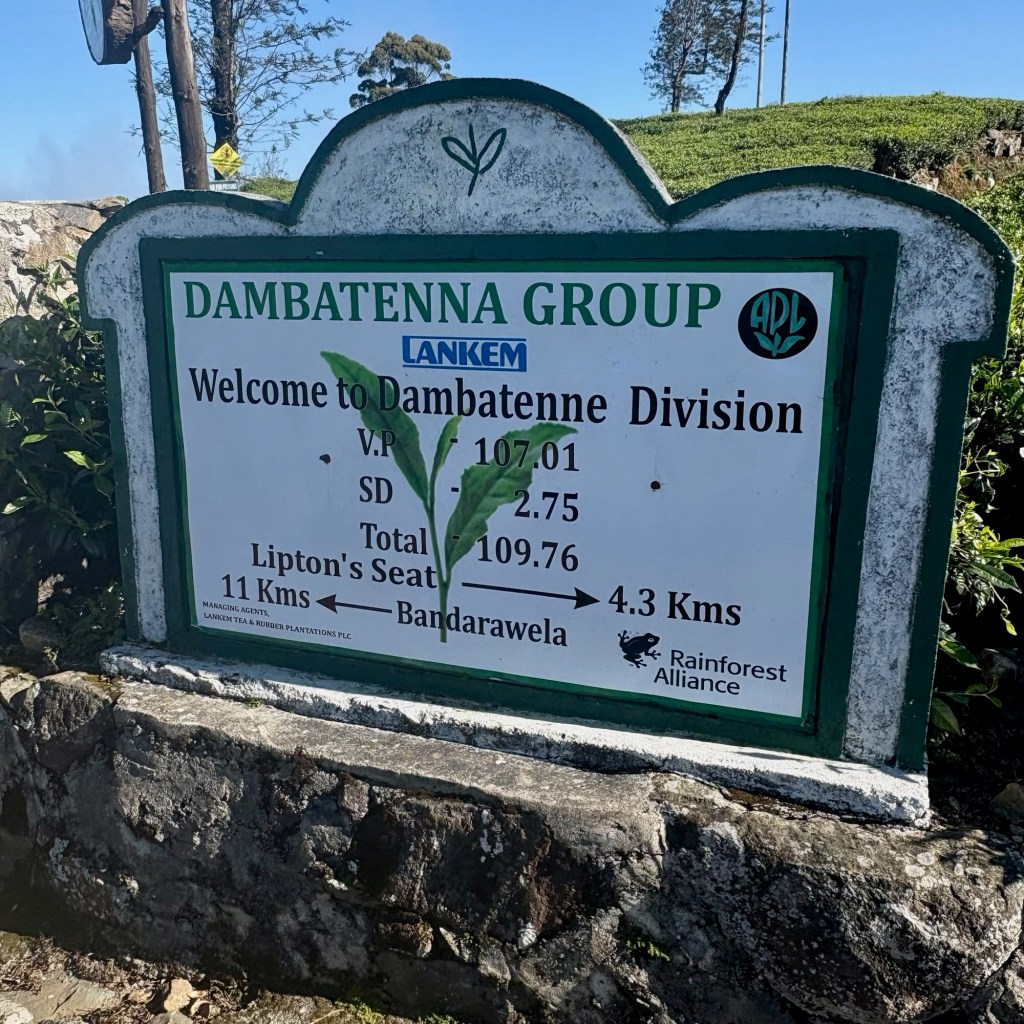
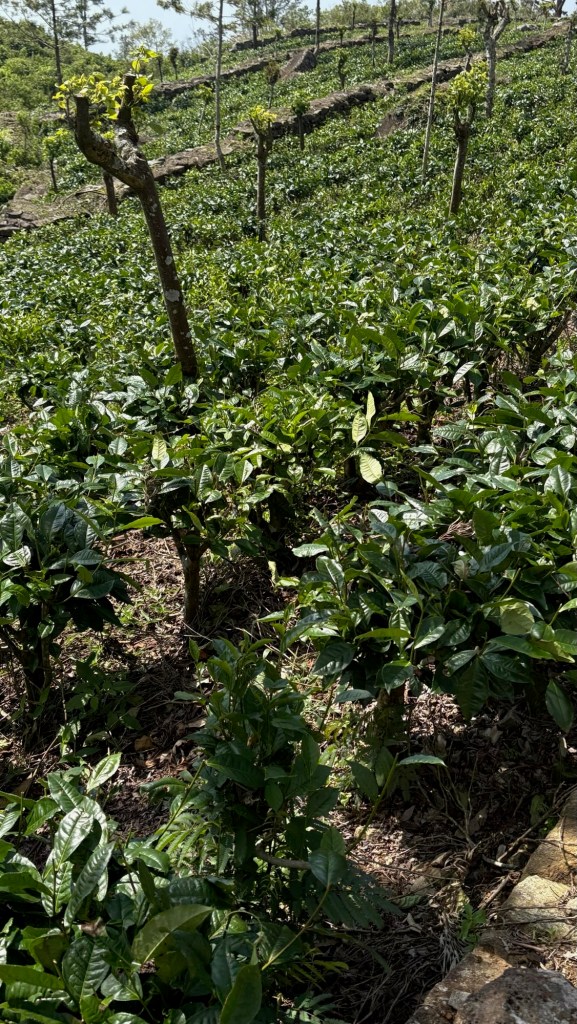
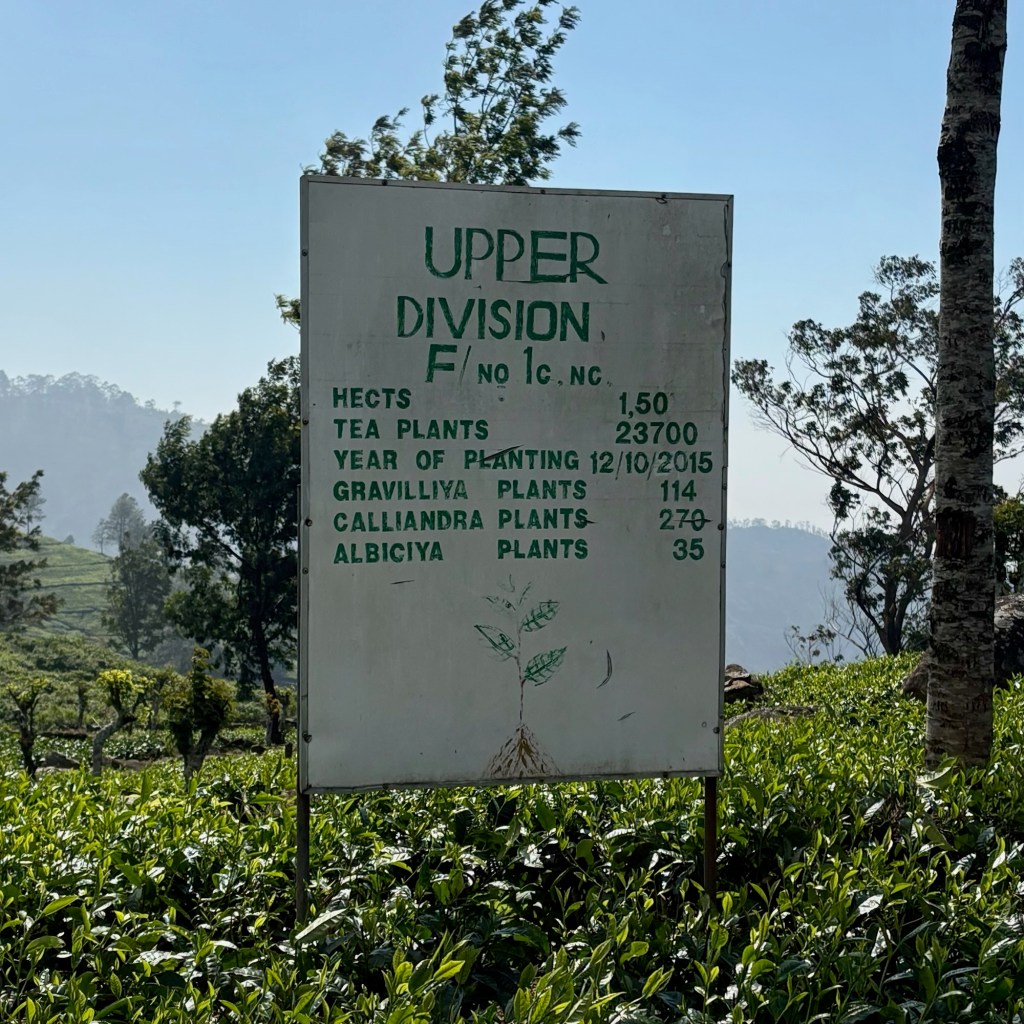
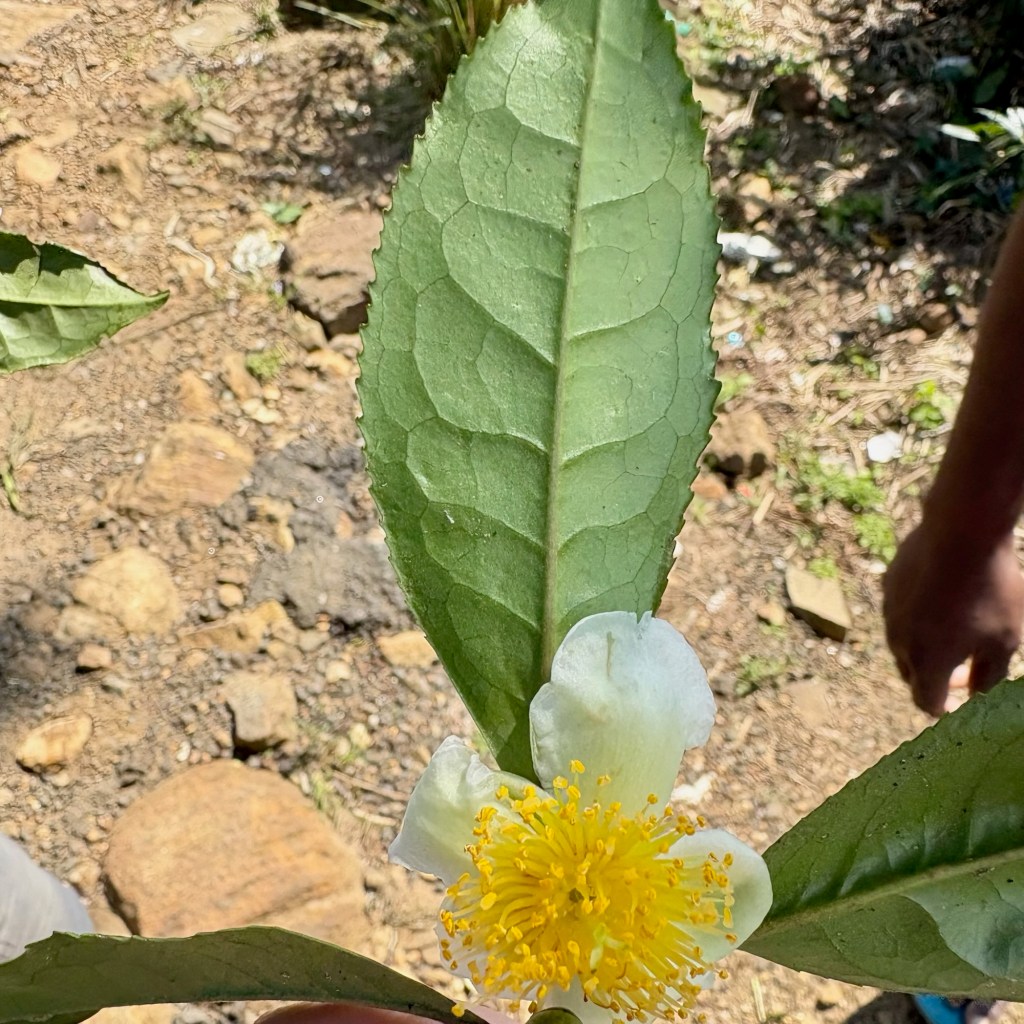
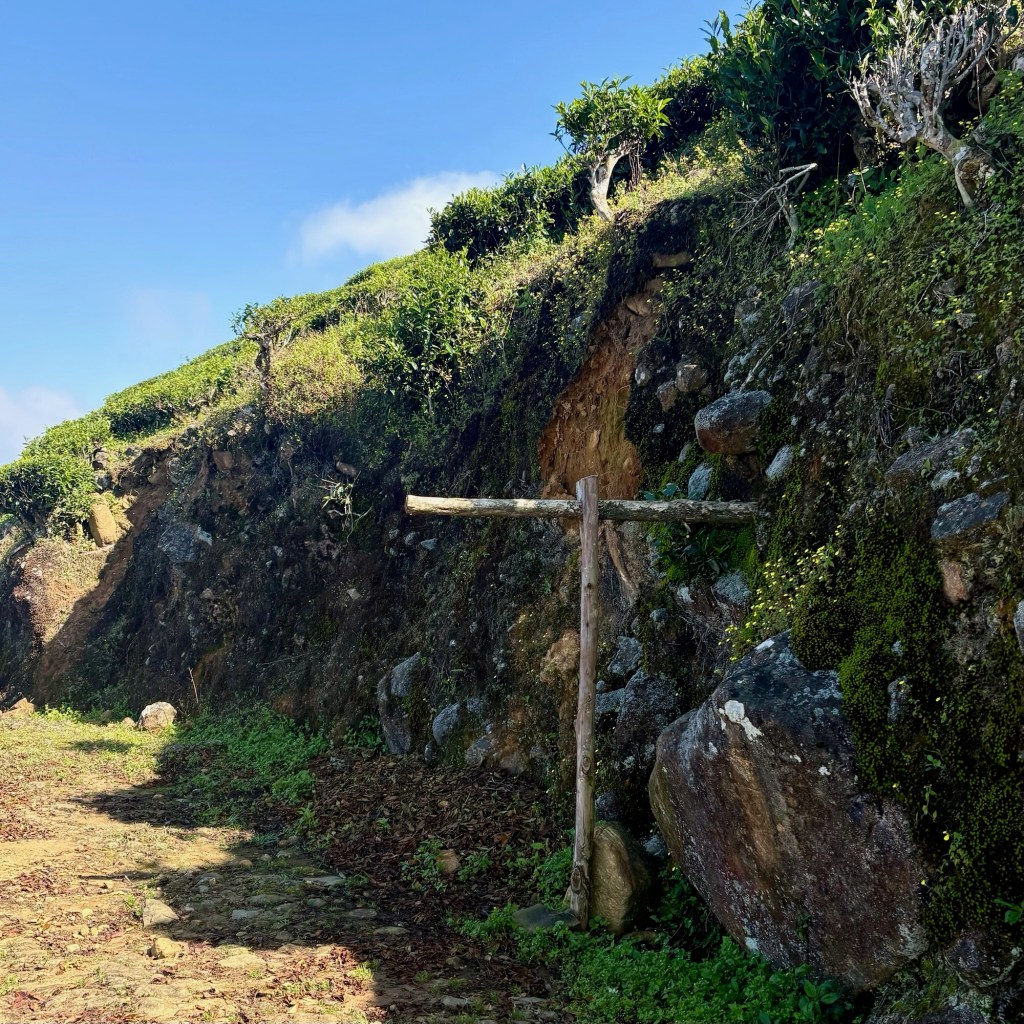
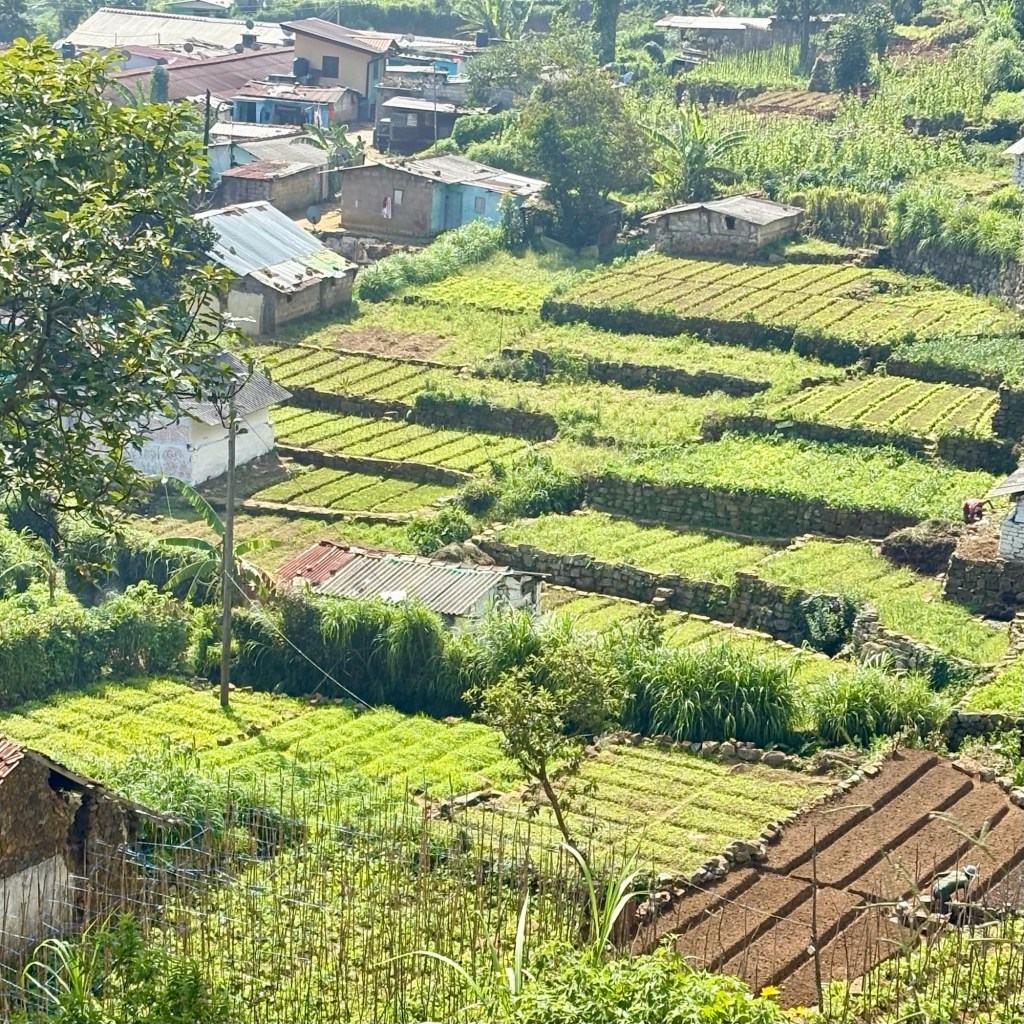
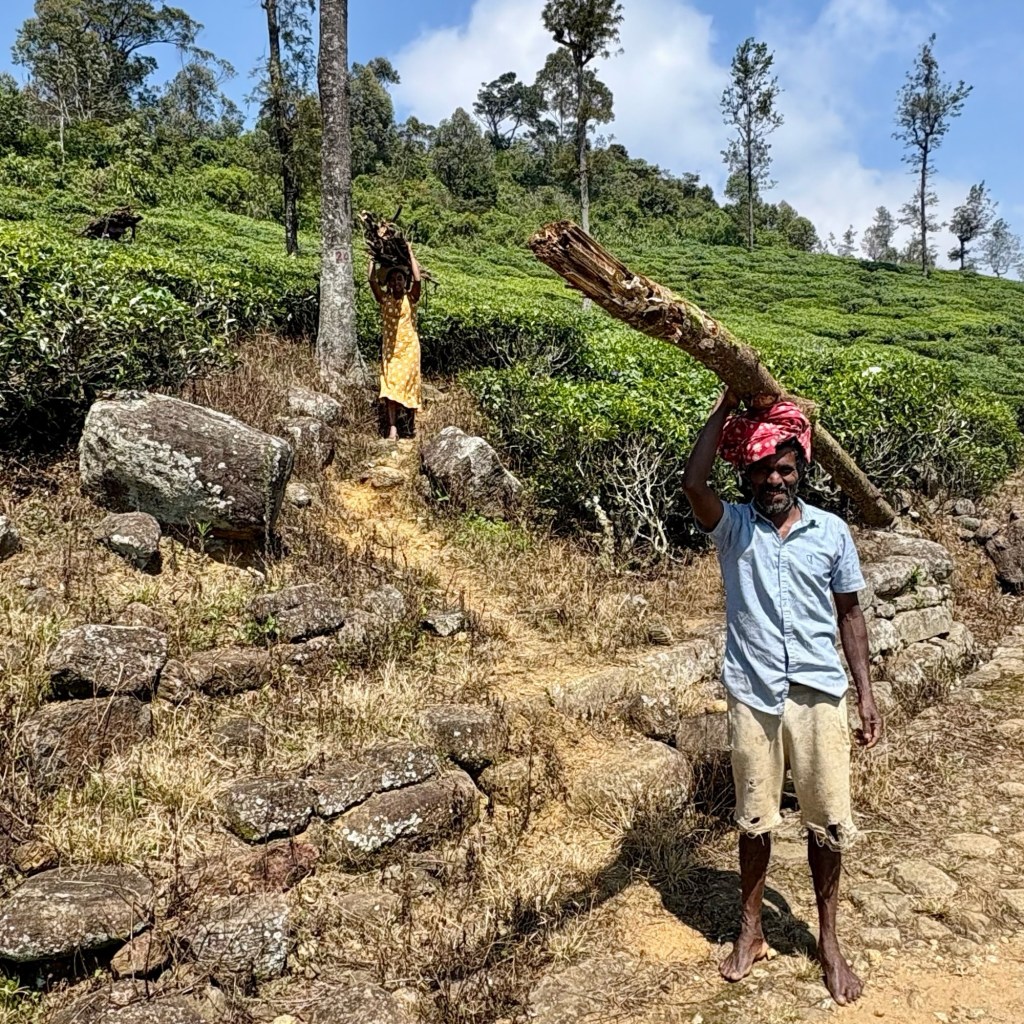
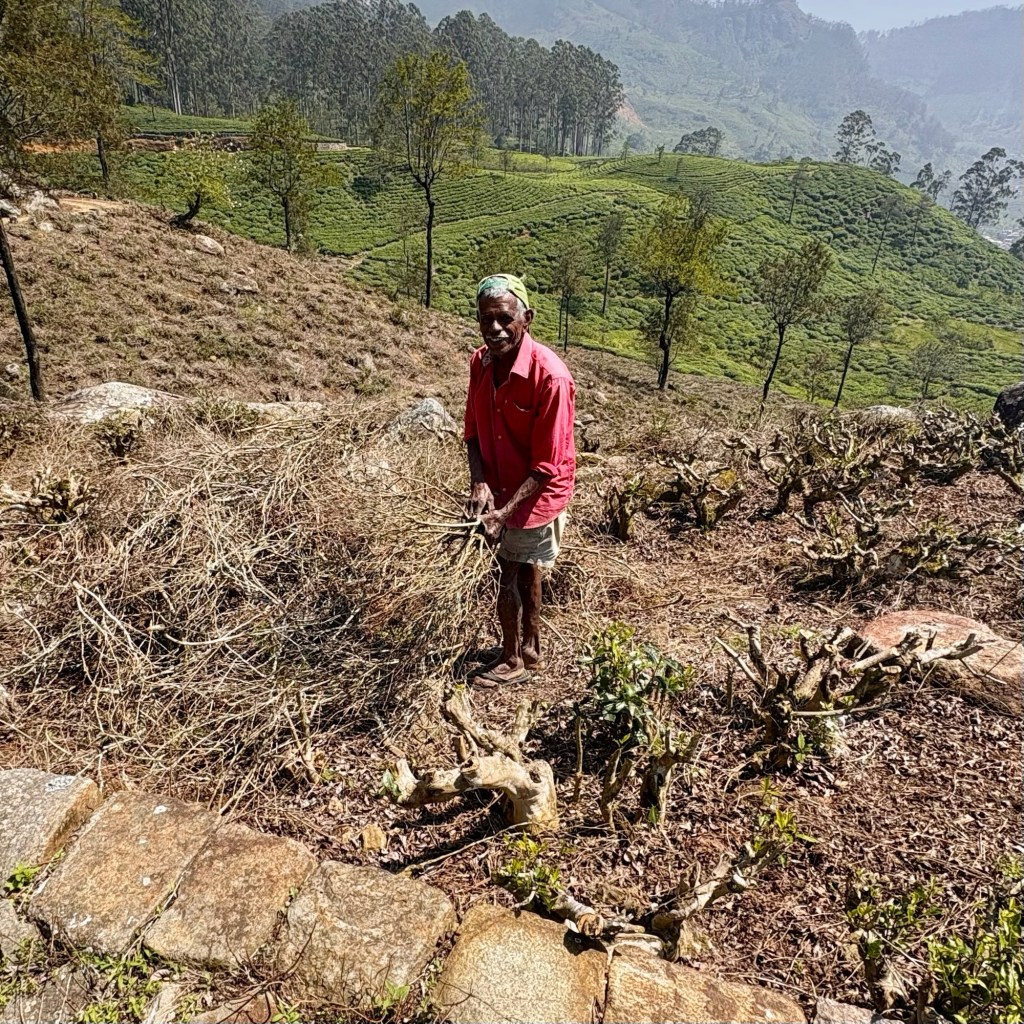
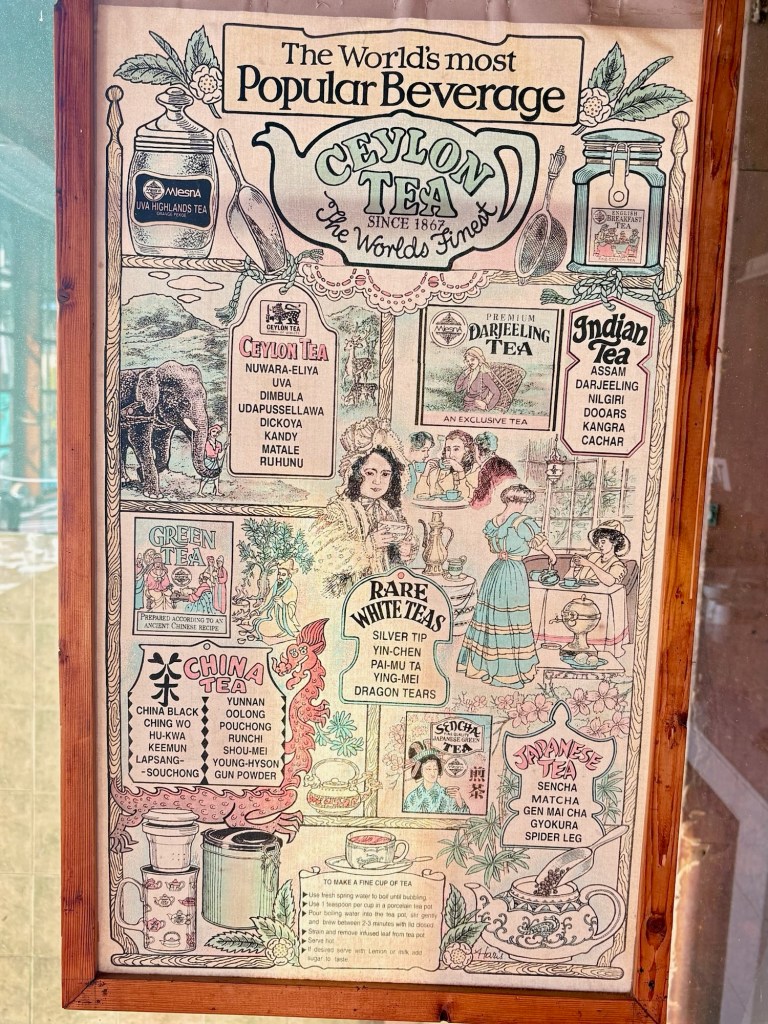
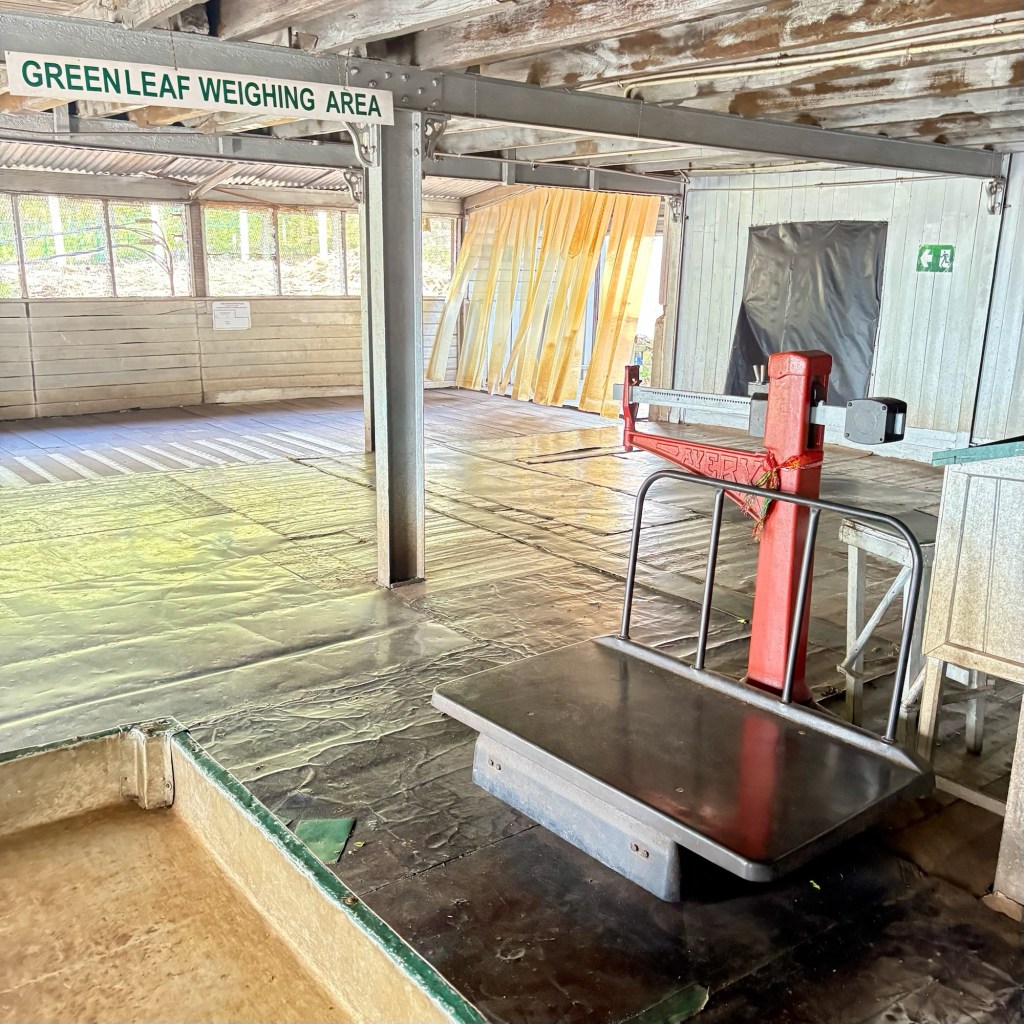
Each sign carries important information regarding the tea crop in each field. VP means vegetatively propagated, namely a bush that has been propagated from a mother bush. SD refers to the seedling bushes.It seems no slope is too steep for tea plantstea flowerField scales. At morning or lunch breaktime the tea pluckers present their harvest containers for weighing and emptying before starting the next shiftLand cultivation occurs all over Sri lanka where there are people. This is a plantation village where additional crops are being grown between housing.No tea plucking taking place due to harvest festival holiday but we did run into plantation workers collecting their firewood.The original Lipton tea factorySri Lankas old name of Ceylon still lives on in many industries but hugely in tea production, given its strong branding value
Tea plucking, it turns out, is a precise process. The quality of the tea product starts with how many leaves on each plant are plucked at one time together with maturity.
There is gold tipped tea – one bud leaf of each branch, green tea – the bud and one leaf and ordinary tea – bud and two leaves.
Tea plants also regenerate quickly. They can be reharvested 10-14 days after picking.
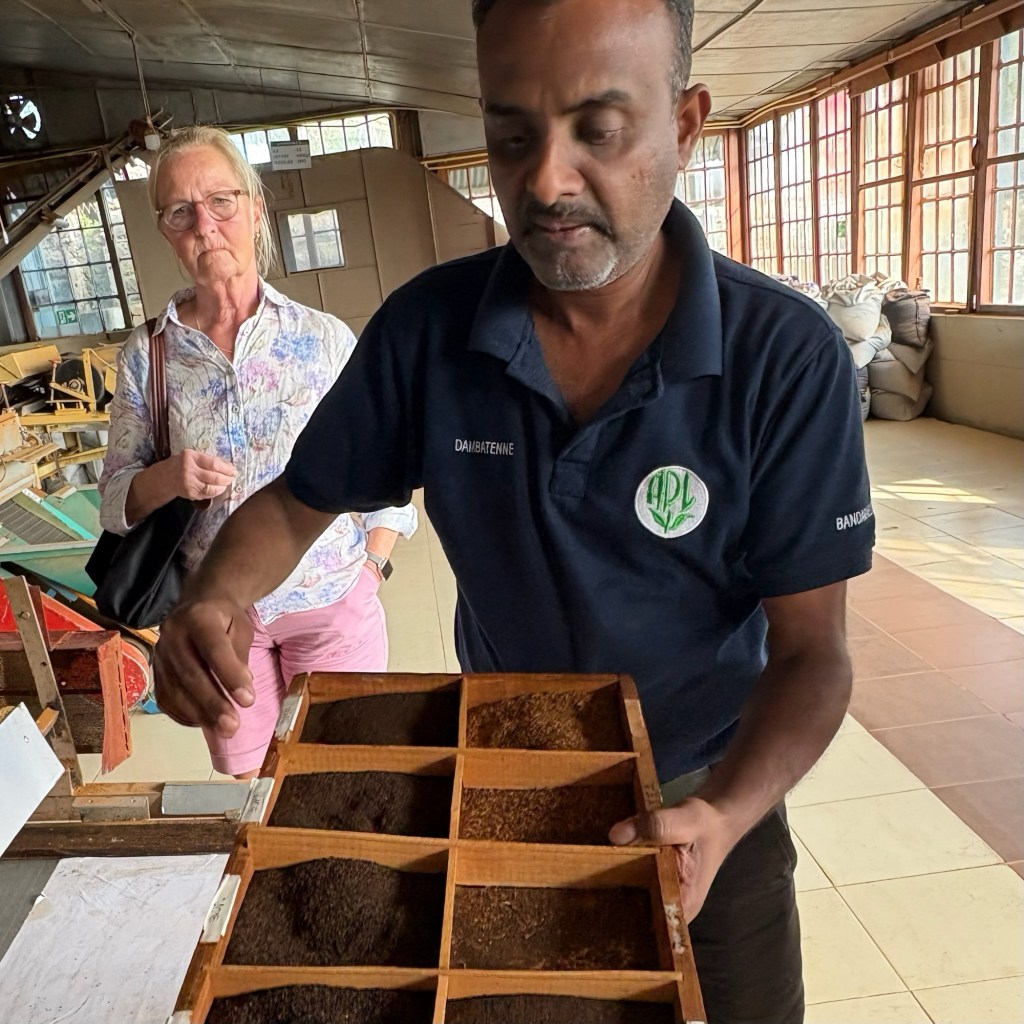
There are a number of stages which vary according to the type and strength of tea required ; plucking, withering/wilting, disruption or leaf maceration, oxidation, rolling, drying and sorting.
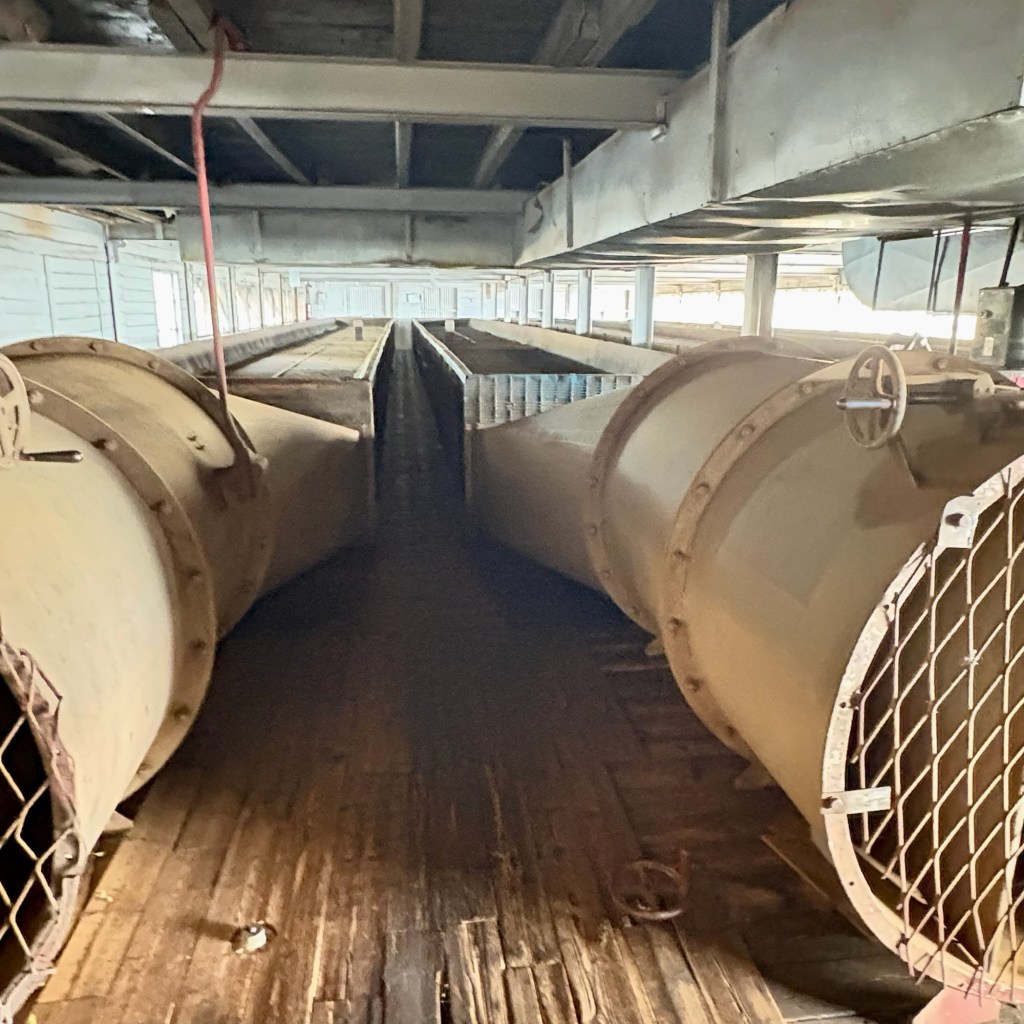
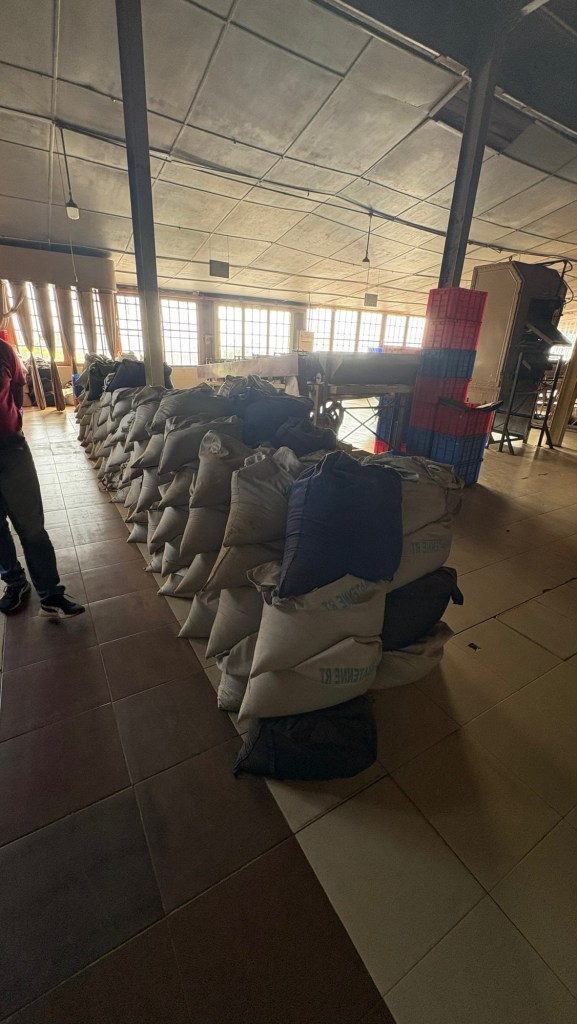
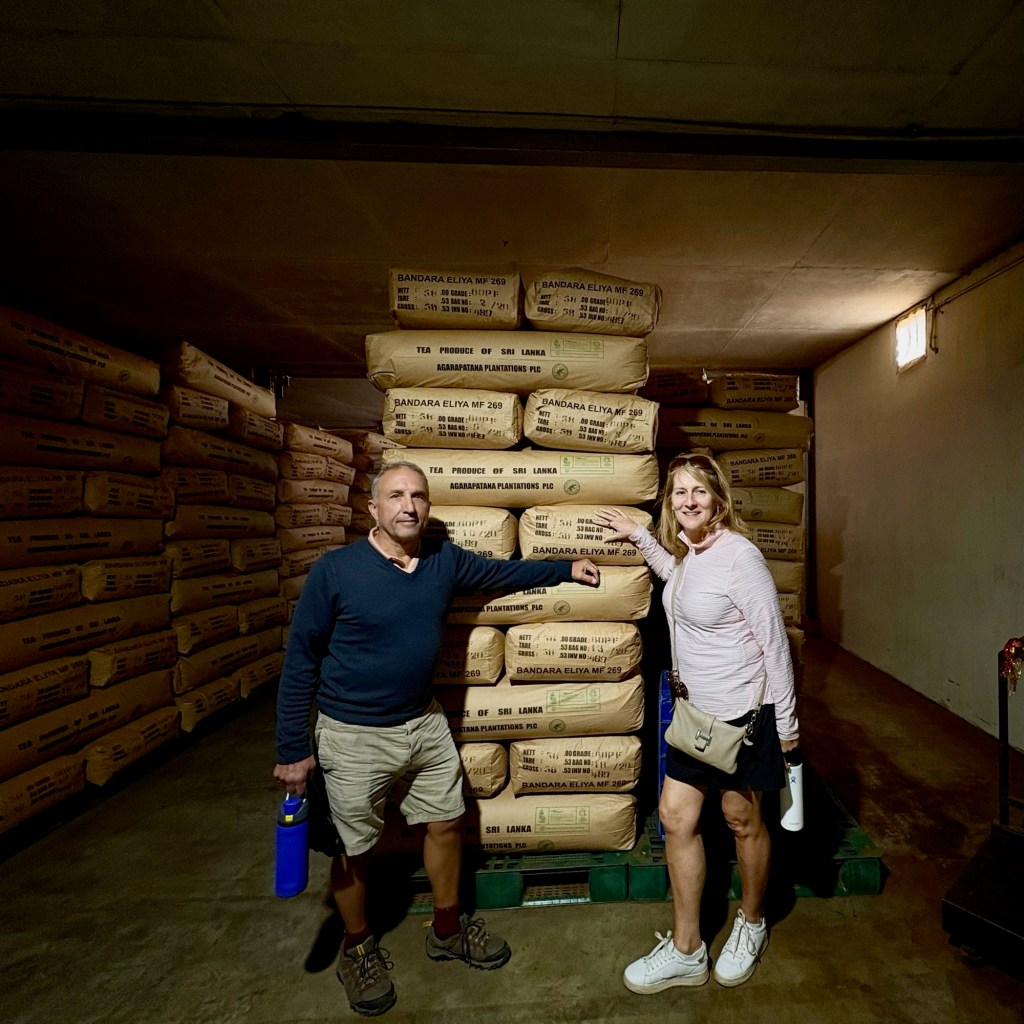
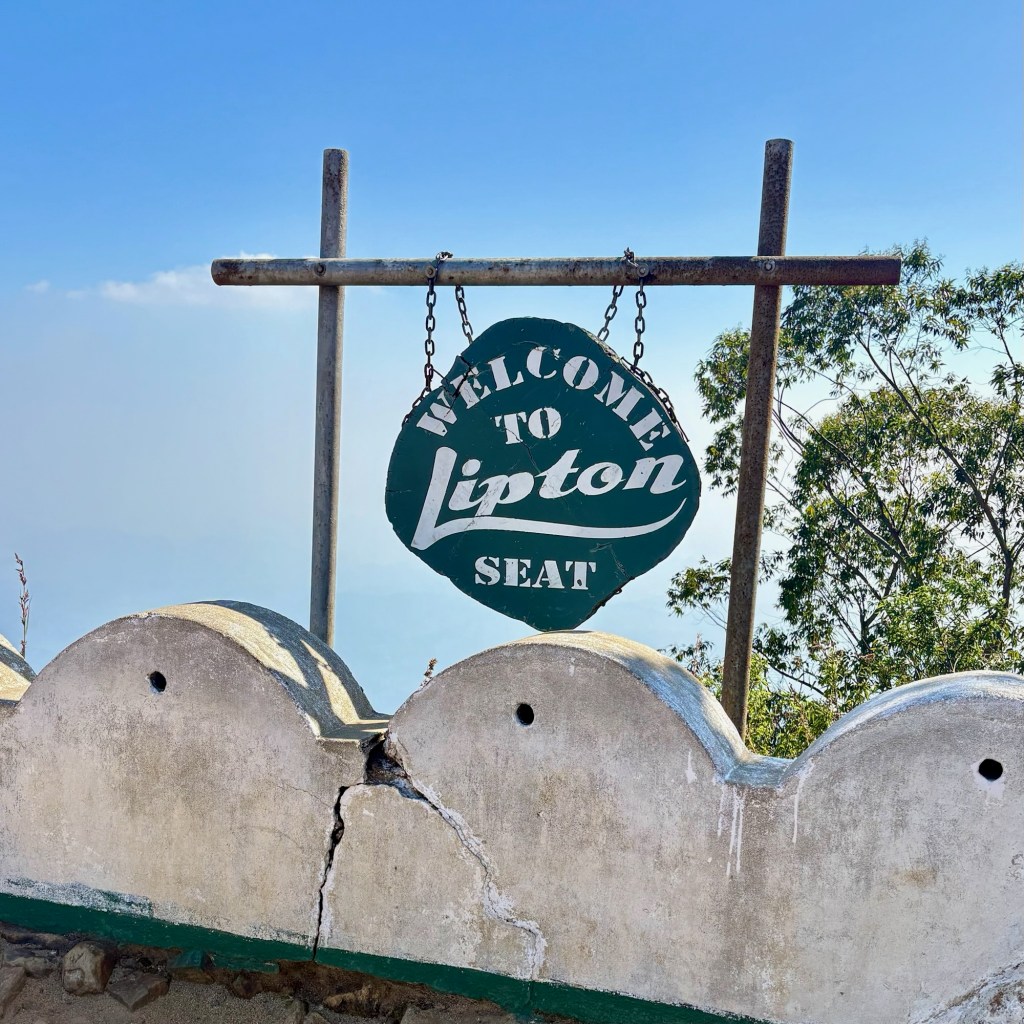
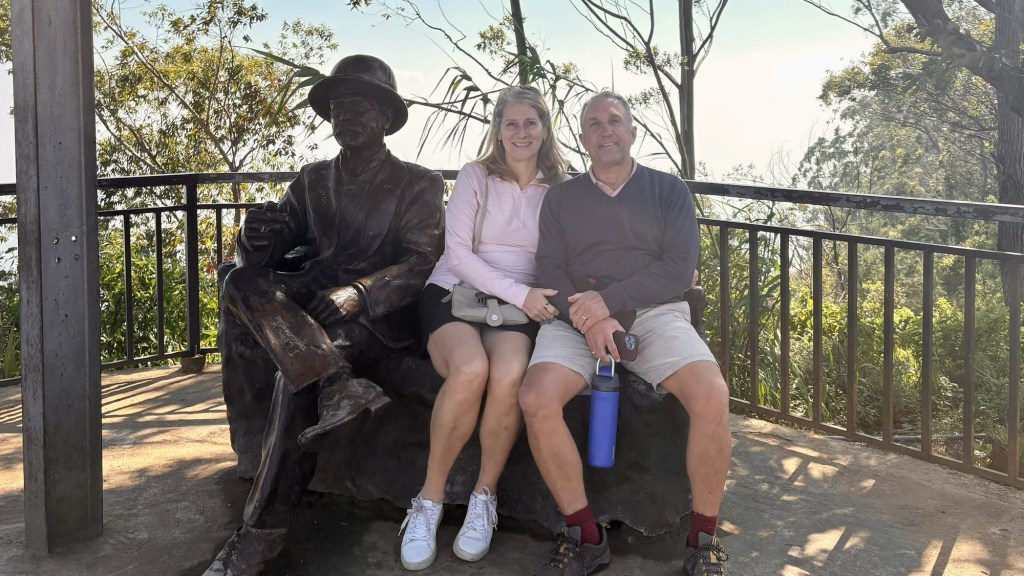
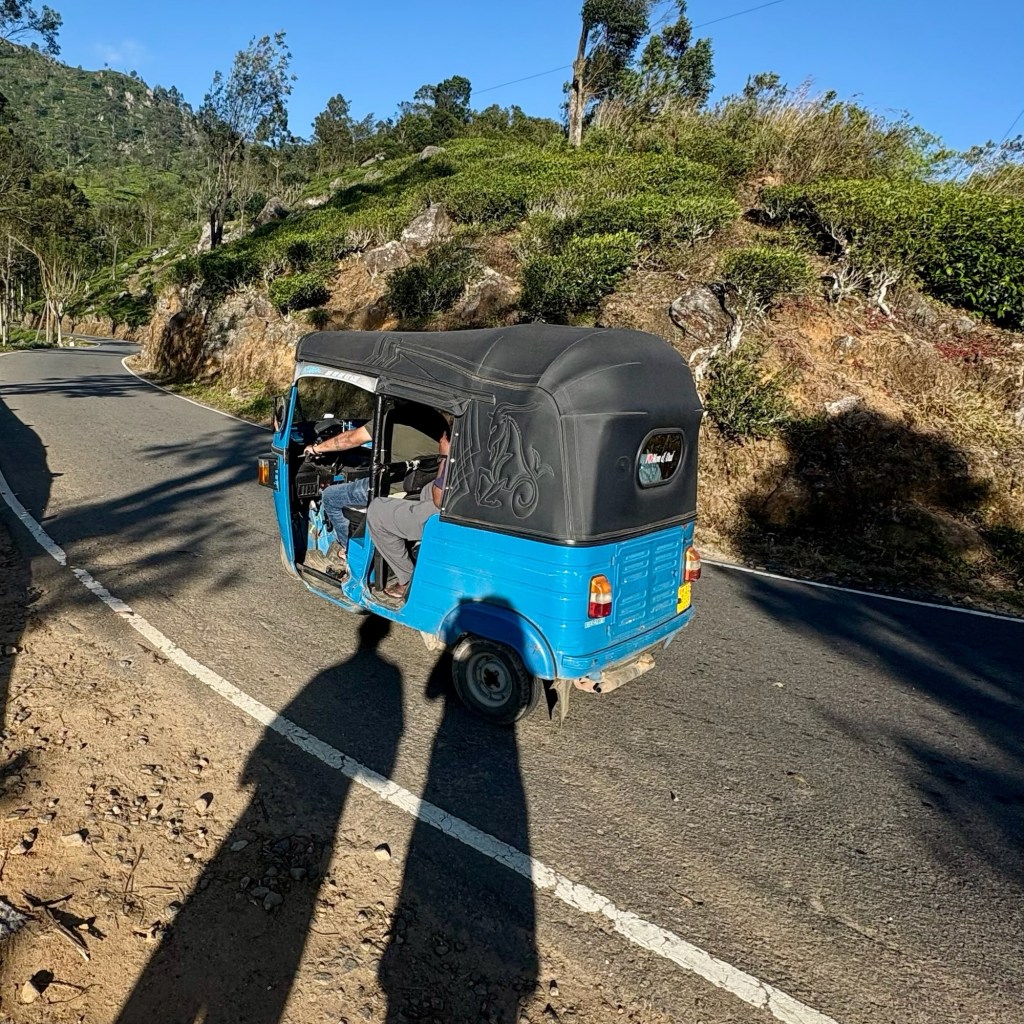
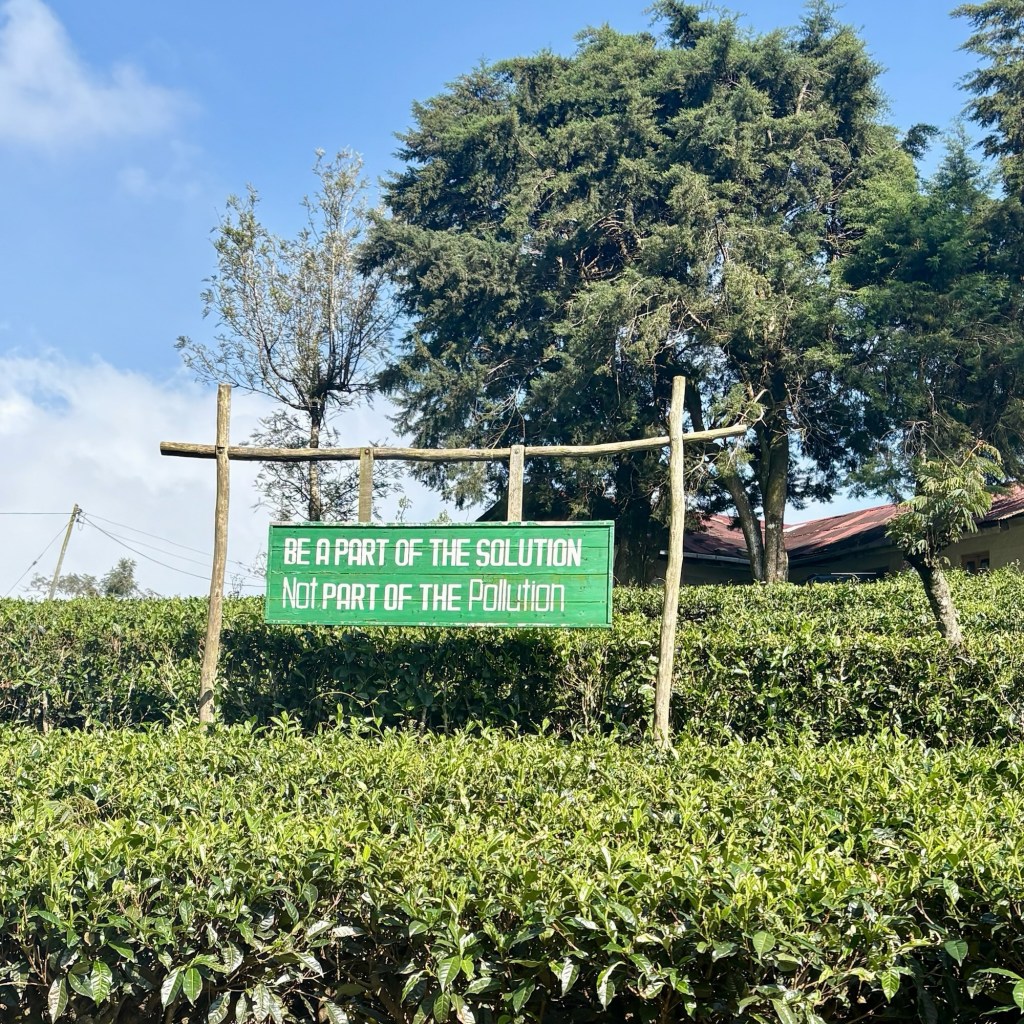
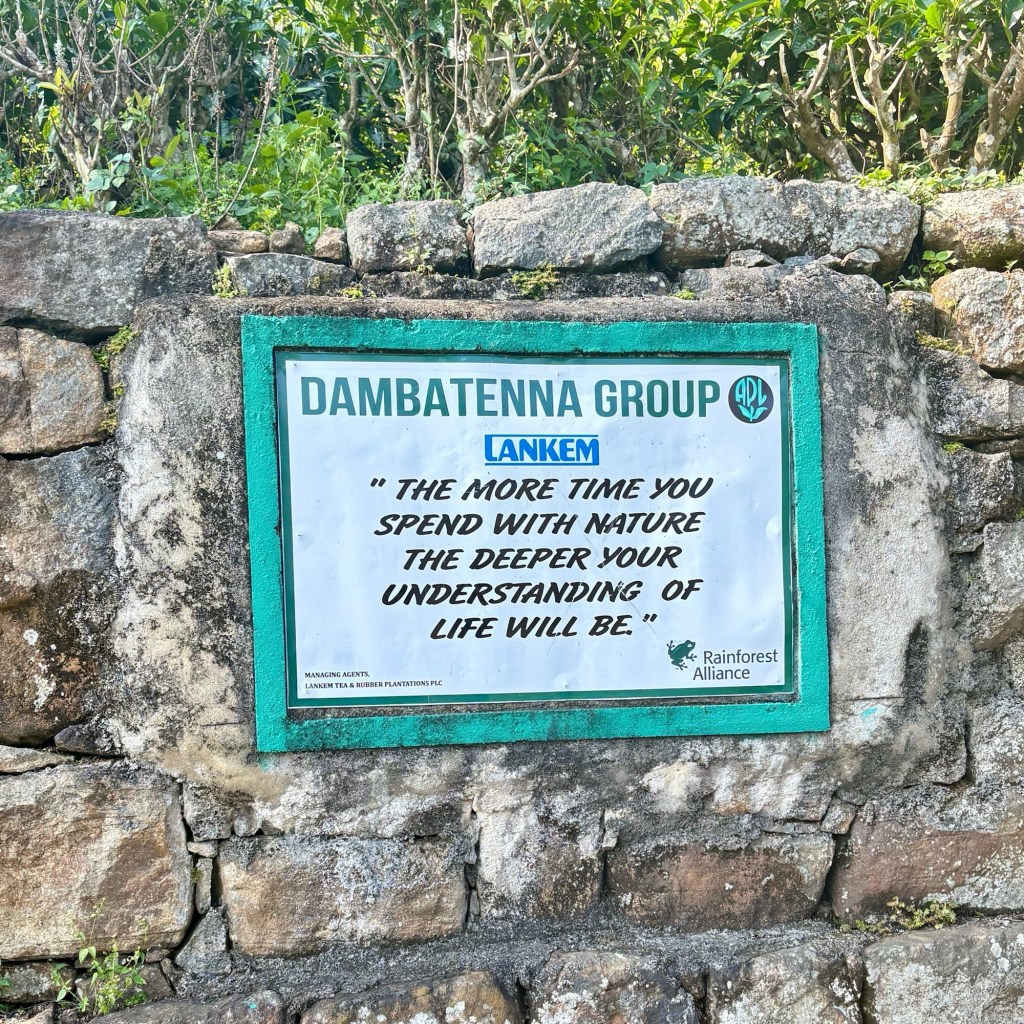
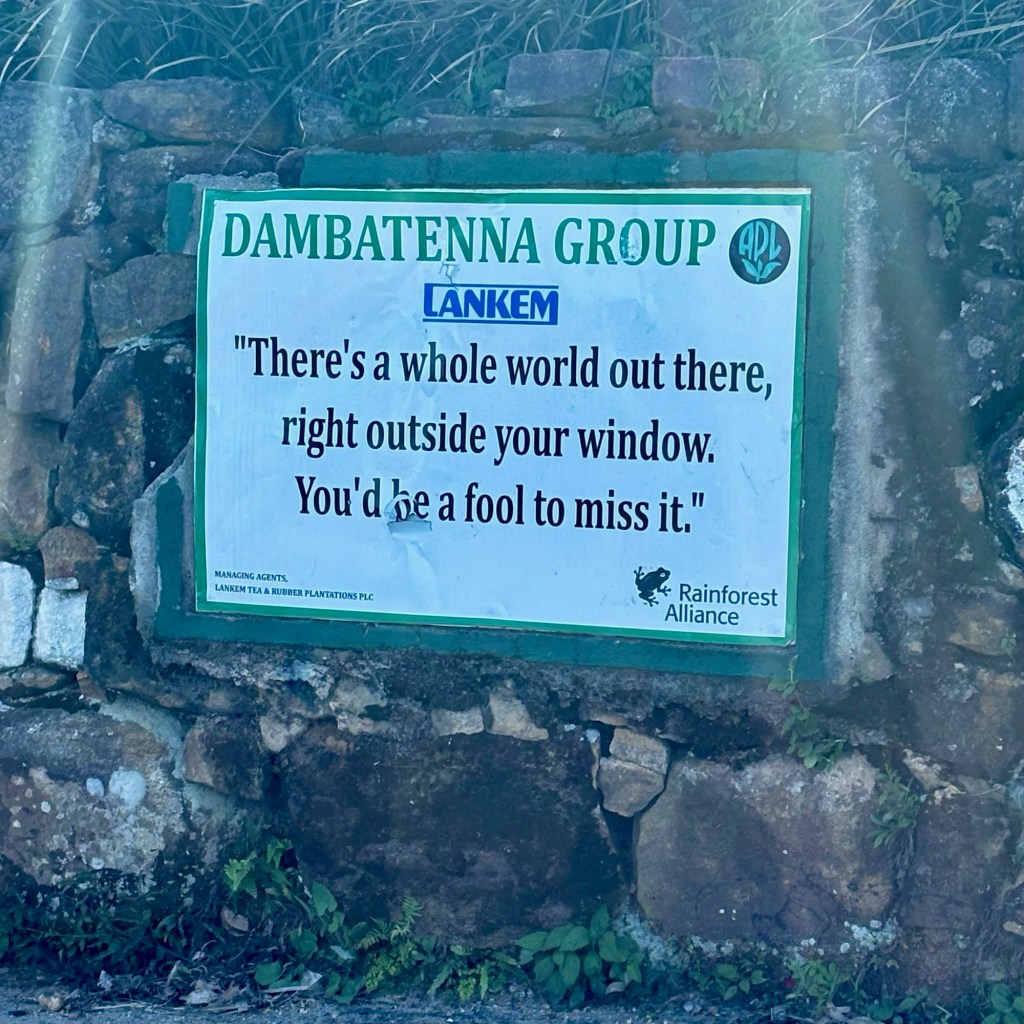
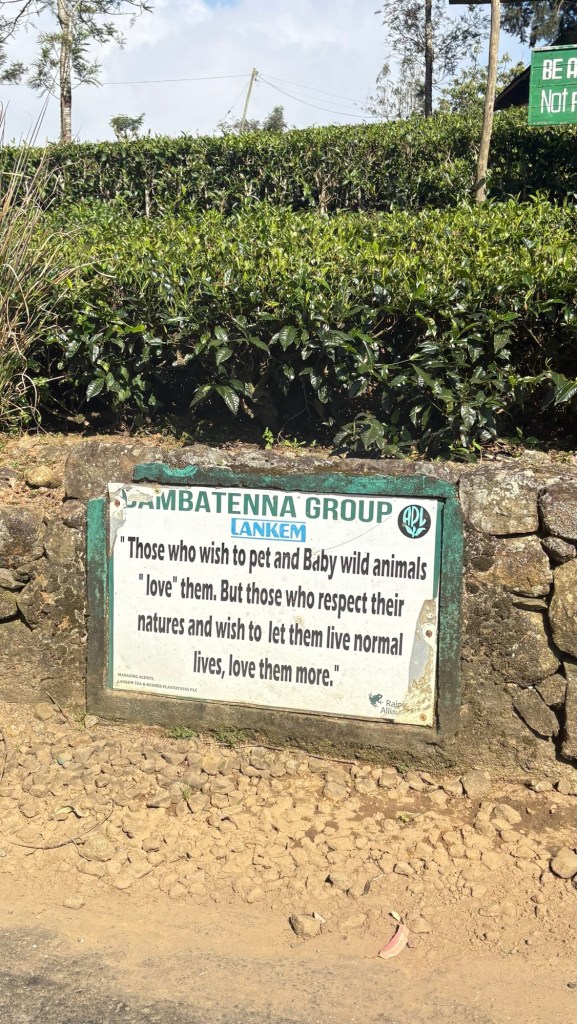
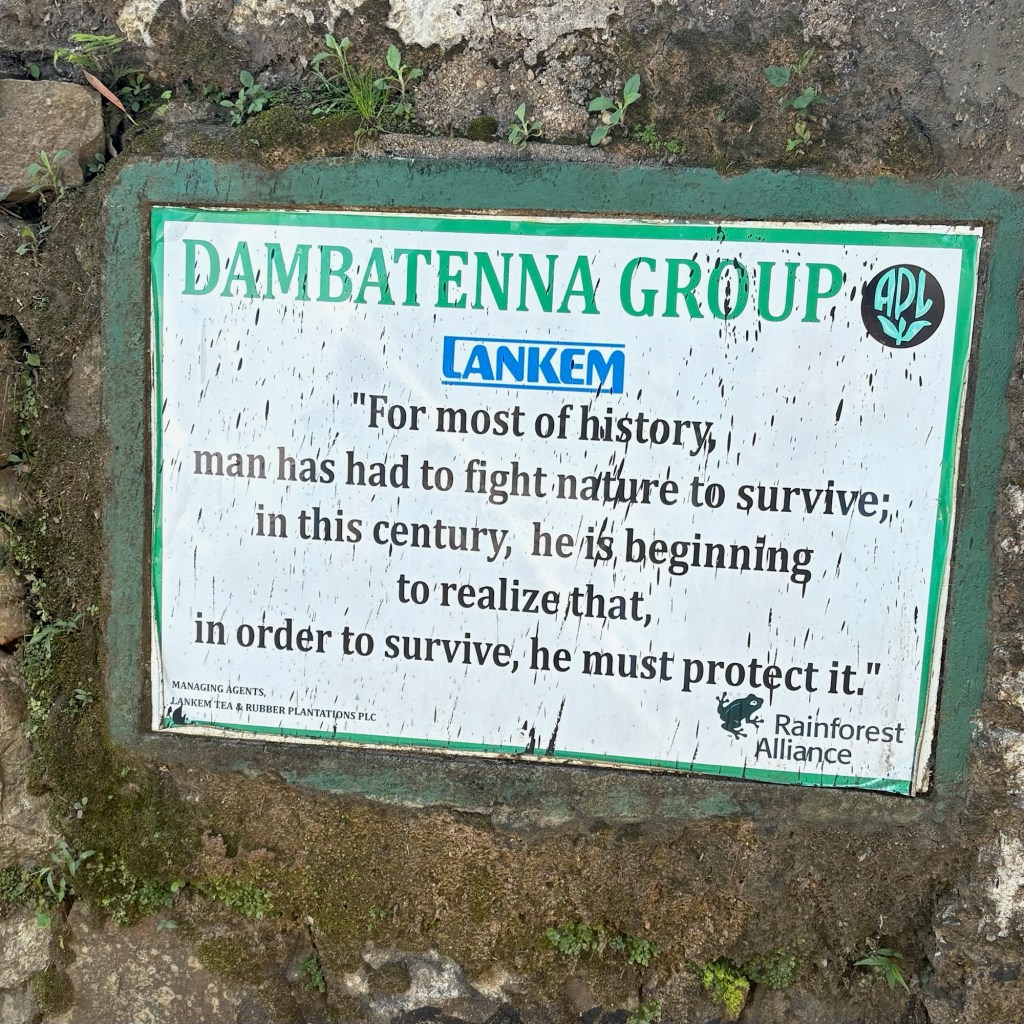
The days harvest is collected and weighed.The leaves are then wilted/withered by being spread out to allow loss of moisture. Warm air may be blown across them. The leaves then pass through a machine that looks rather like a large laundry dryer. This tears the leaf to break down its structures and allow the oxidation process to begin. The leaves are then left in a climate controlled environment to allow the oxidation process to take place. The amount of oxidation undertaken determines the final colour, taste and aroma of the tea. Rolling and drying are undertaken and then the leaves are sorted into this final product.the end product sorted and bagged ready for packing for despatch to market tea packed into 58 kg packs and loaded onto pallettes for transport to the market in Colombo.At the end of a long steep ride up to the top of the plantation by tuk tuk we reached the infamously named Liptons seat. even got to enjoy the view with Sir Thomas Lipton himself.Tuk tuk – efficient and most popular form of local transport in Sri Lanka. The only way to get from the factiory up the steep hillside round the hairpin turns to Liptons seat and its views over the valleys. The roadside of the plantation featured numerous signs with words of wisdom and stewardship
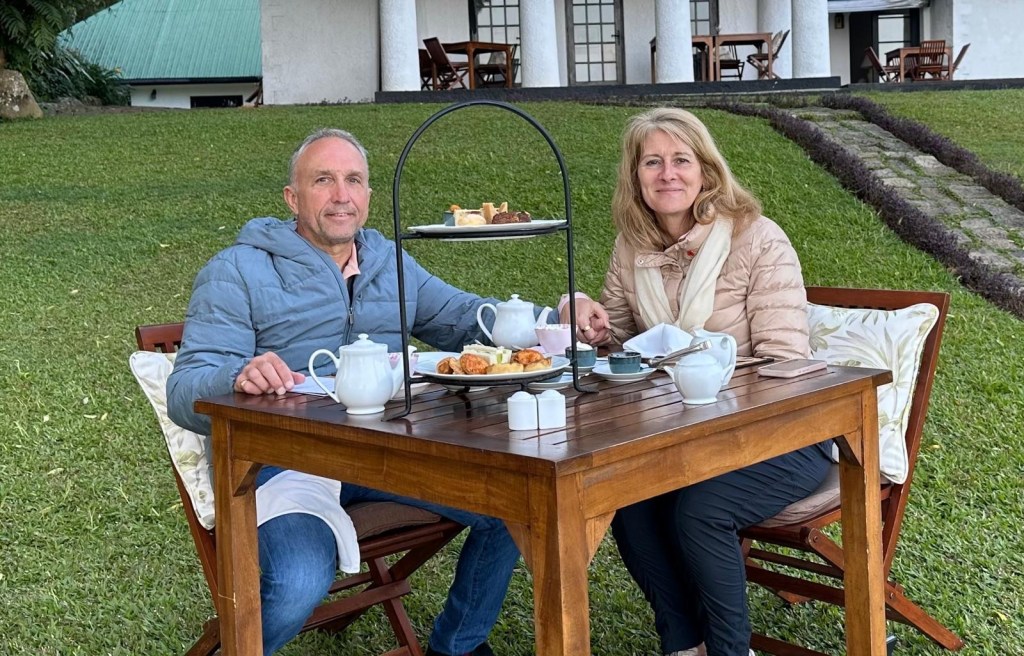
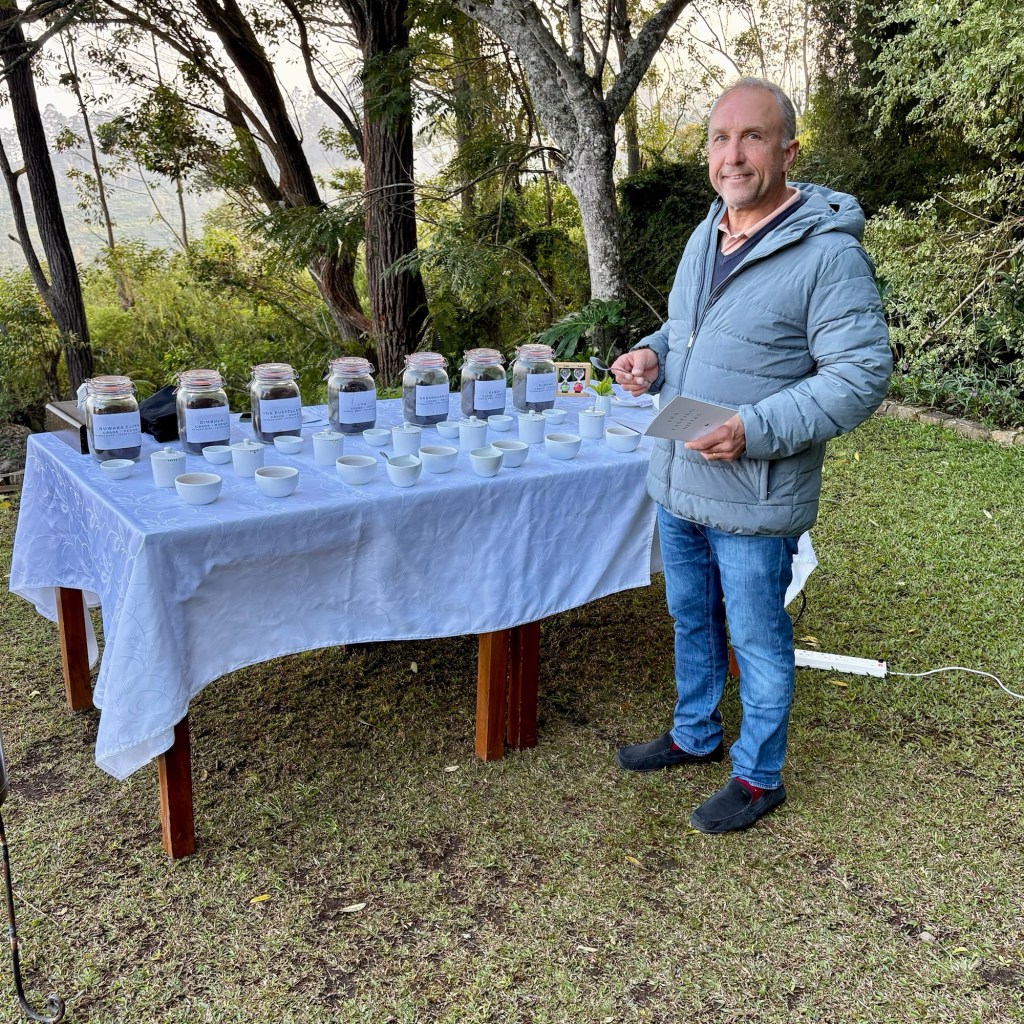
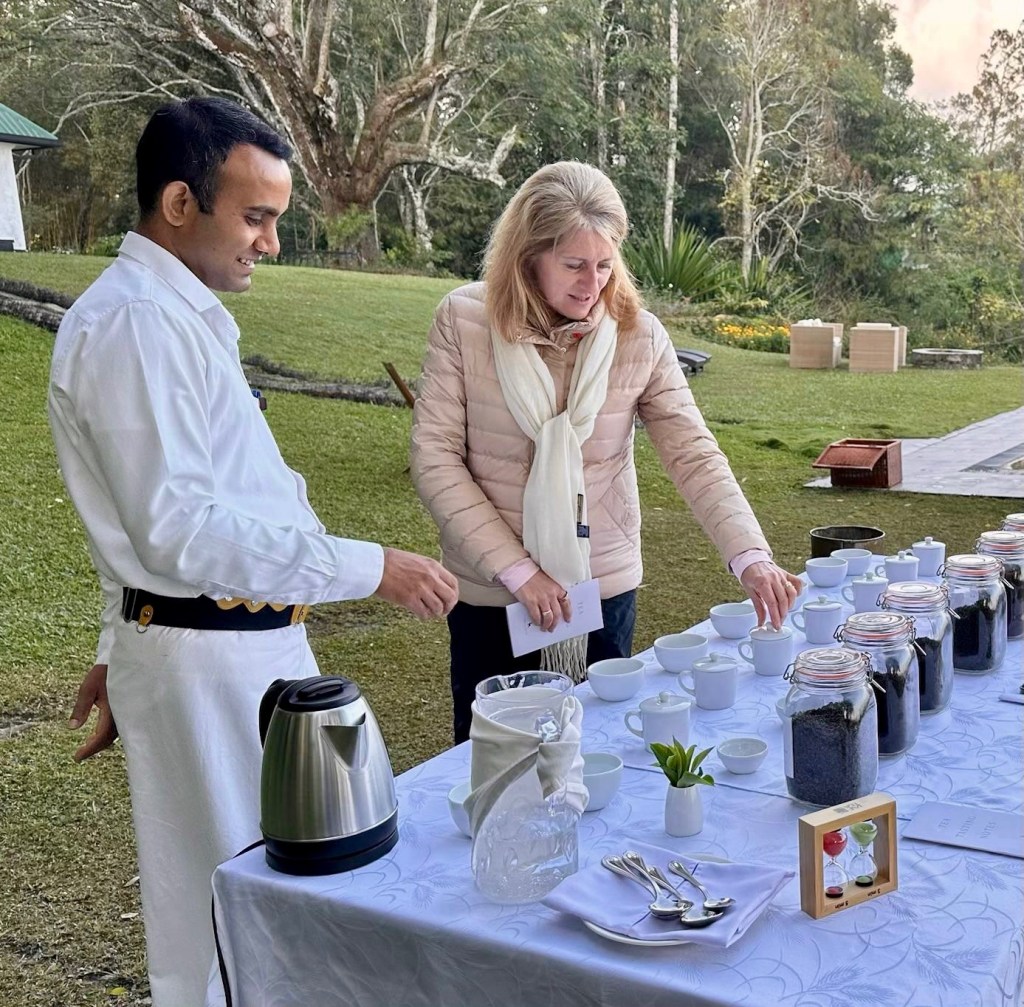
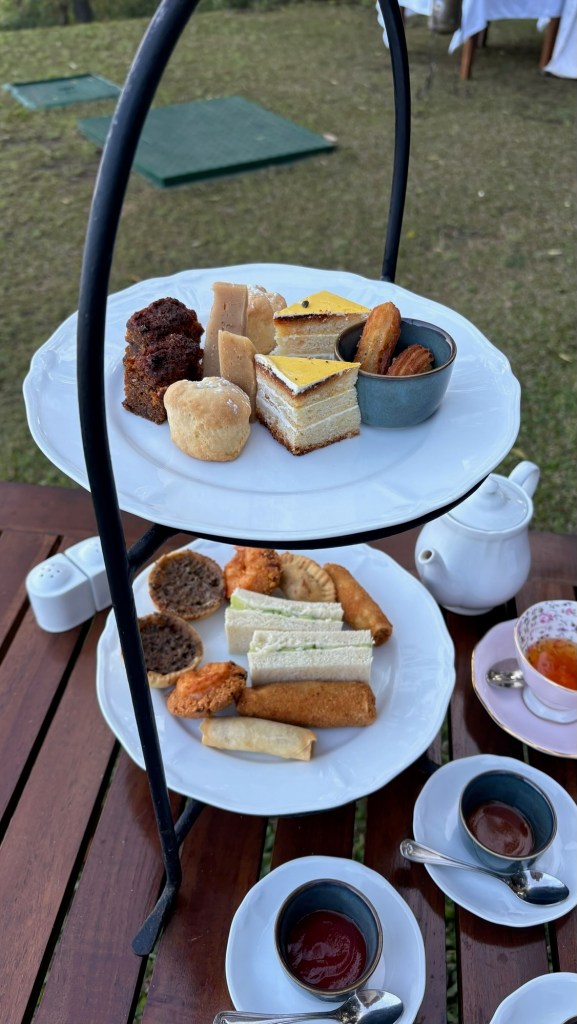
No better way to end this part of our education than with a tea tasting hosted by our hotel in a beautiful setting and featuring traditional aspects of an English HighTea – cucumber sandwiches, scones and cream and tea in china cups and saucers.
how do I choose between such subtle differences?some excellent variations accompanied the traditional high tea dishes – mushroom tartlets and deep fried cheese rolls.
Next……sights on a small section of the Pekoe Trail…
 Phil and Carolynn's travel adventures
Leave a comment