After three days in Fanari we decided for our last day in Thrace to explore the Lake Vistonida delta area.
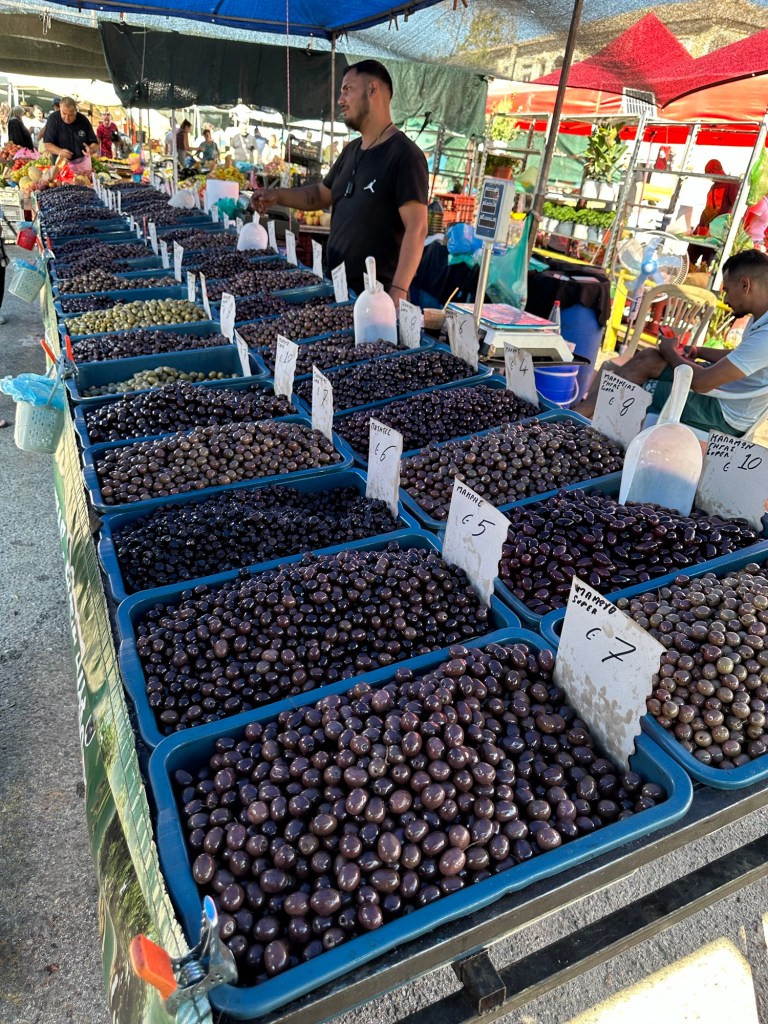
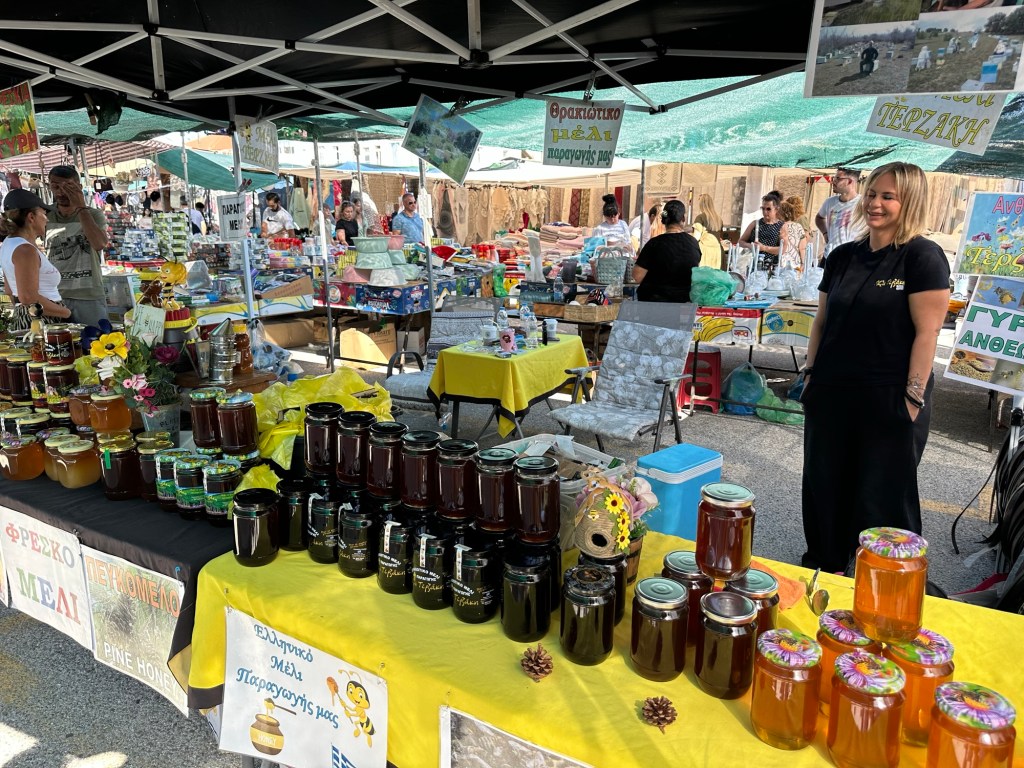
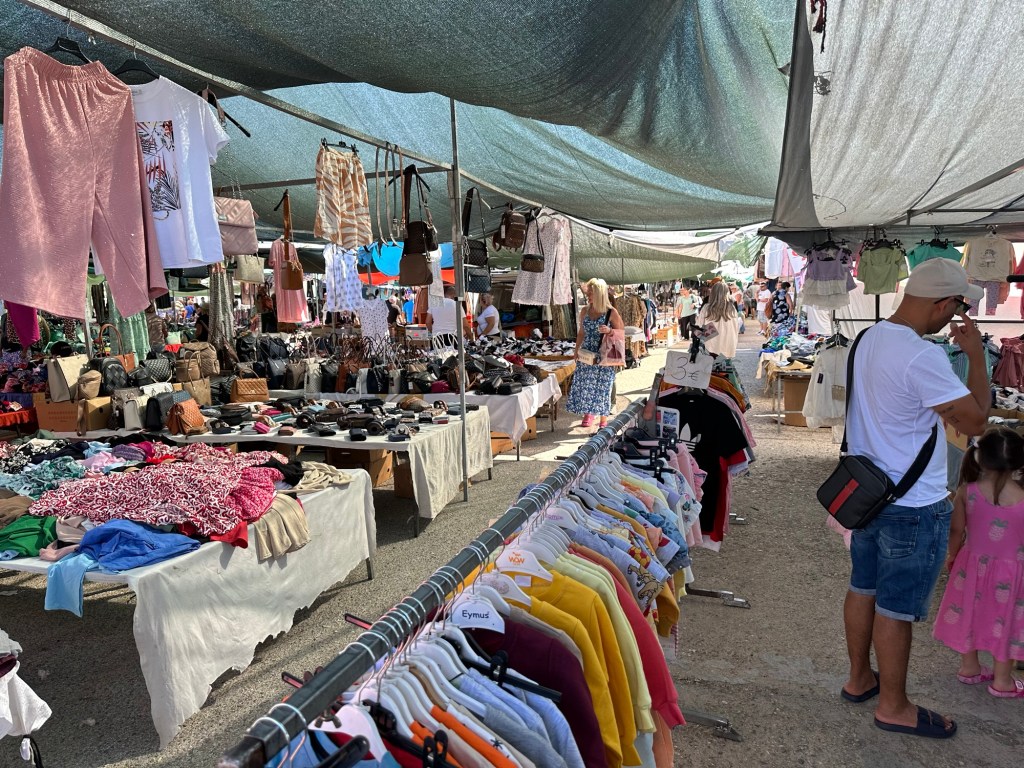
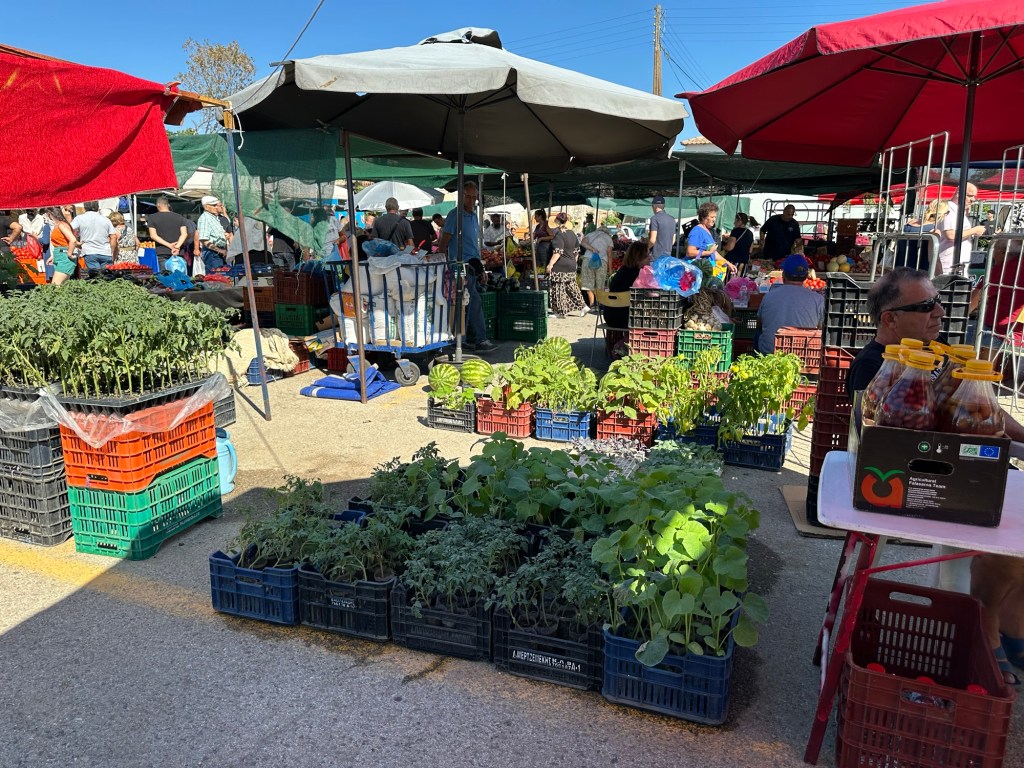
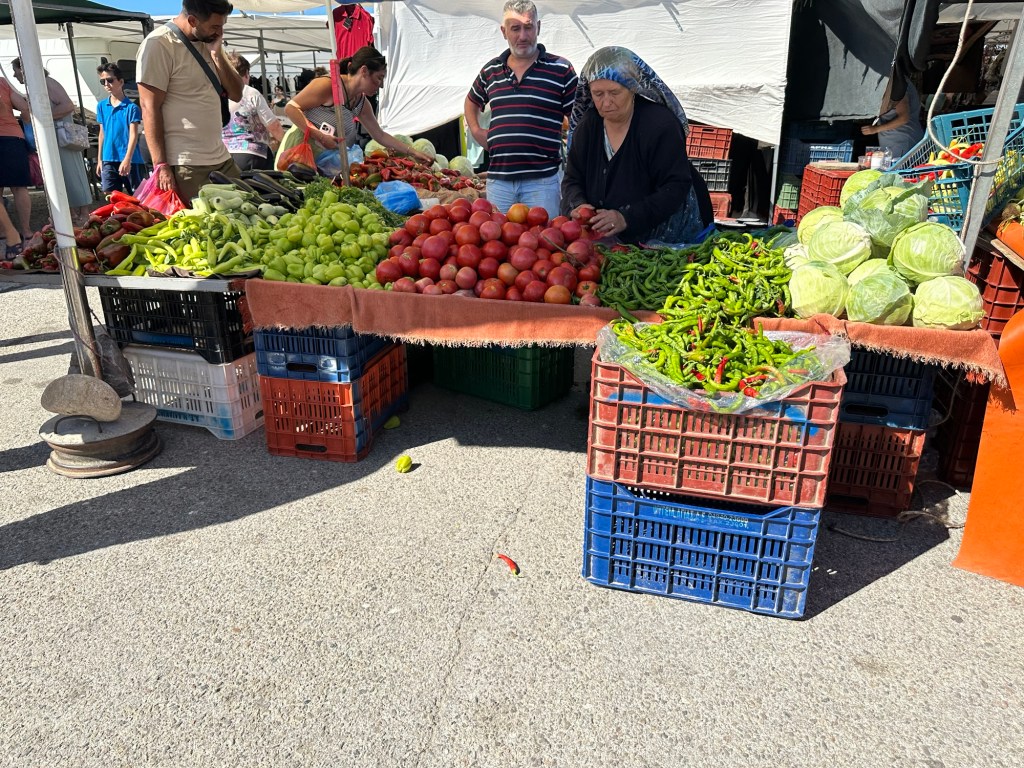
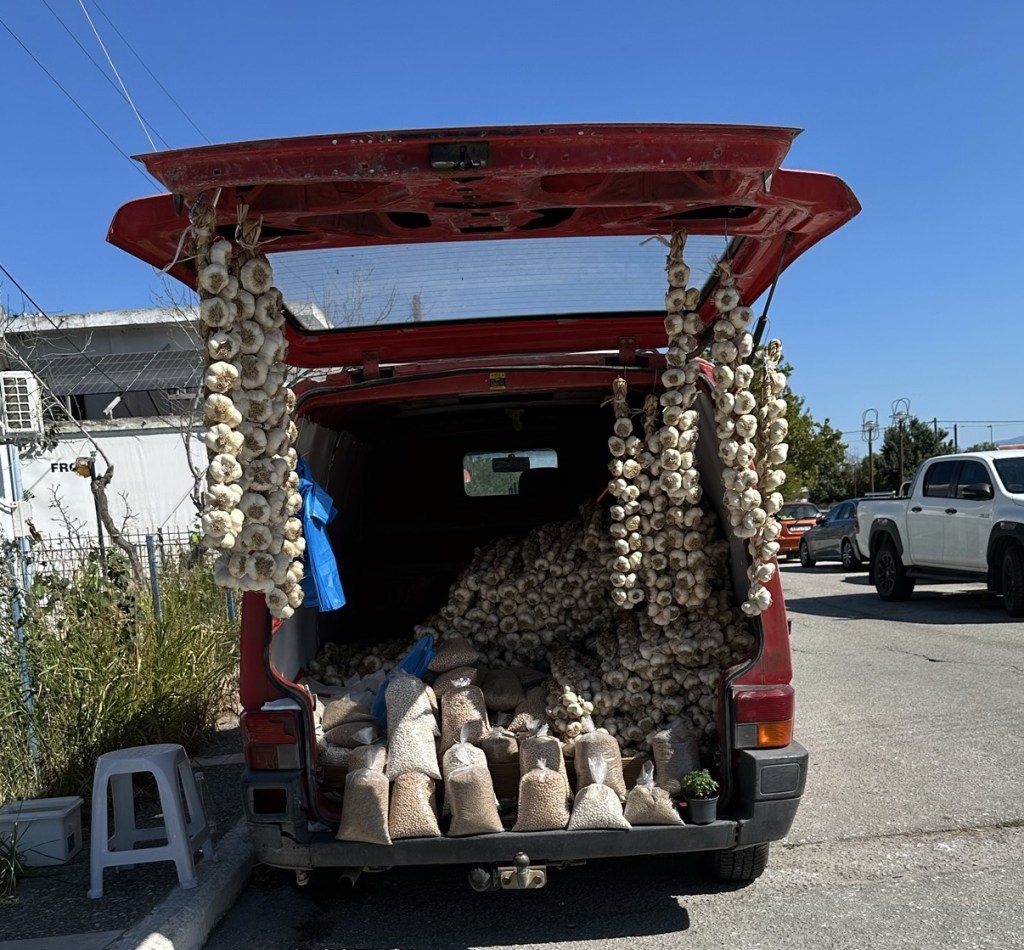
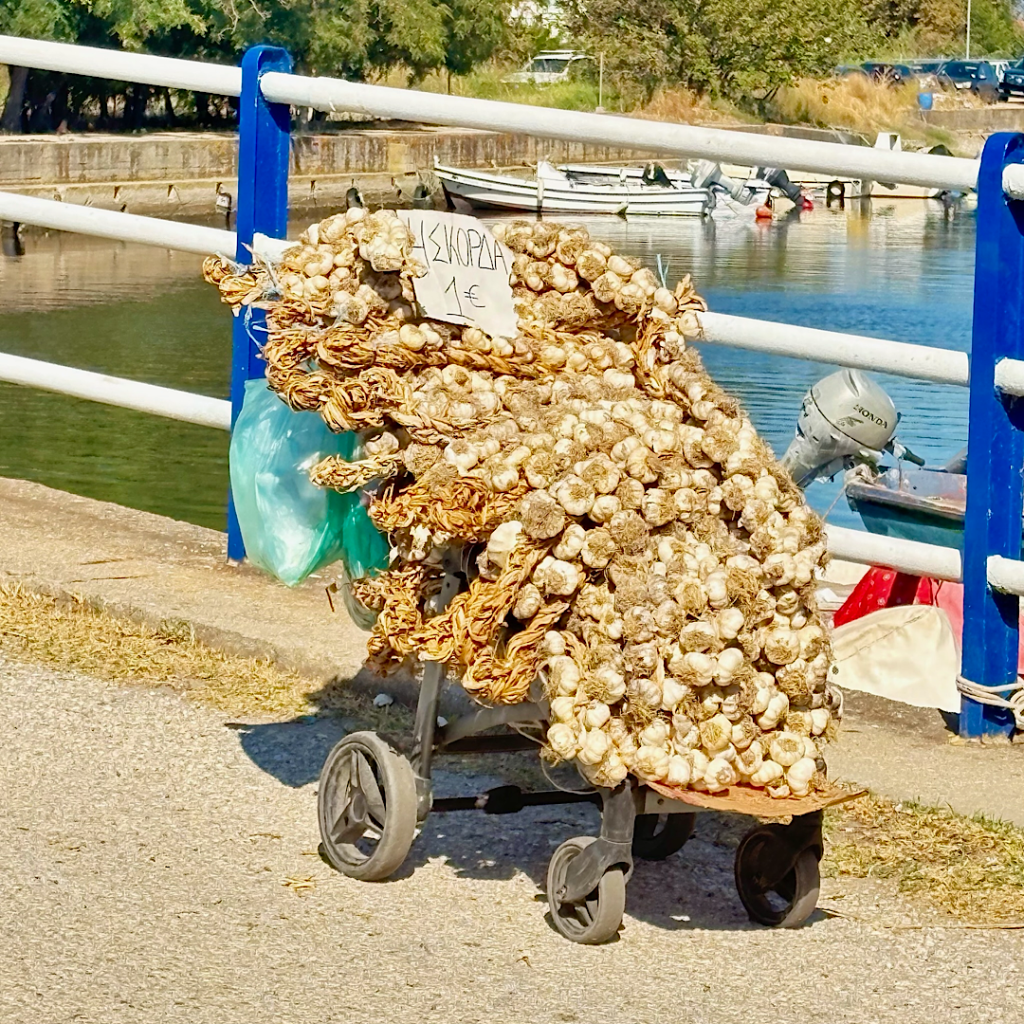
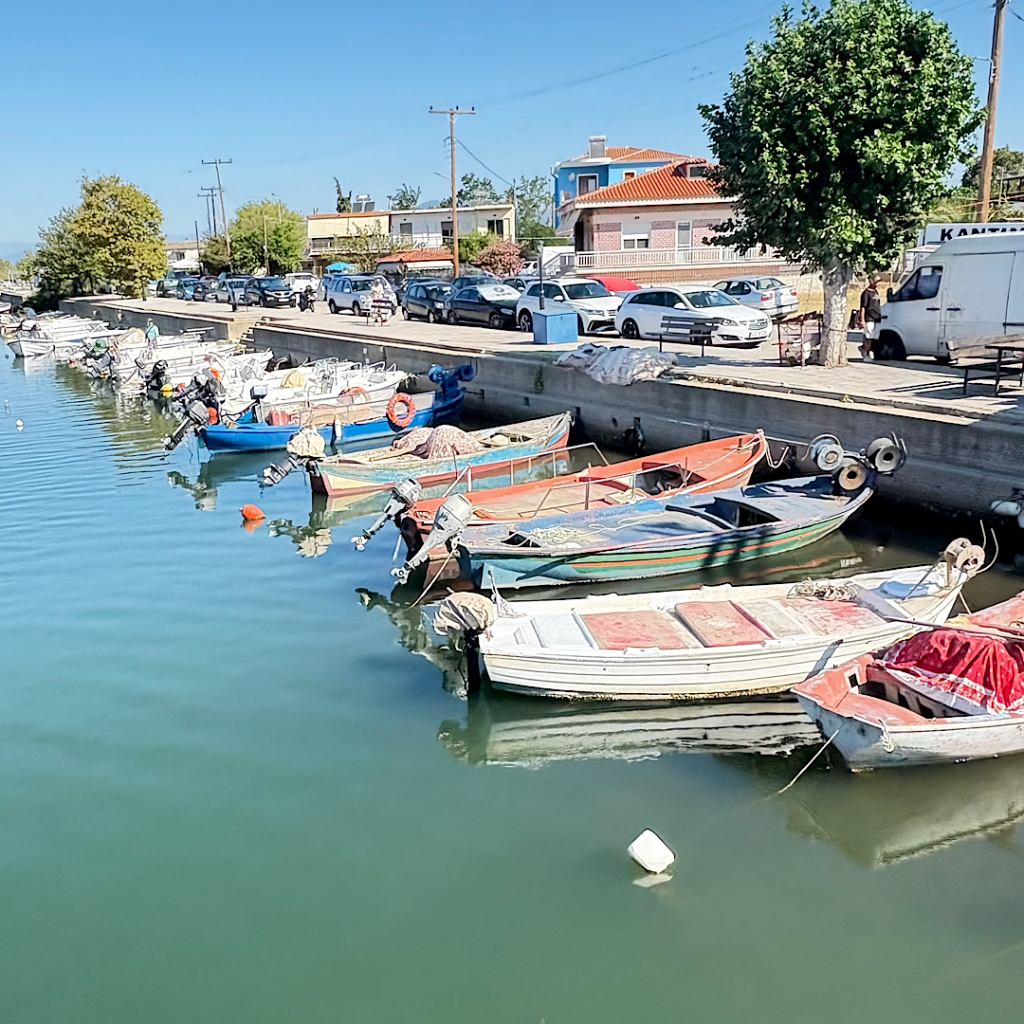
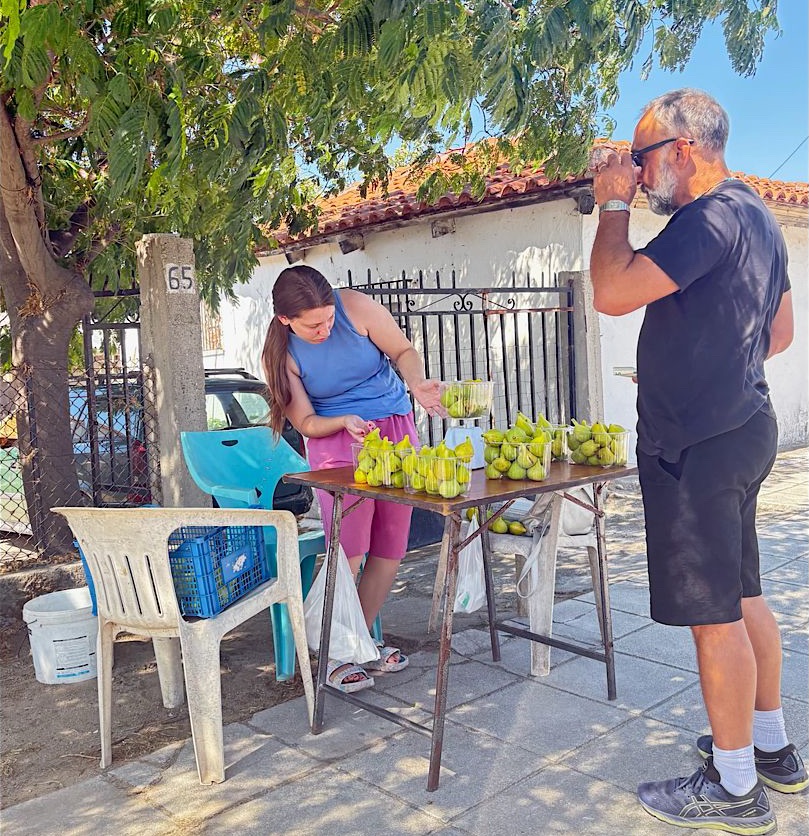
First stop was Port Lagos where we happened upon a large weekly market. Does a thriving street market packed with vendors on a hot August Sunday morning indicate a healthy economy? That depends on the metric. There was a huge amount of activity but my sense was that there were more people selling than buying. If people were paying with cards, I didn’t see it. This is a cash economy! The level of economic activity and general economic conditions across Thrace is lower that what we have been used to in the Halkidiki. Everything is insanely affordable.
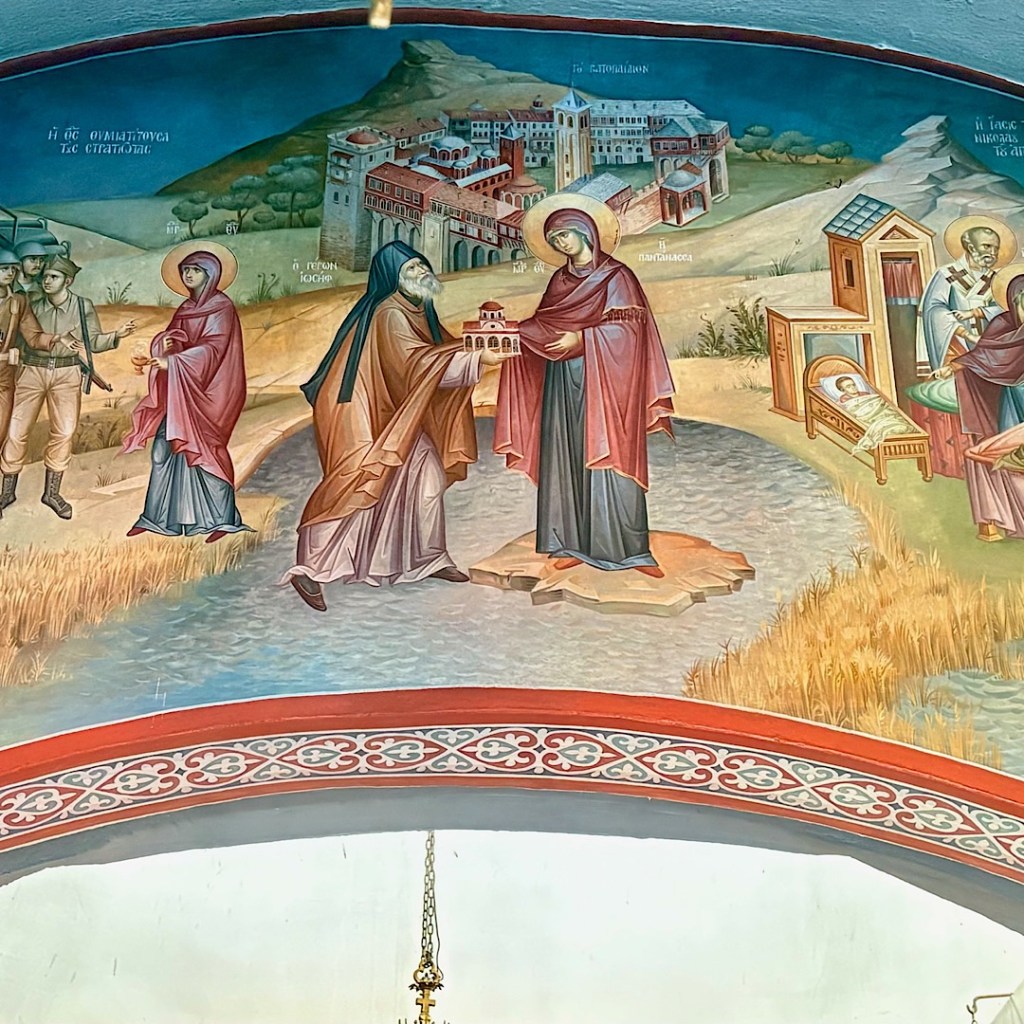
Holy Monastery of Saint Nicholas
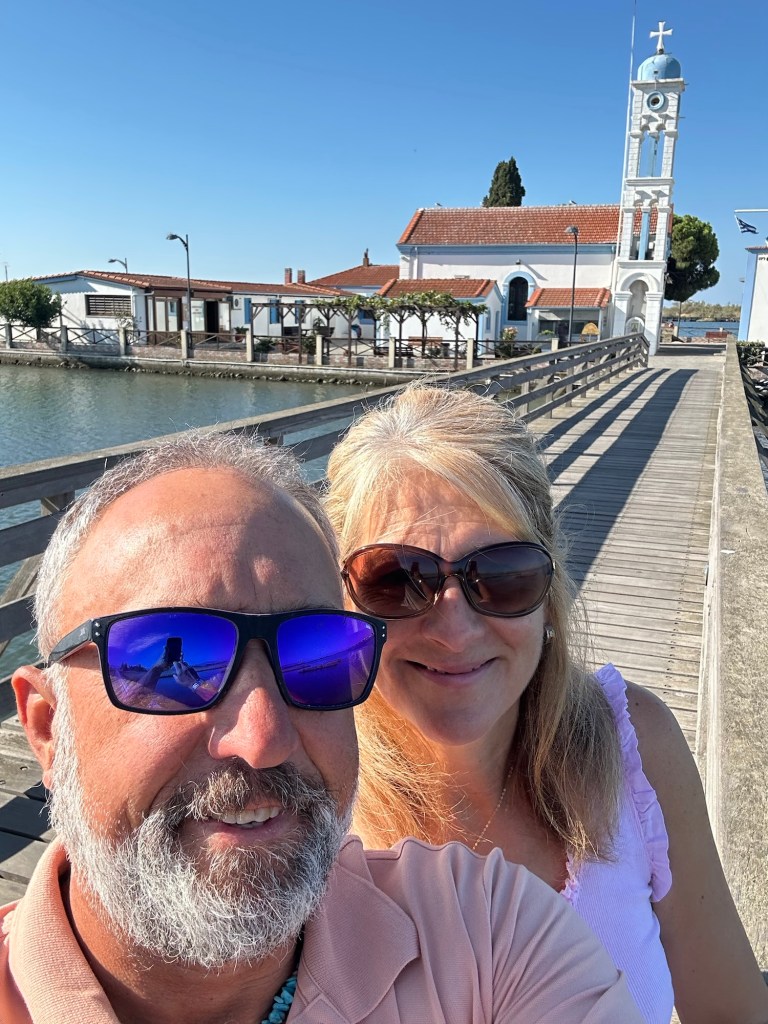
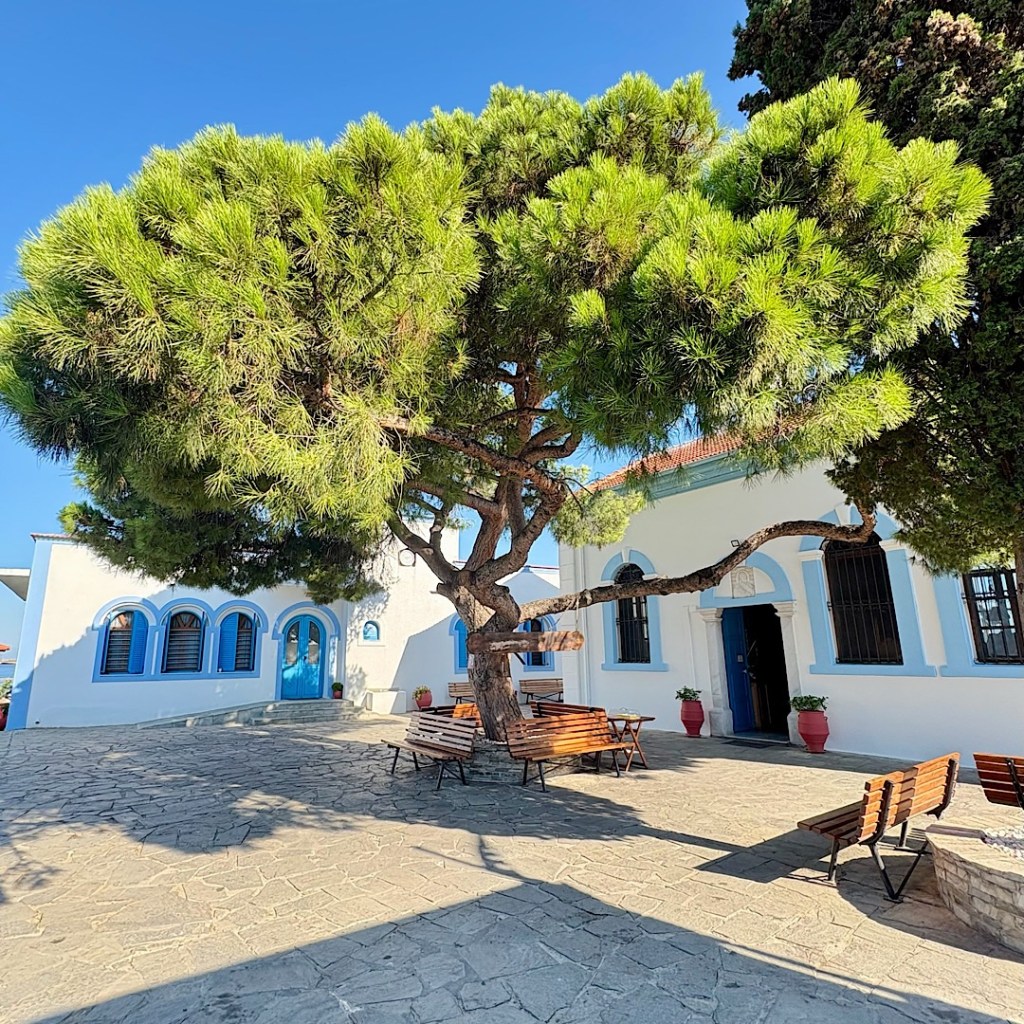
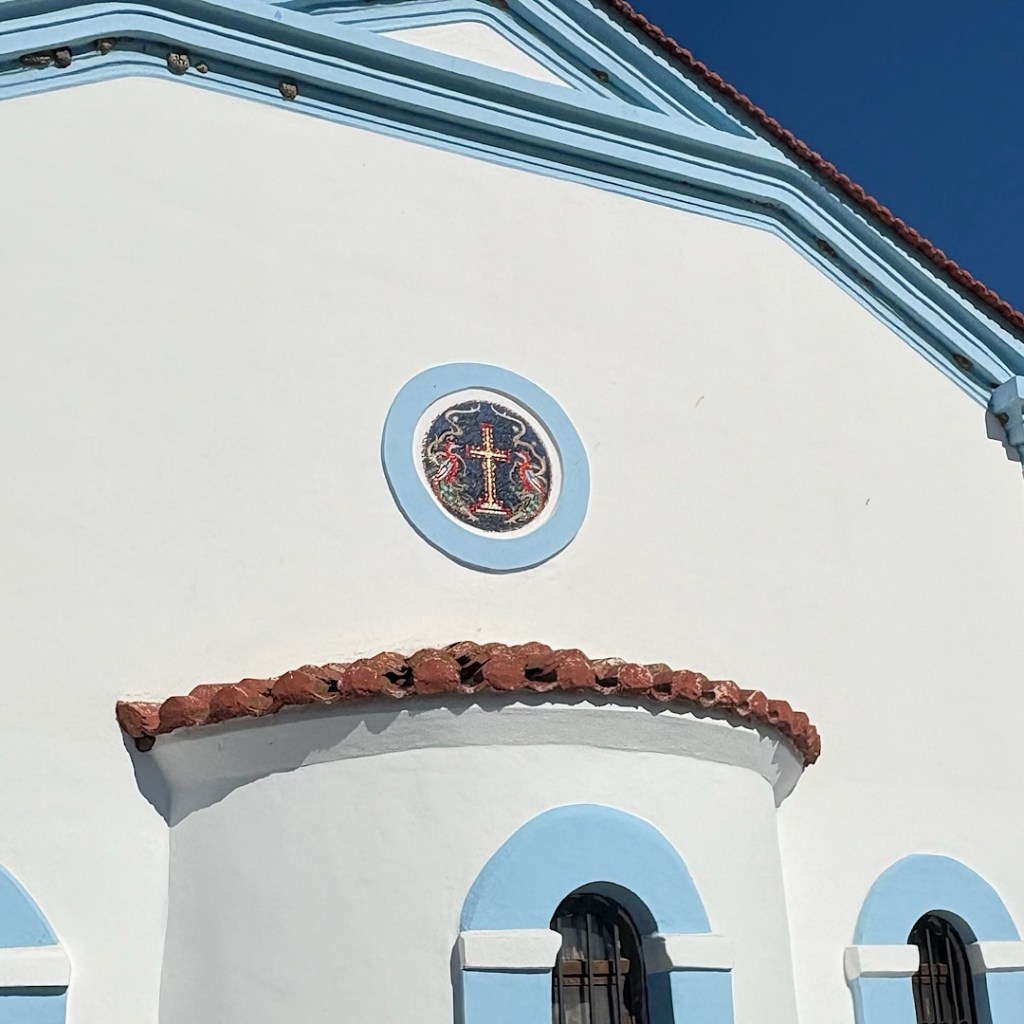
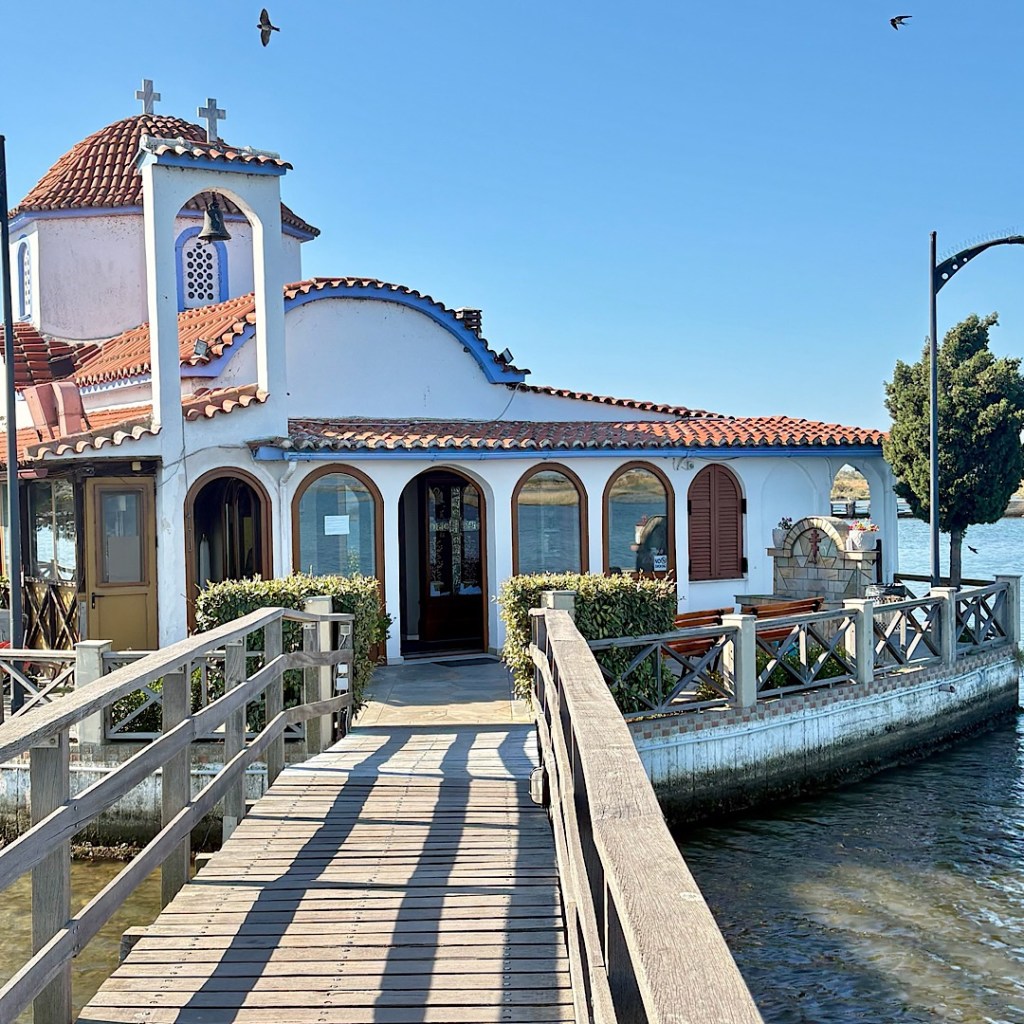
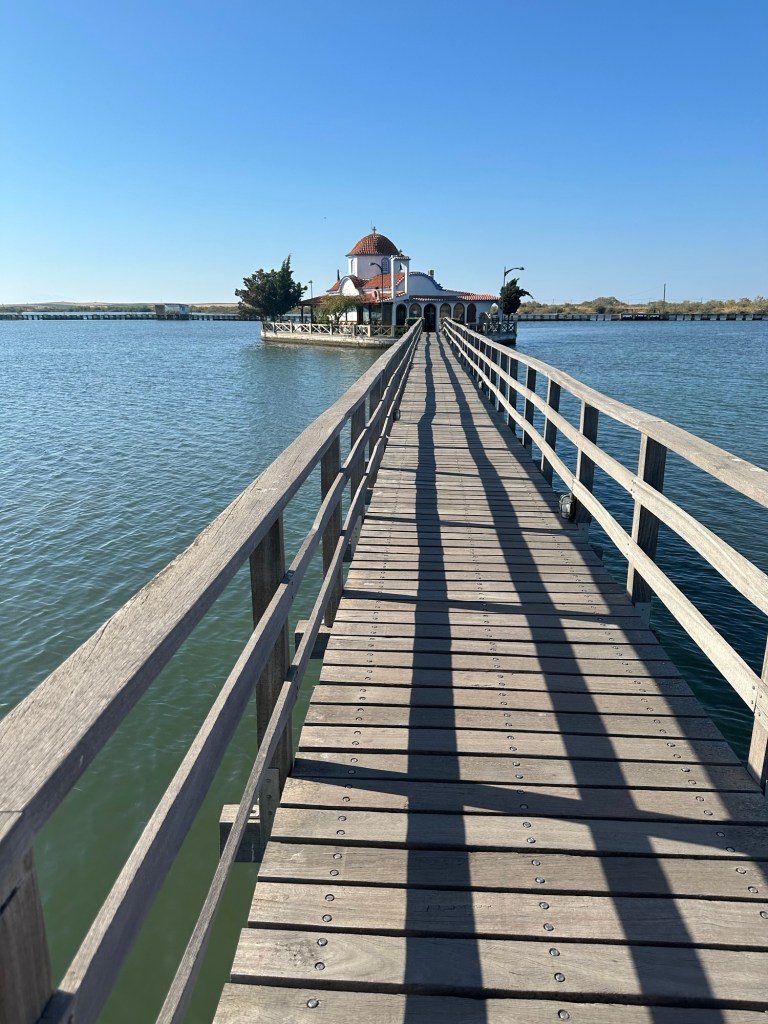
This monastery near Port Lagos (link) was an interesting stop. Fortunately we were there just at opening time so we had the place to ourselves with the exception of the gardeners. The church is in immaculate condition and maintained to a very high standard. There was no chipped paint or spoiled varnish. The setting is breathtaking as the fresh water lagoon it sits in teems with fish and crabs. I noticed a slight steady current which must have been a factor in the choice of its location. It is one of the main tourist stops in Nestos National Park and Lake Vistonidas. A must visit if you come to Thrace.
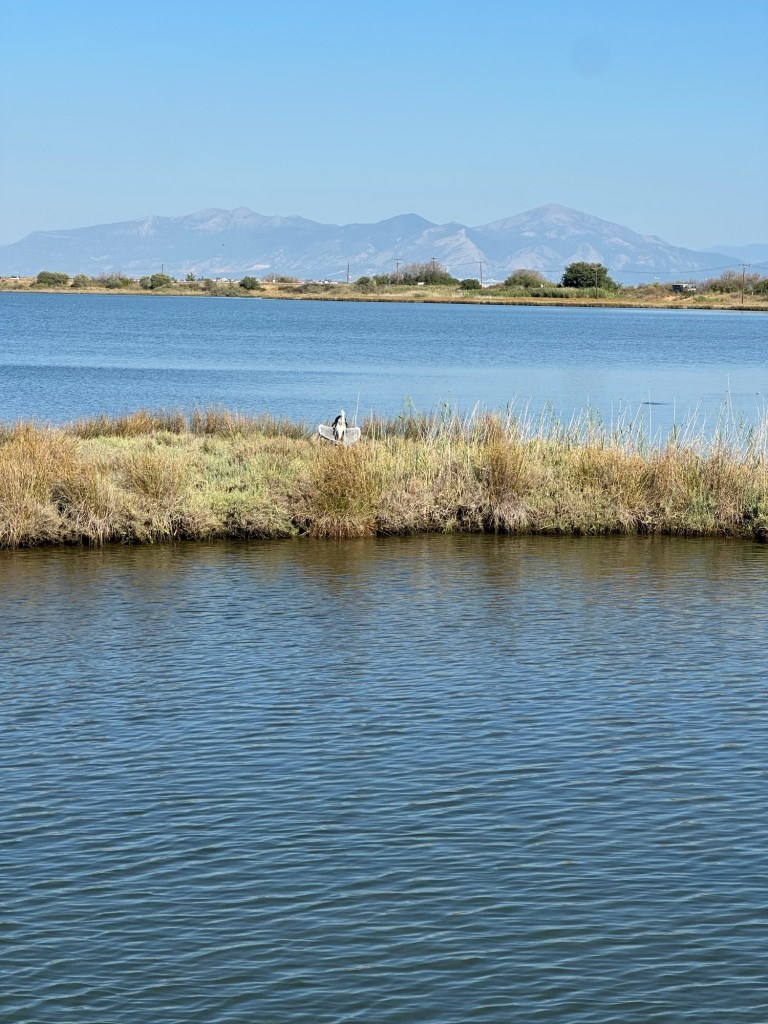
Our next destination was the Vistonida Lake Educational Centre which Google maps indicated to us was closed permanently. Regardless we were determined to find it and despite adequate signposting failed miserably. Another indication that at one time the public money flowed freely to support the tourist trade. Like the soil this time of year that’s well and truly dried up.
What we did drive through were miles and miles of well irrigated farmland. Field after field of corn, potatoes, cotton and interestingly mulberry bushes for raising silkworms. One of the biggest revelations has been just how huge the agricultural economy is in Northern Greece. Food is prolific, of excellent quality and inexpensive. No wonder the Greeks live so long.
The agricultural methods appear to be severely constrained by lack of capital. The tractors, wagons and combines are for the most part ancient. It’s been a decade since I’ve seen square bales in the USA or UK which can be lifted by a man as opposed to a to round ones 15x the weight that can be only lifted machinery. As an optimist I see huge opportunity for technological advancements to increase crop yields for dramatically less physical effort such as GPS driven tractors.
The towns we drove through were so tired, as though almost no one lives there. Then magically we turned a corner and found a town square with at least 300 plastic chairs setup around an elevated dance floor. The Greeks come out at night.
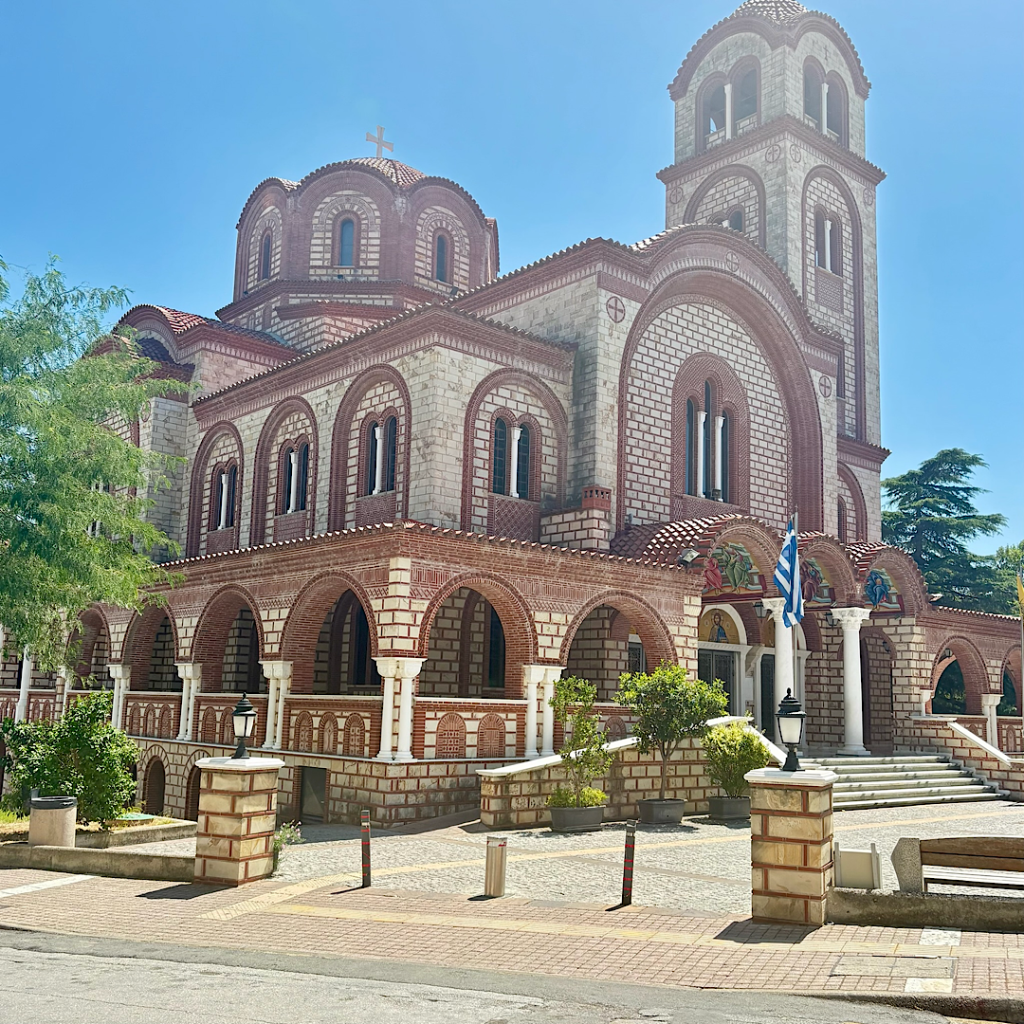
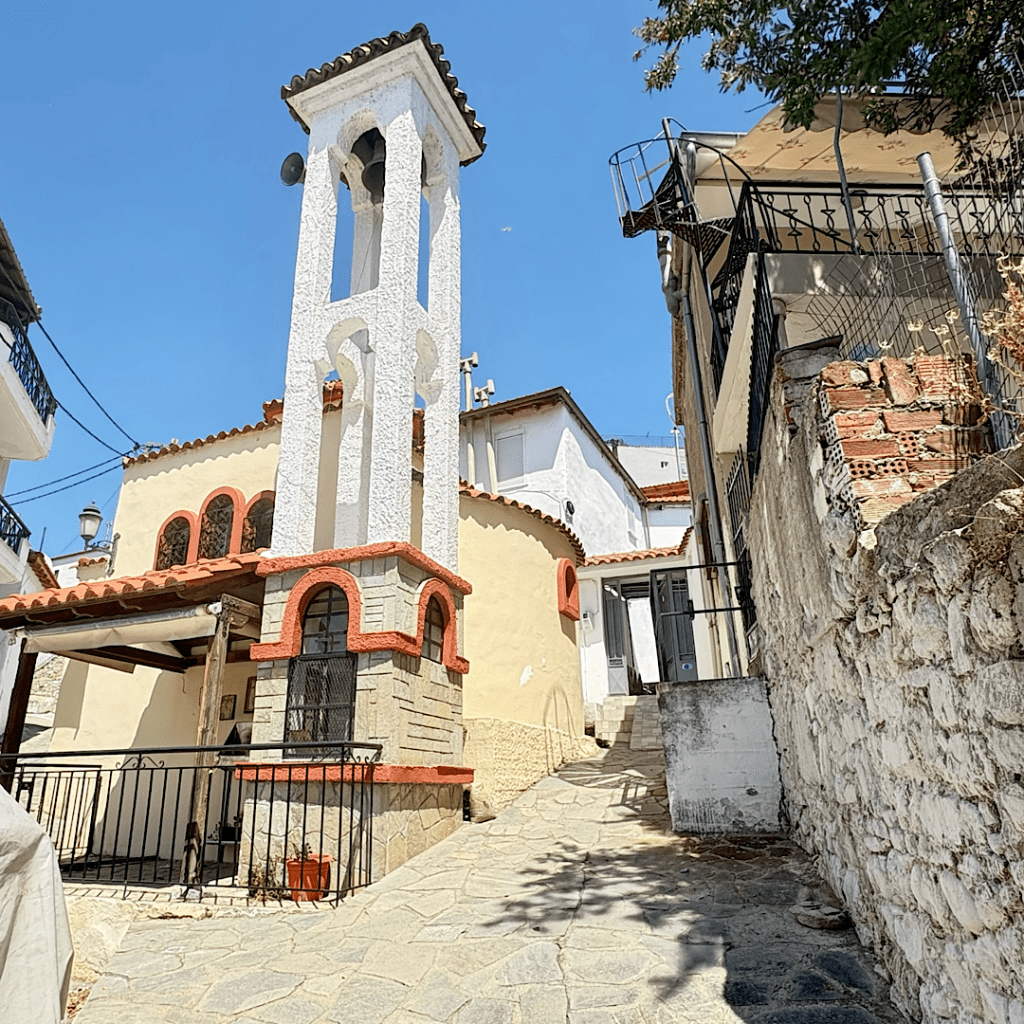
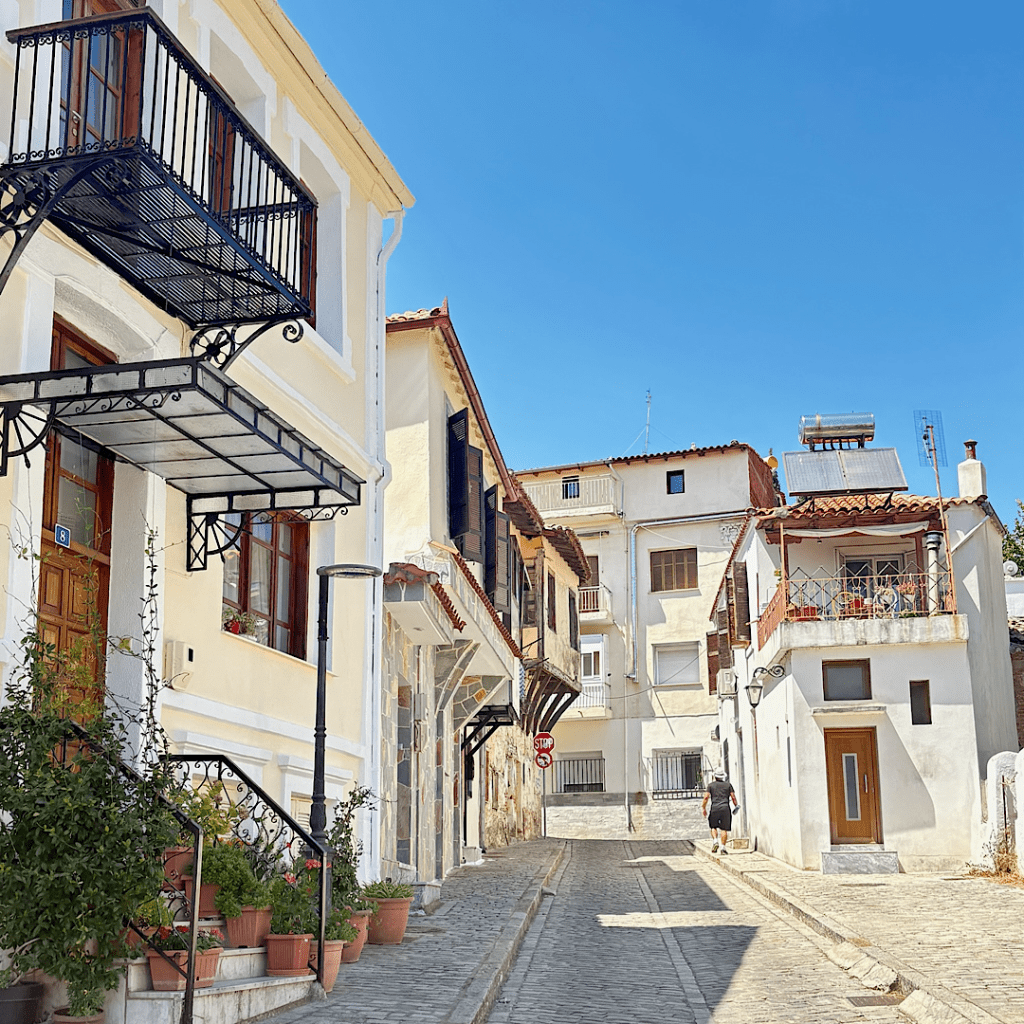
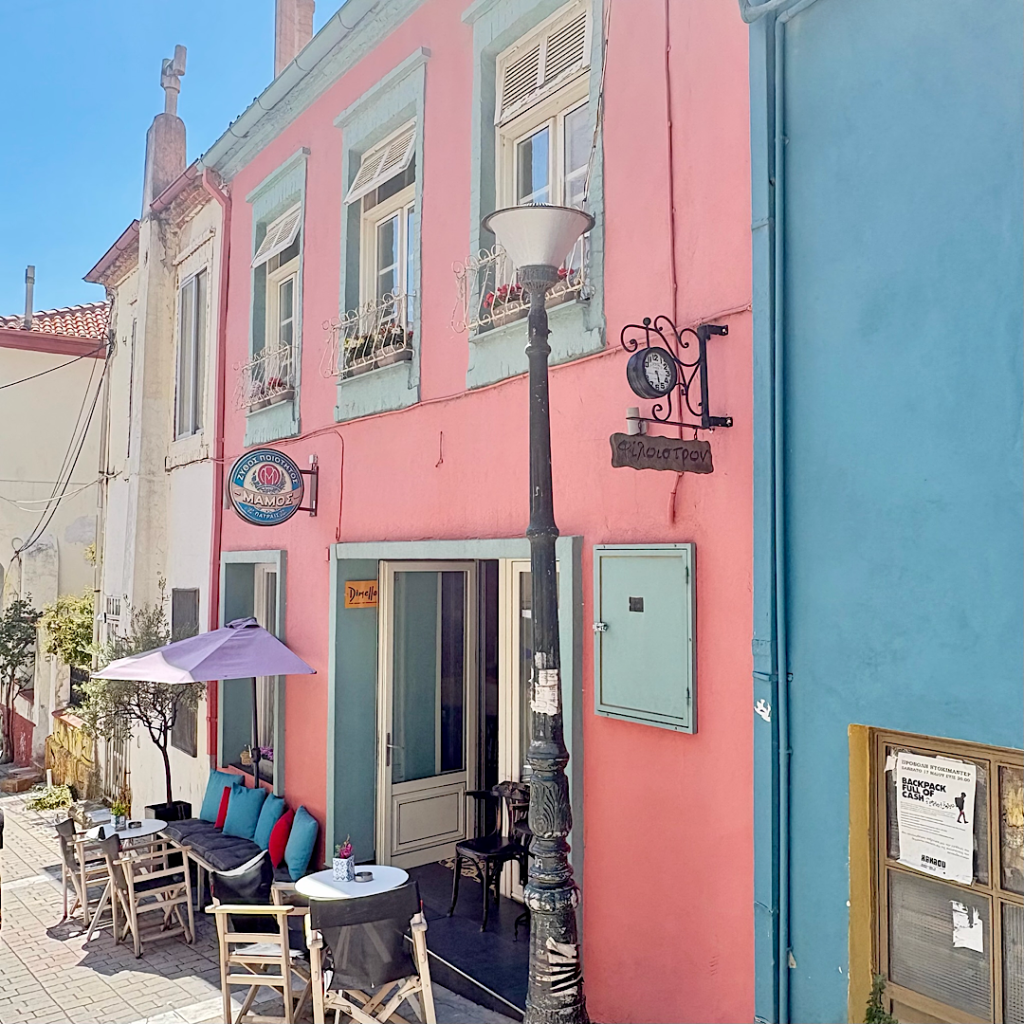
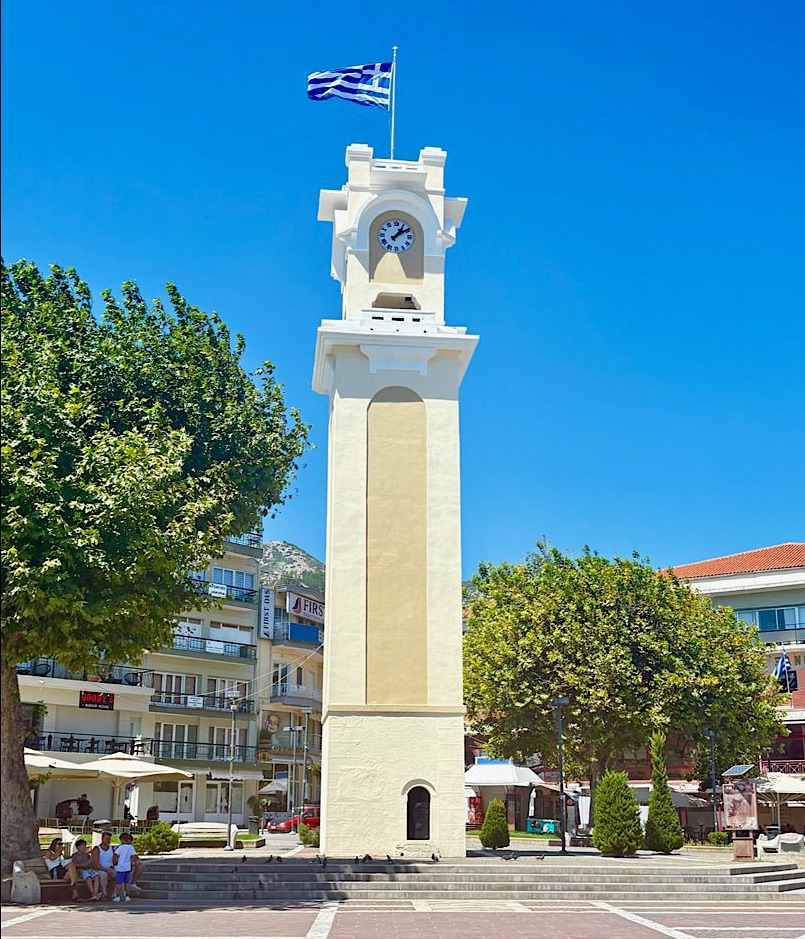
Xantia
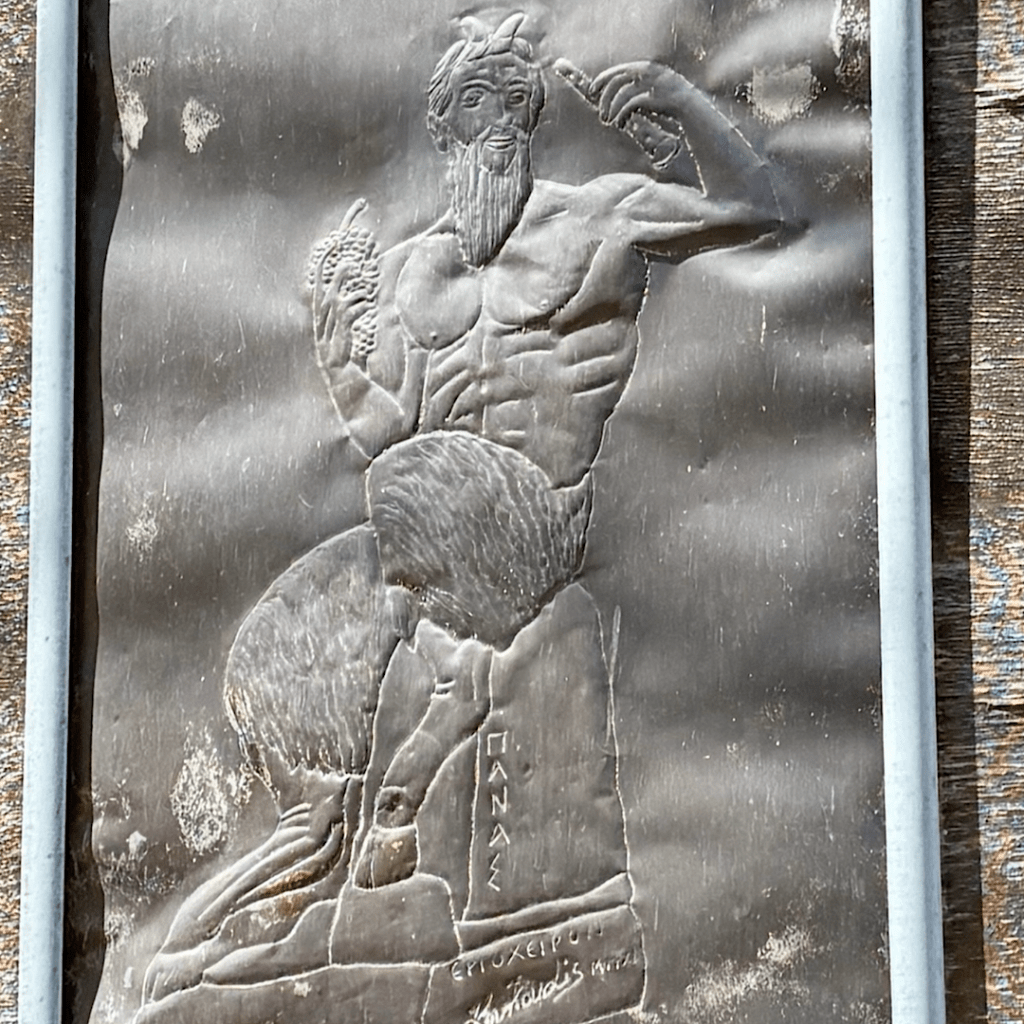
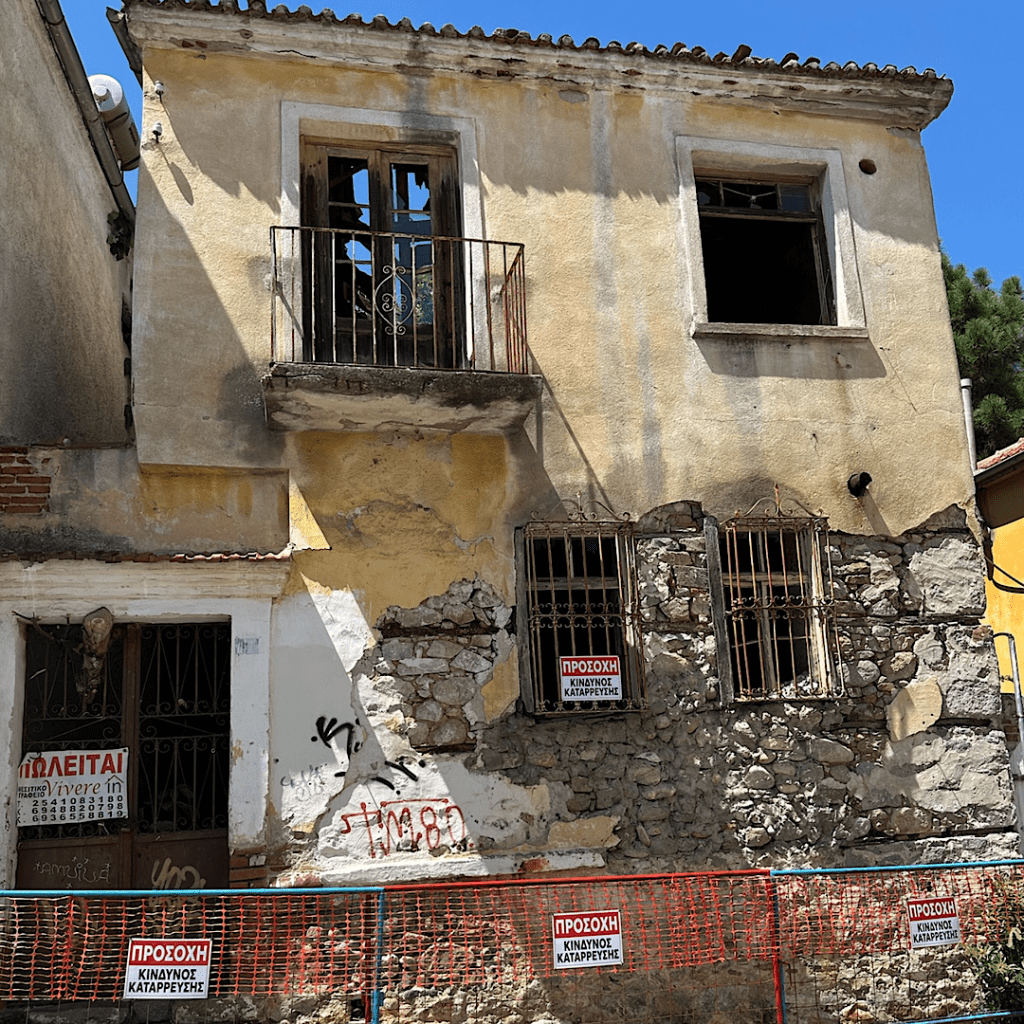
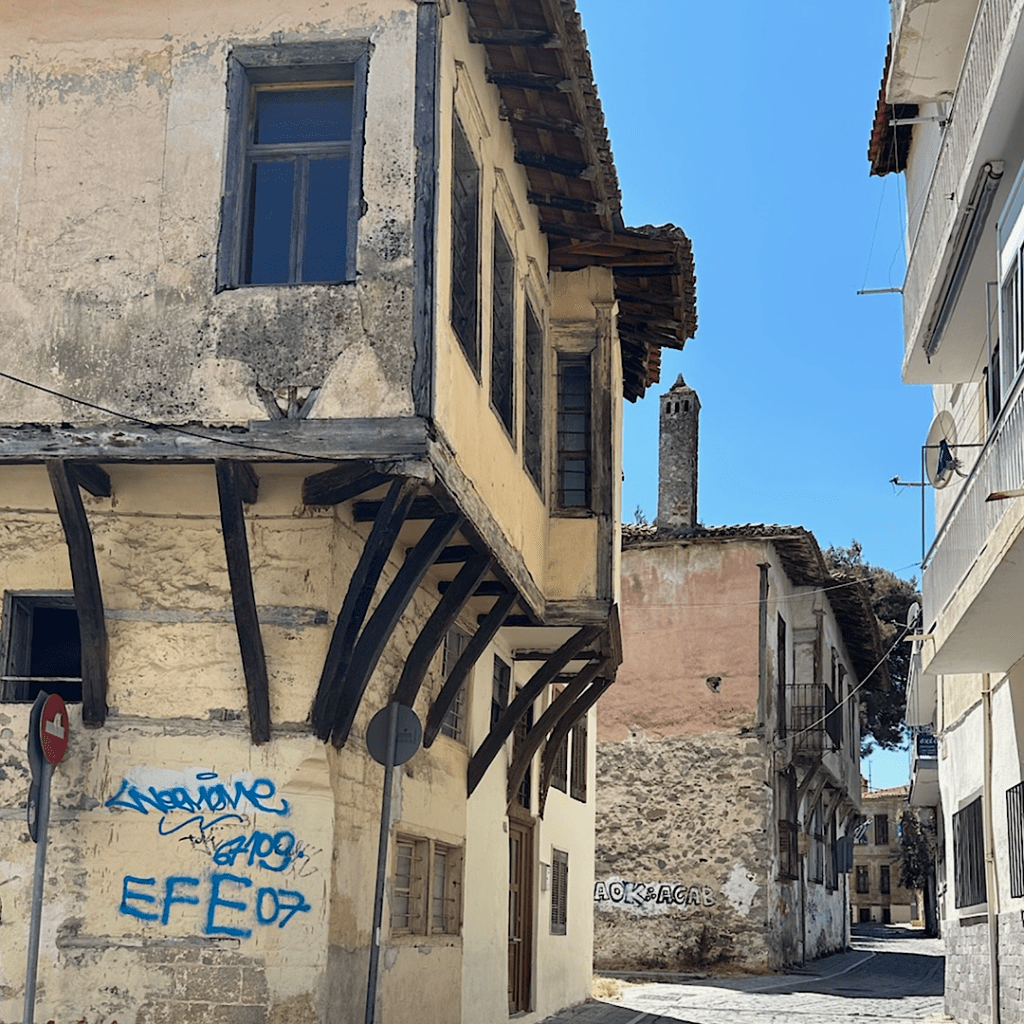
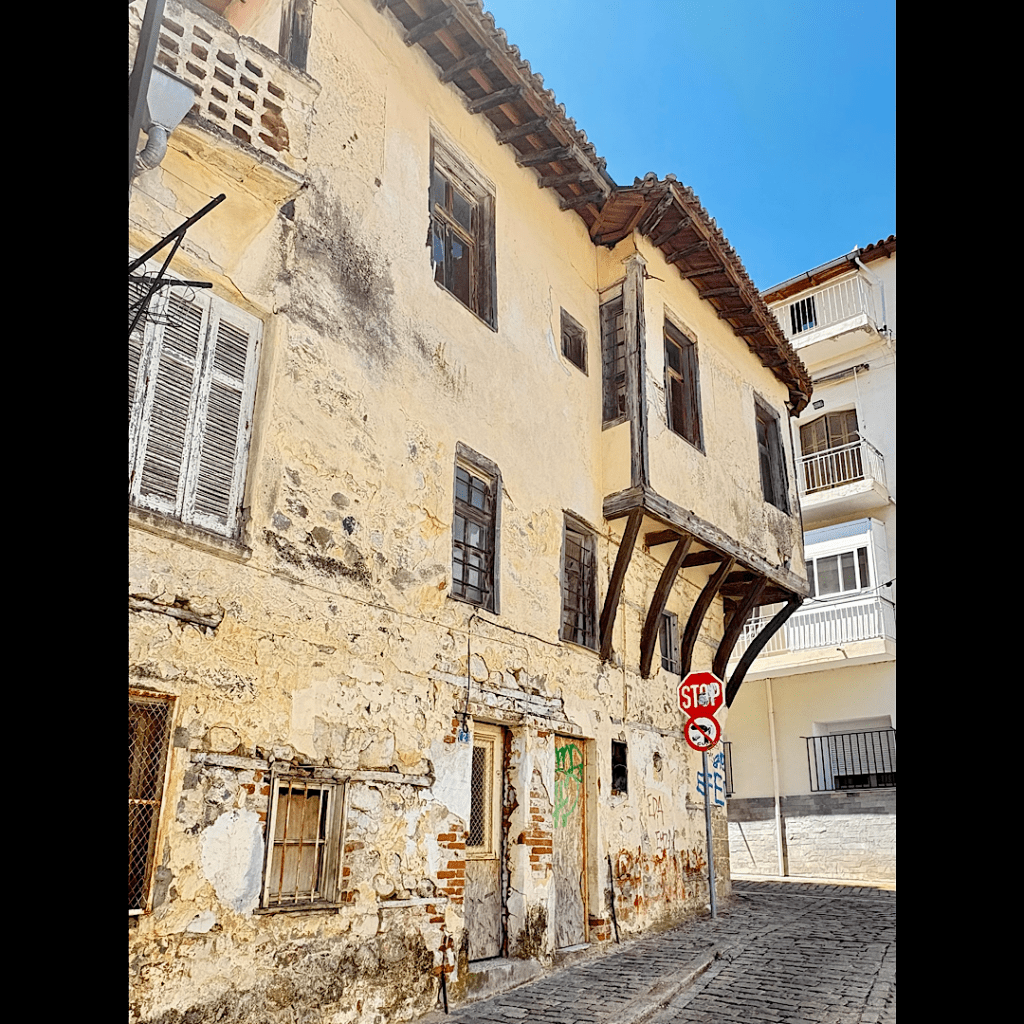
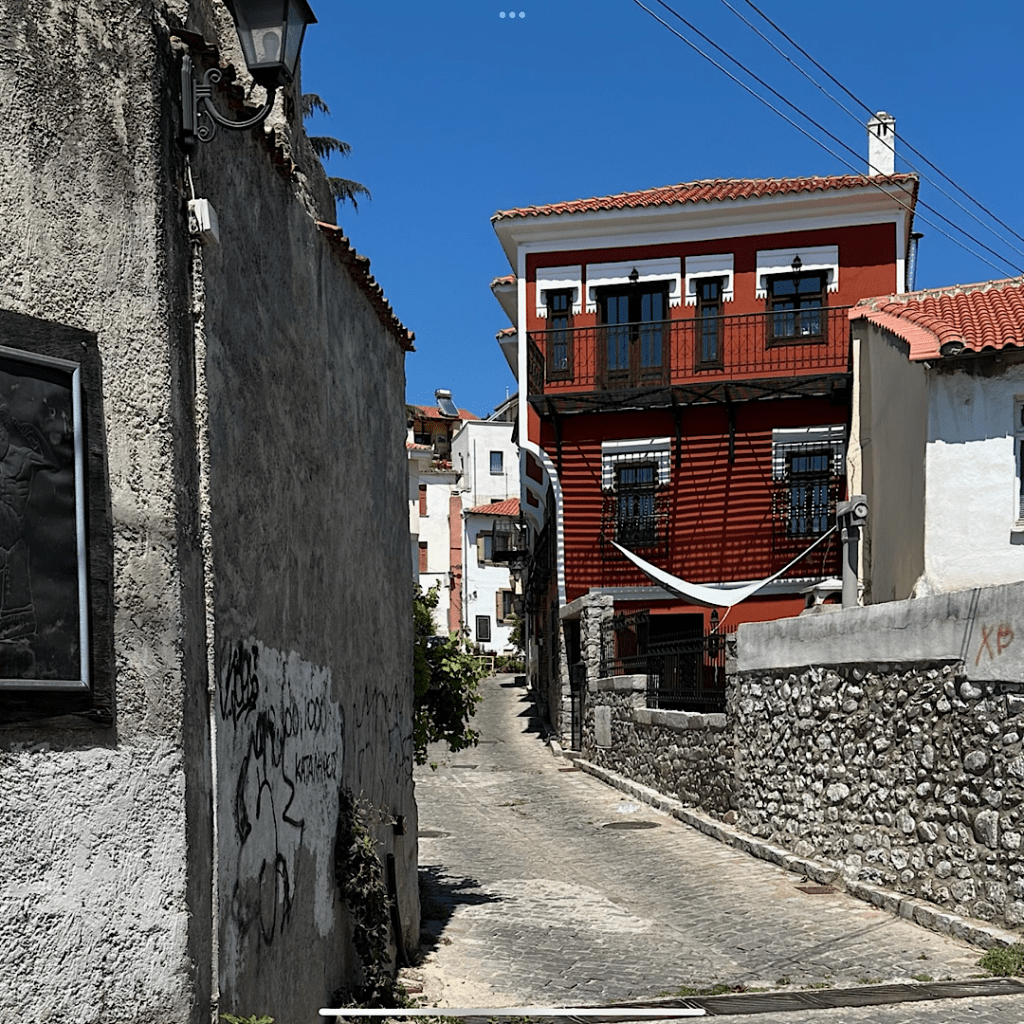
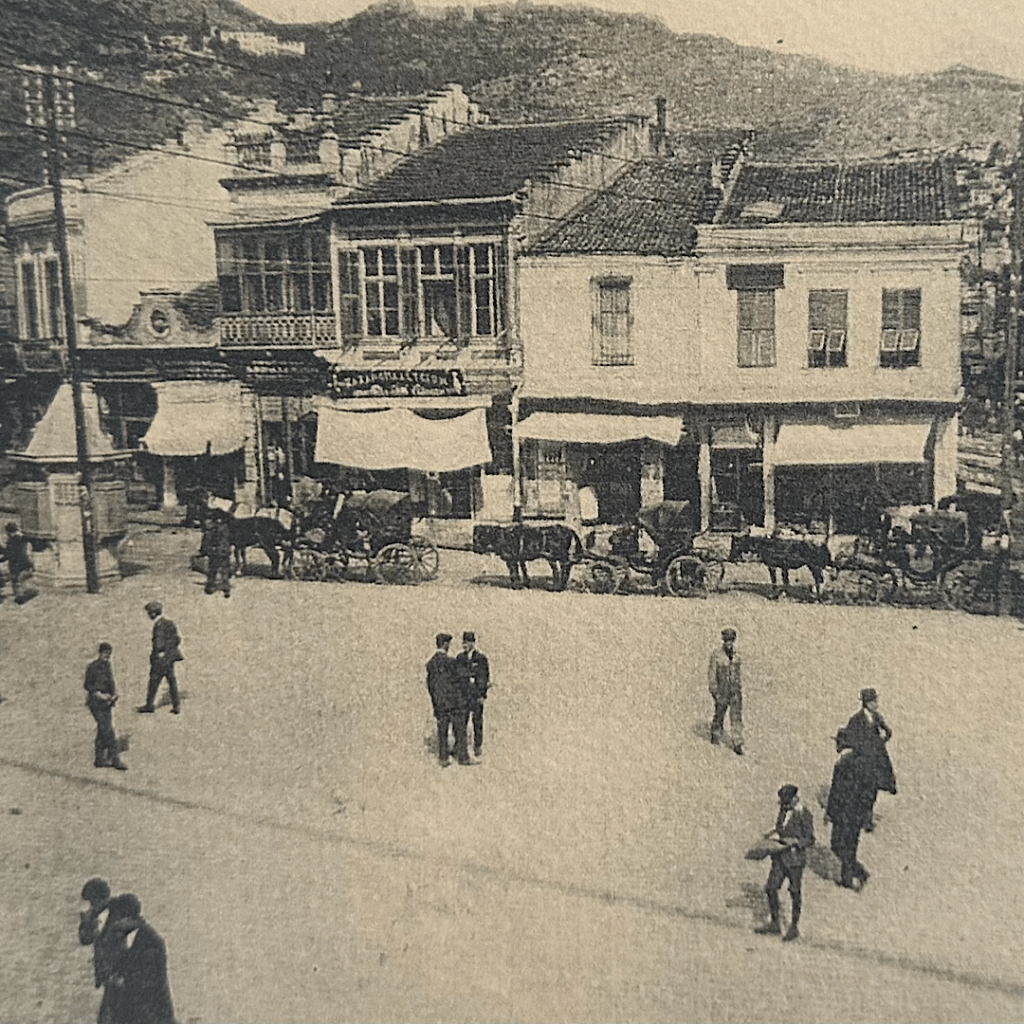
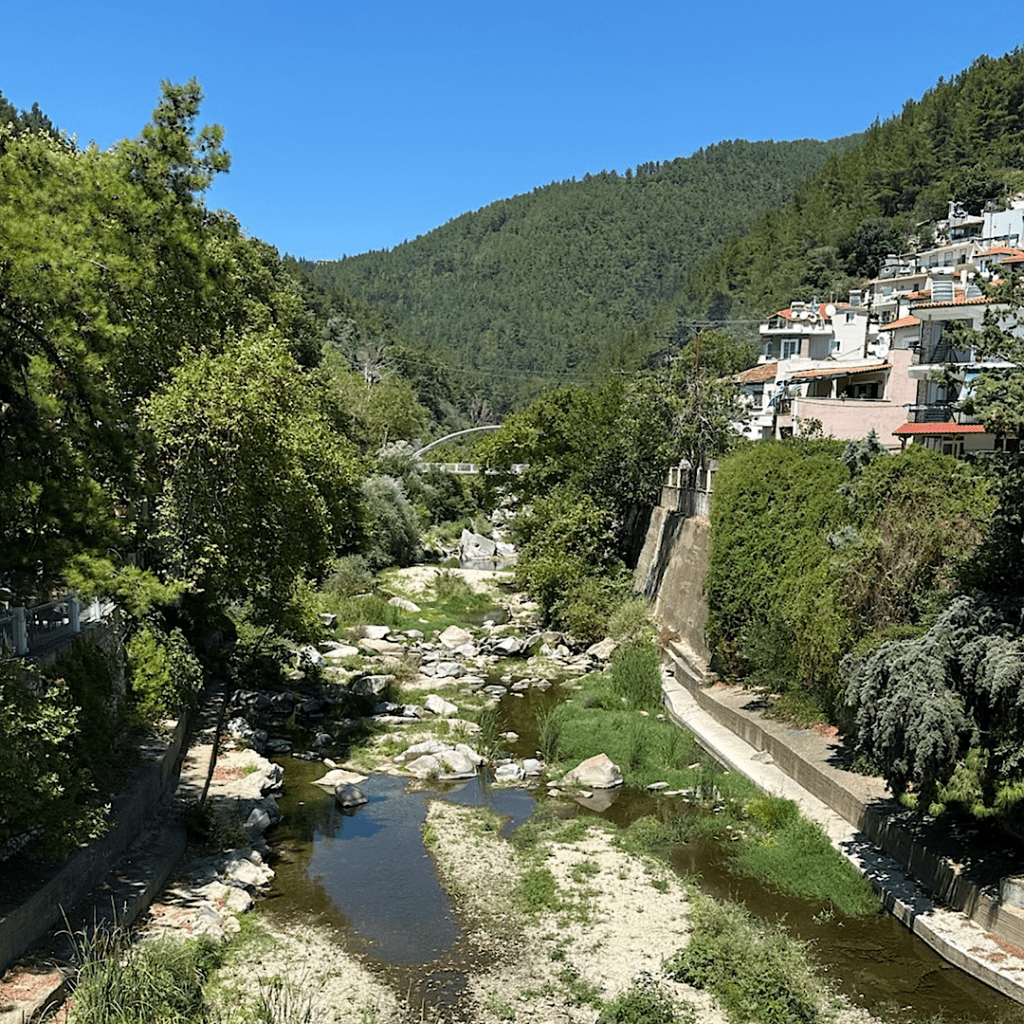
This city sits in a strategic position on one of the largest rivers that flows into Greece from Bulgaria. The old town has some magnificent architecture. It nestles into the foothills above the massive plain.

 Phil and Carolynn's travel adventures
Leave a comment