After leaving Glacier Bay we cruised 140 miles up the Chilkoot Inlet to the dock at Skagway.
This was the first port call, since boarding, where we could disembark and the one place that we had pre-booked a shore excursion.

Skagway is an interesting place historically. In the late 1890’s at the height of the Klondike Gold Rush, it was the main entry point for prospectors arriving in the area by sea seeking to reach the gold fields beyond Dawson City in Canada. At its peak there were over 10,000 residents, about 10 times its current population. Reaching Skagway was only the first part of a much longer journey. It was necessary to climb up and traverse the mountain range known as the Coast Mountains to Lake Bennett where a raft trip on the Yukon took one to Dawson City. In all, the journey from Skagway to Dawson was over 440 miles. Many did not make it.
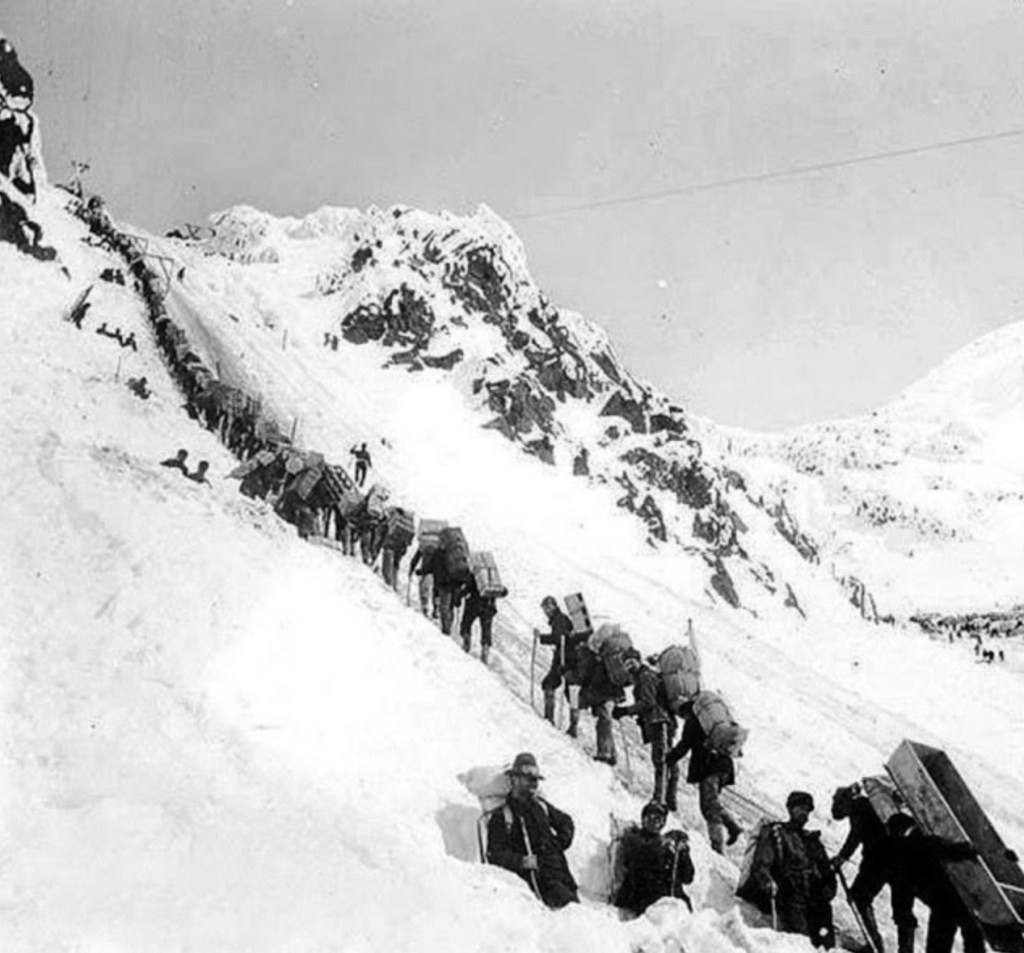
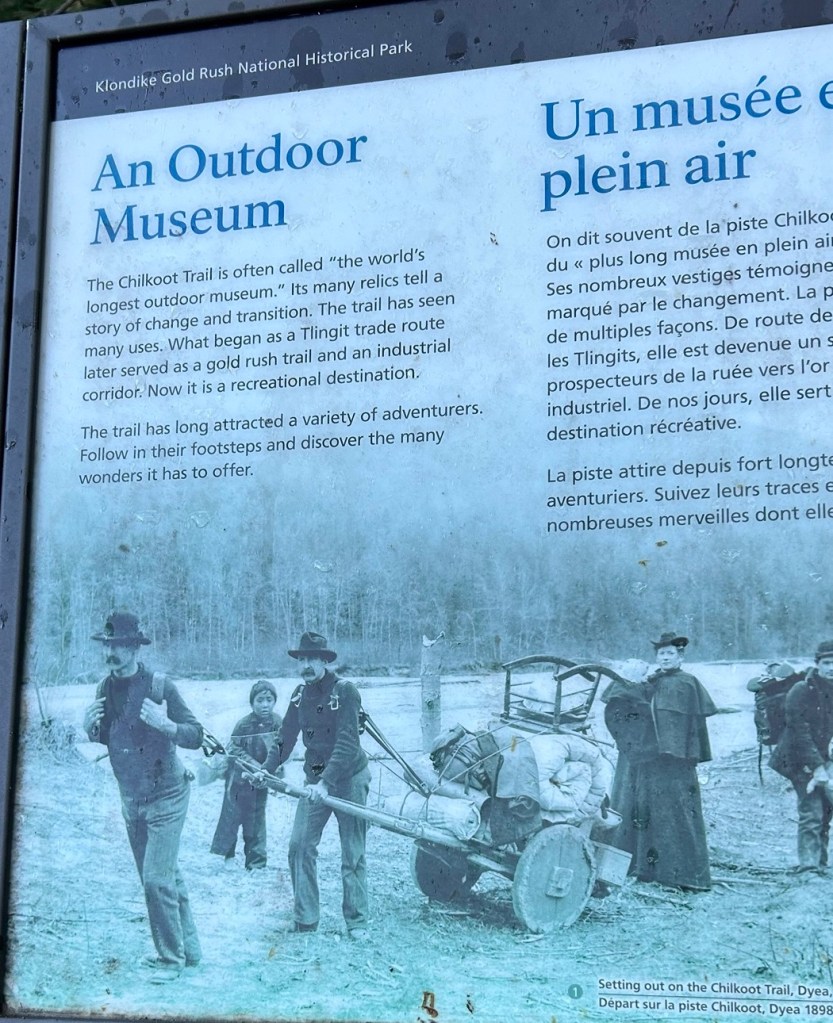
In 1897 the only passable pedestrian route through the mountains was the Chilkoot Trail. This ancient trading route for Alaskan natives quickly became the primary route from the coast to the Yukon. Here’s a reference from the National Park Service. https://www.nps.gov/klgo/planyourvisit/chilkoottrail.htm
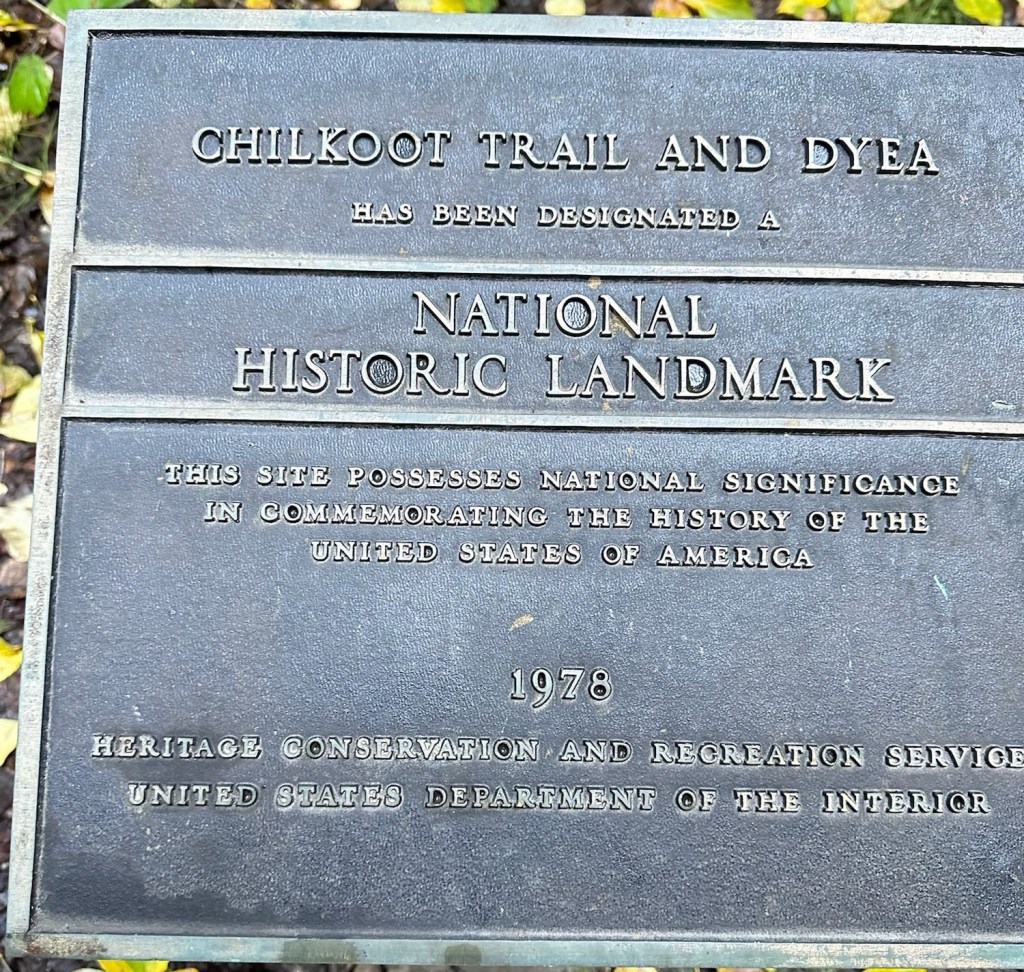
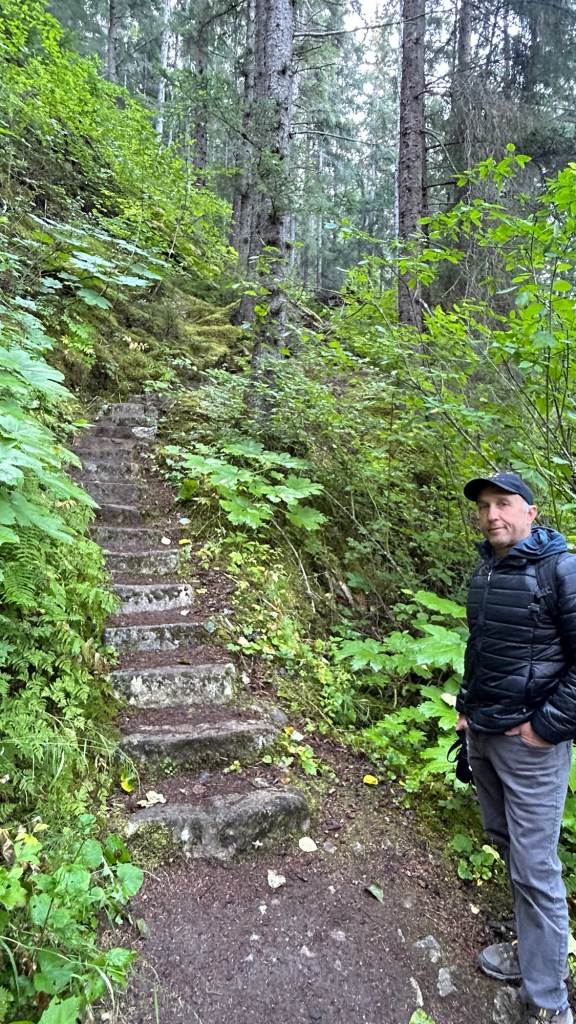
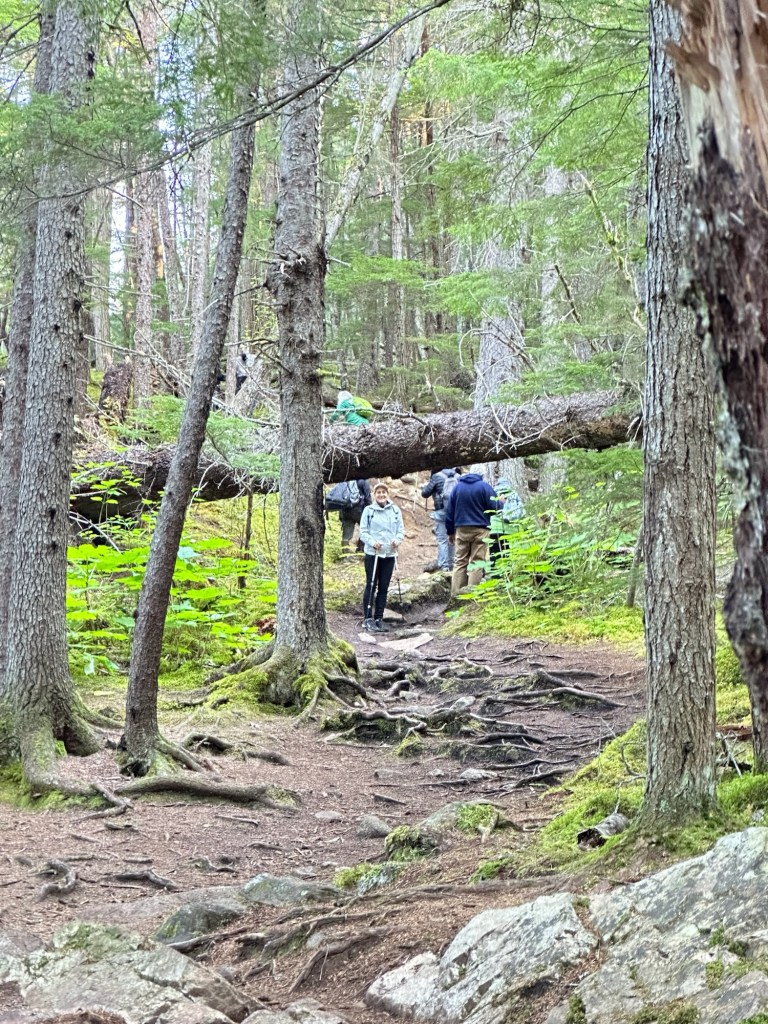
Our arranged excursion included an organised hike up the first part of this trail. The sun showed up and it turned into the perfect day for this type of activity.

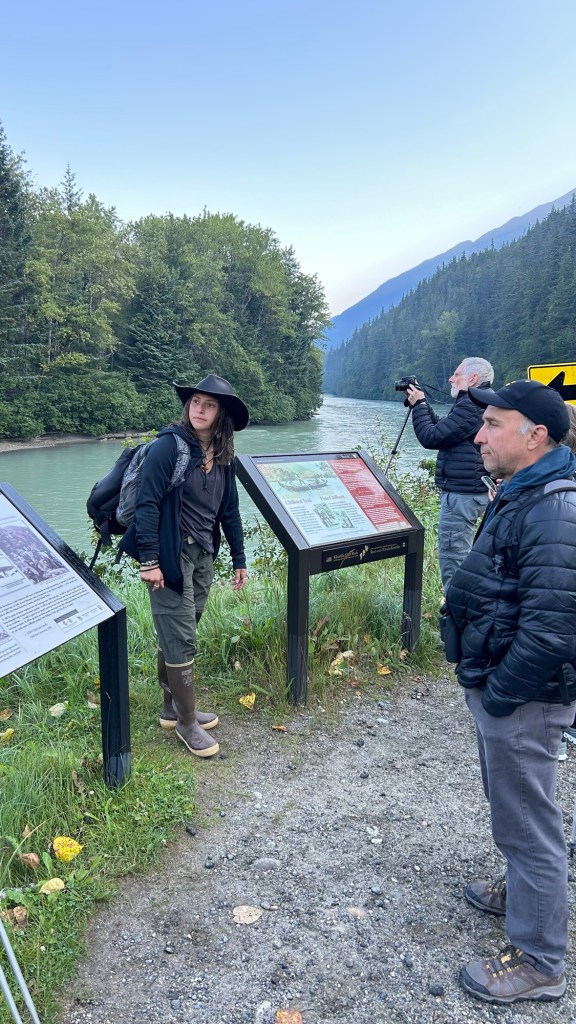


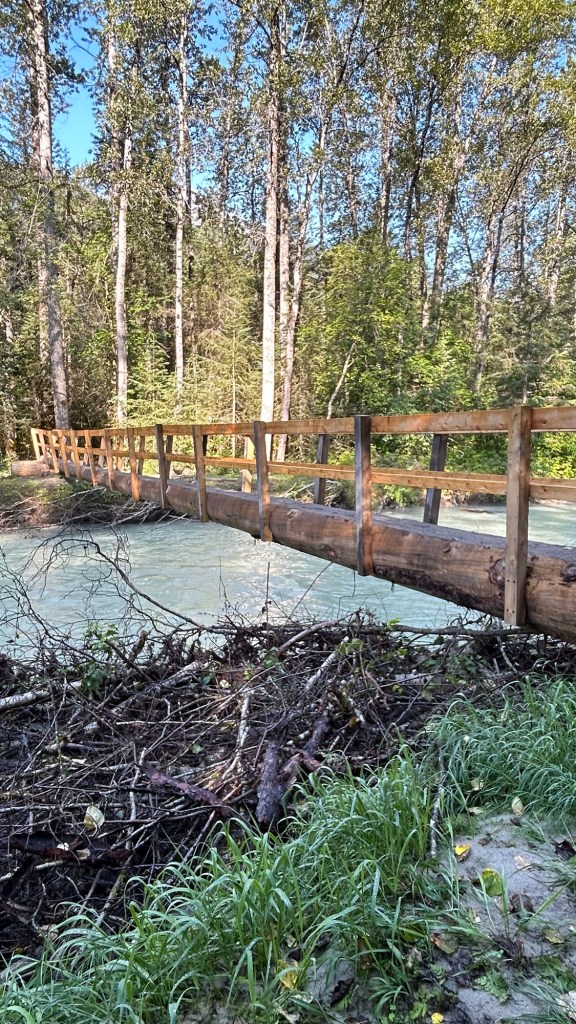
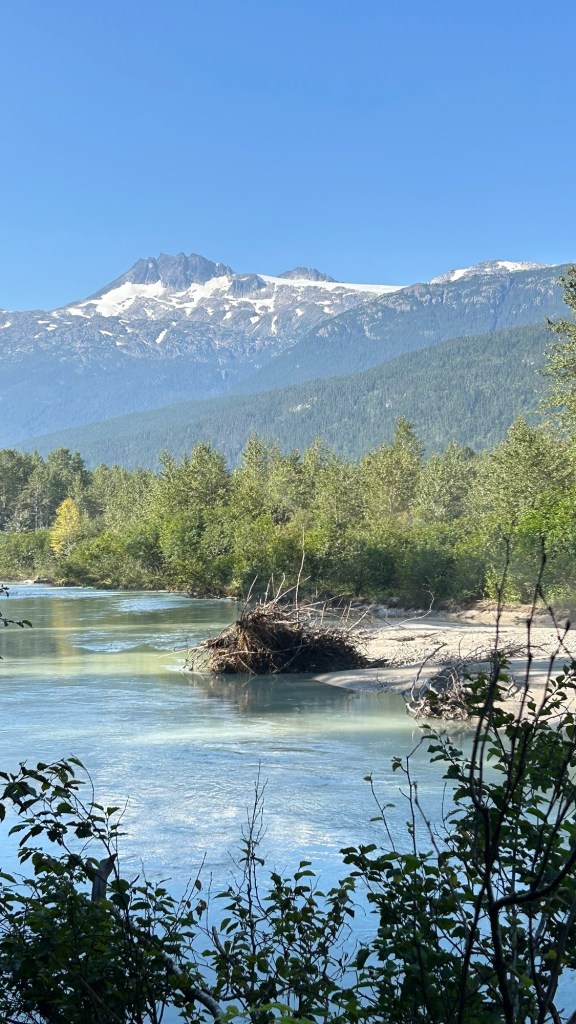
If prospectors reached Lake Bennett they then faced the next hurdle, the mighty Yukon River. This entailed constructing a boat, or more likely a raft, for the trip. The rivers in that area also flow fast and furious, swollen by the permanent supply of glacial run-off. The rapids are significant.
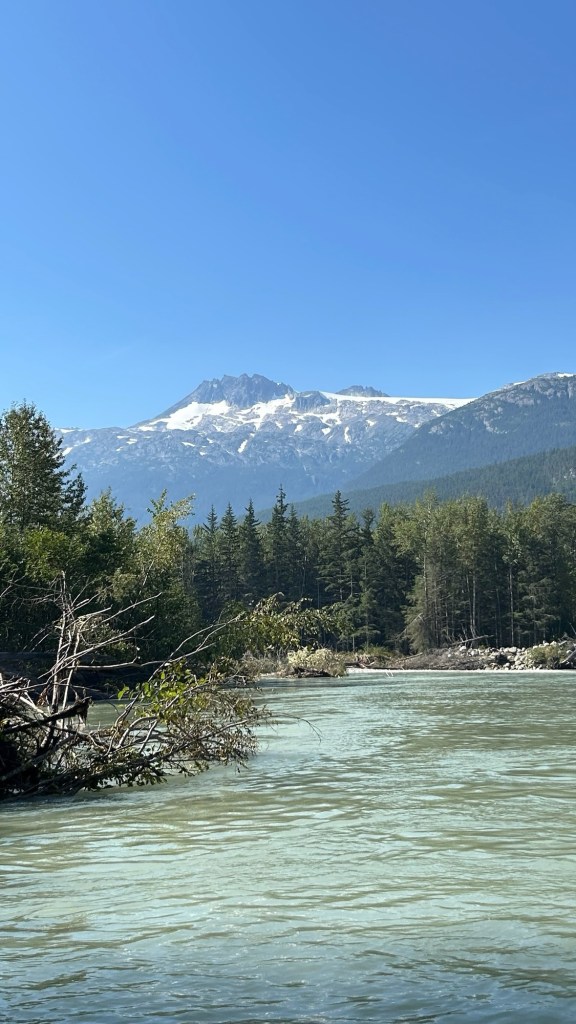
The second part of our excursion included a trip back down the mountian by raft, although in a calmer and much more easily flowing river.


As many prospectors perished on the trail or starved to death once they reached the Canadian interior the Canadian Govt required that each prospector carry with them a years worth of supplies. This was checked at the border. As the Chilkott trail was so rough a new route was sought out and this was known as White Pass. Initially it was used by prospectors dragging their supplies by pack animal but became known as the Valley of the Dead Horse for the number of fatalities. This in turn led to the building of a railroad which opened in 1899. The Chilkoot Trail became almost irrelevant overnight.
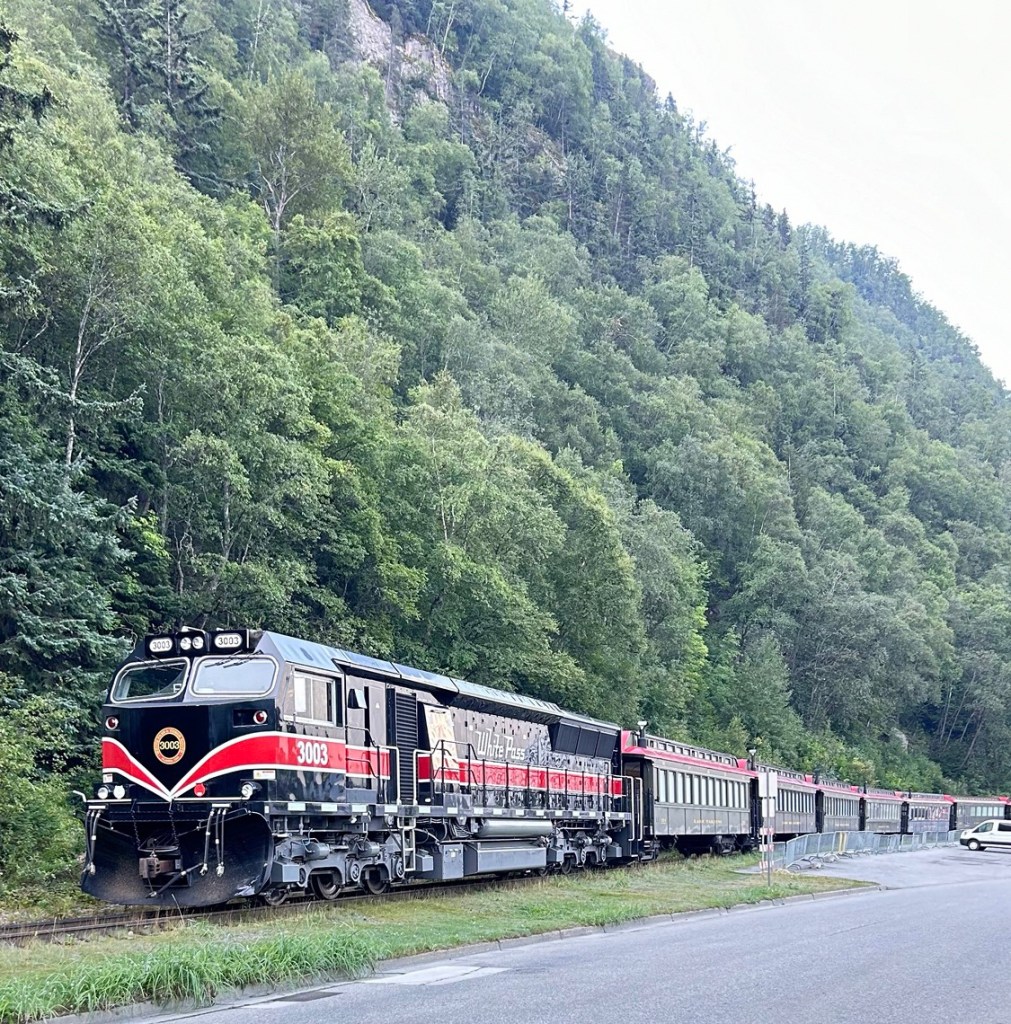
The White Pass and Yukon Route website –> https://wpyr.com/history/
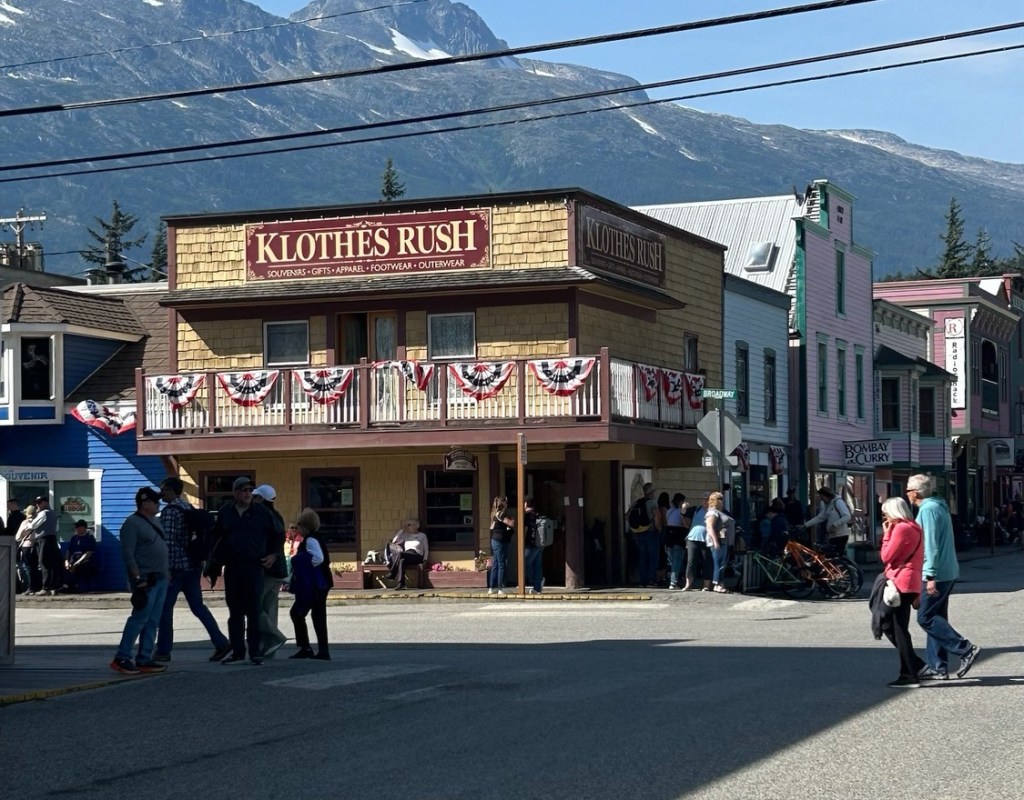
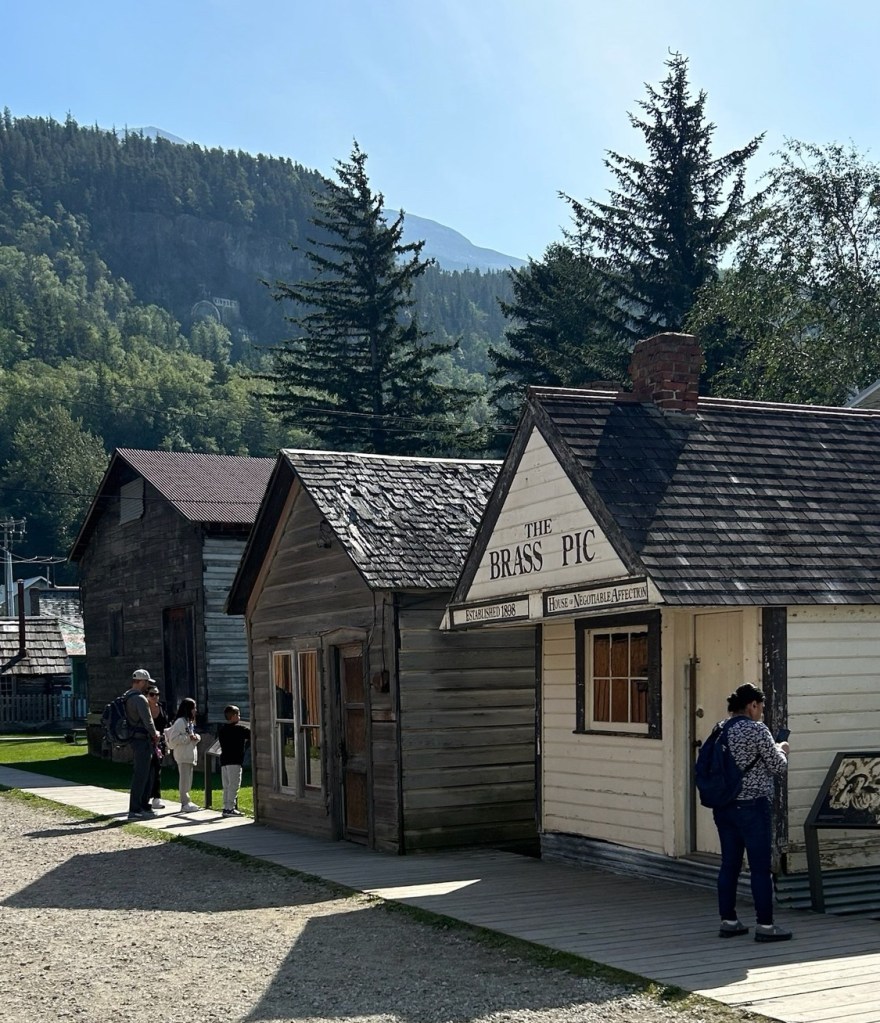
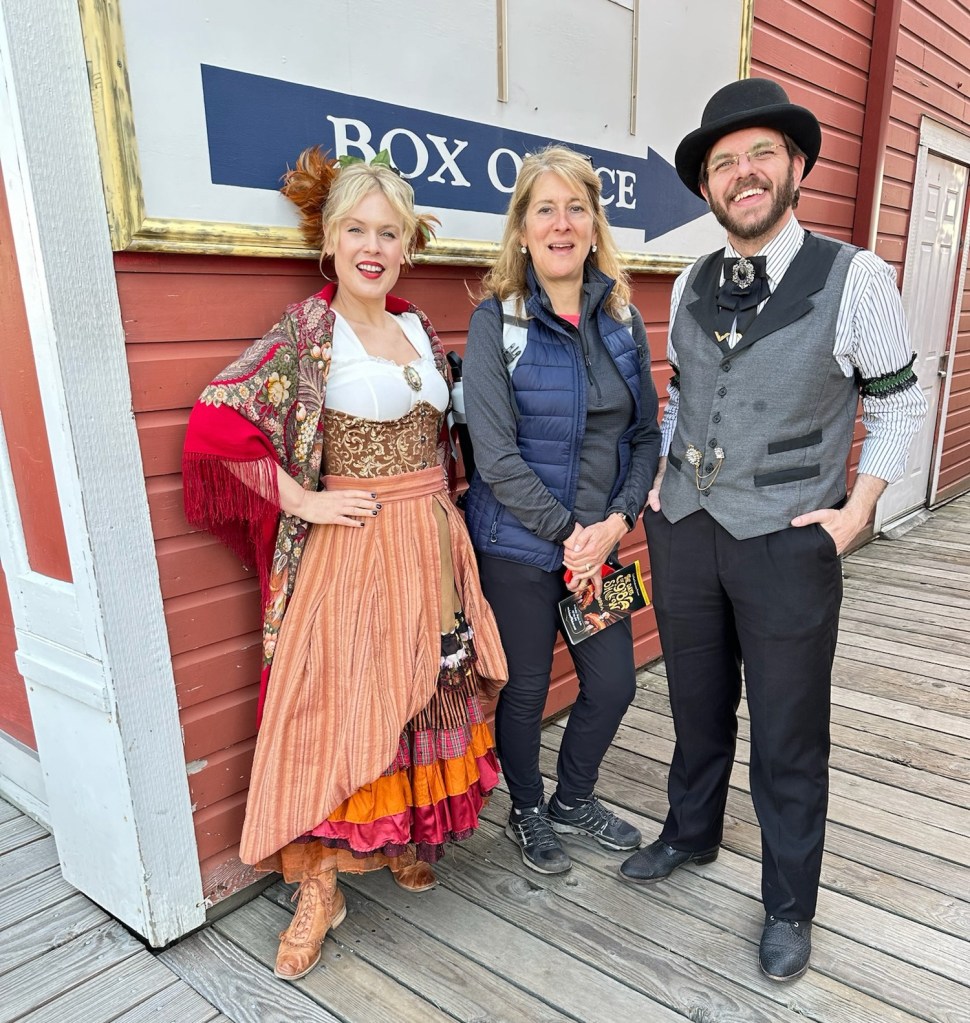
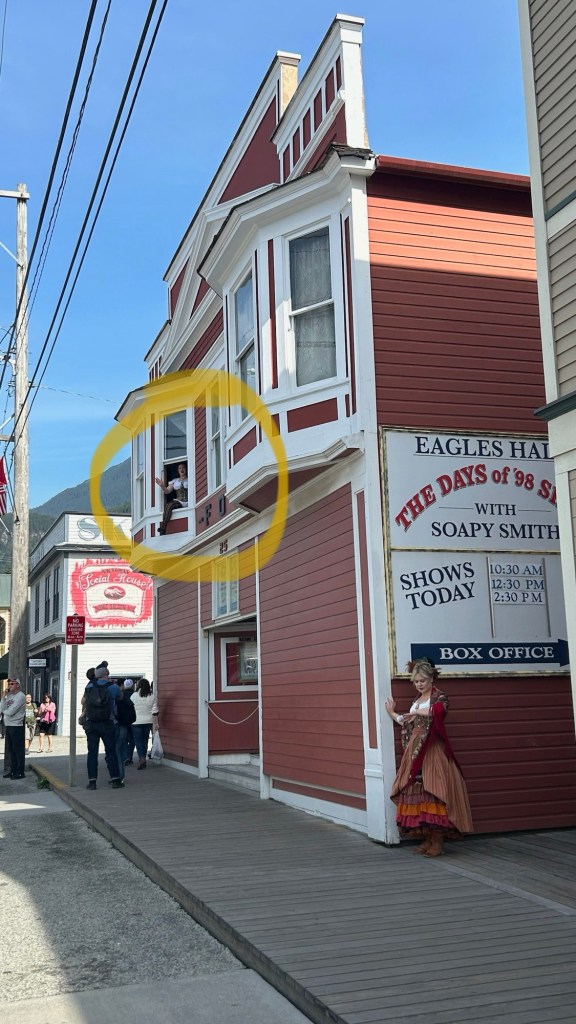
Skagway grew quickly being the only commercial centre for the thousands of people passing through on their way to the gold mines. The town has been so well preserved it is not difficult to imagine and picture it as it was. The irony is that for what is a small town, the influx of the population of two cruise ships probably adds to the re creation of bussle and noise that would have once been the norm. This area was the inspiration for Jack London and his well known novels “Call of the Wild” and “White Fang”. John Nordstrom allegedly earned enough from a stake in a gold mine to allow him to open the first Nordstrom department store in Seattle in 1901.




A great day and well worth the visit.
 Phil and Carolynn's travel adventures