A highlight of our trip to Alaska has been the visit to these two towns, if you can call them that, which are located about five miles apart.
The scale of this phenomenally profitable Kennecot copper mine is vast. At its peak it employed over 600 miners and mill workers. The operation ran for only 25 years before being abruptly halted in 1938.

When the mine shut down the workers had just a couple of days to leave. From then until only very recently the area was cut off from the world. There never was a road connection and the railway to carry out the ore, built in the most extreme conditions and at tremendous cost, required the bridge over the Copper River at Chitina to be rebuilt every year given the large ice flows. Only a few families hung on in the area. Thanks to huge investment and successful execution by the National Park Service, this area is now accessible and a fascinating place to visit. It’s hard to get to and recent foreknowledge of the road condition is essential.
http://www.nps.gov -places – kennecott-mine

In 1848 a Russian party was sent into the area to find the source of the copper which local Indians had been trading. They were never heard from again. Relations between the Russians and natives were poor due to their ruthless methods of fur hunting and trapping. The natives were basically enslaved and the otters and seals were in some places were hunted to near extinction.

Some fifty years later an American military survey group was able to trade information on the location of the source of the copper for food badly needed by the local tribes who were were experiencing famine conditions. That period saw prospectors and settlers come into the area cutting down trees, hunting moose, elk and caribou and also fishing on a large scale. This reduced their food supply and in 1899 the local tribal chief of the Ahtna tribe was persuaded to reveal where they sourced the copper for their own use.
The significance of Kennecott
Back in 1920, copper was in high demand. It was needed for electrification, WW1 munitions and myriad other things. The Guggenheim family already held other substantial interests in extraction and smelting of this critical material. Joining together with the legendary New York banker JP Morgan they formed the Alaska Syndicate, acquired claims to this rich deposit and setup Kennecott Mining Corporation which remains one of the largest mining companies in the world today.
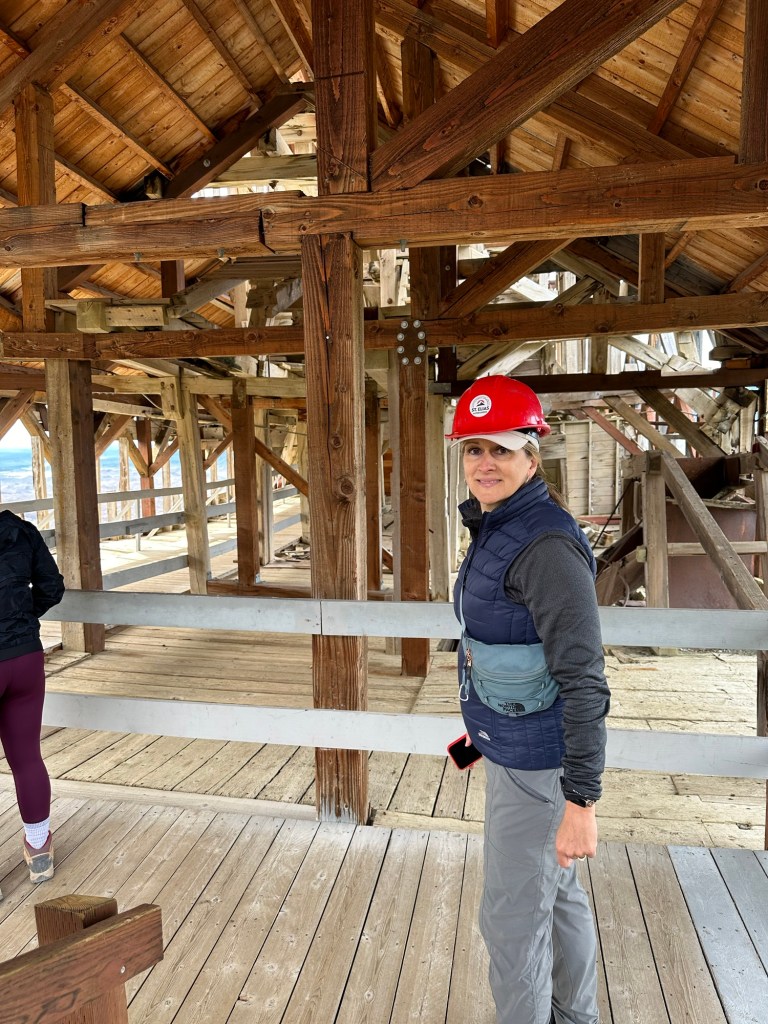

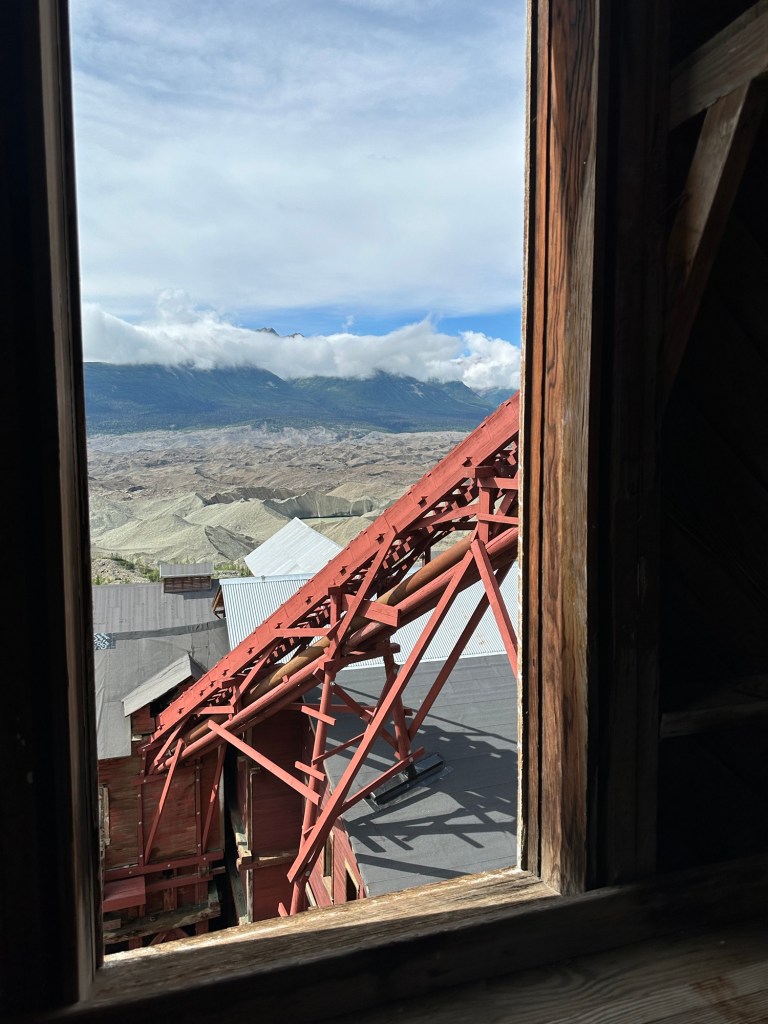
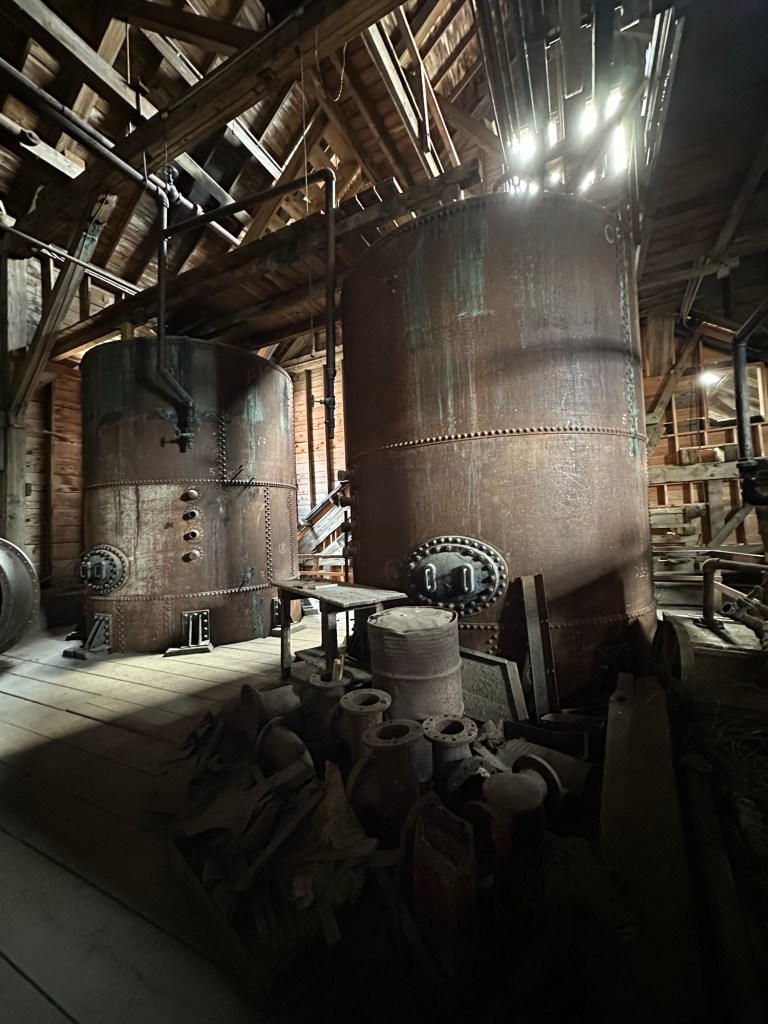
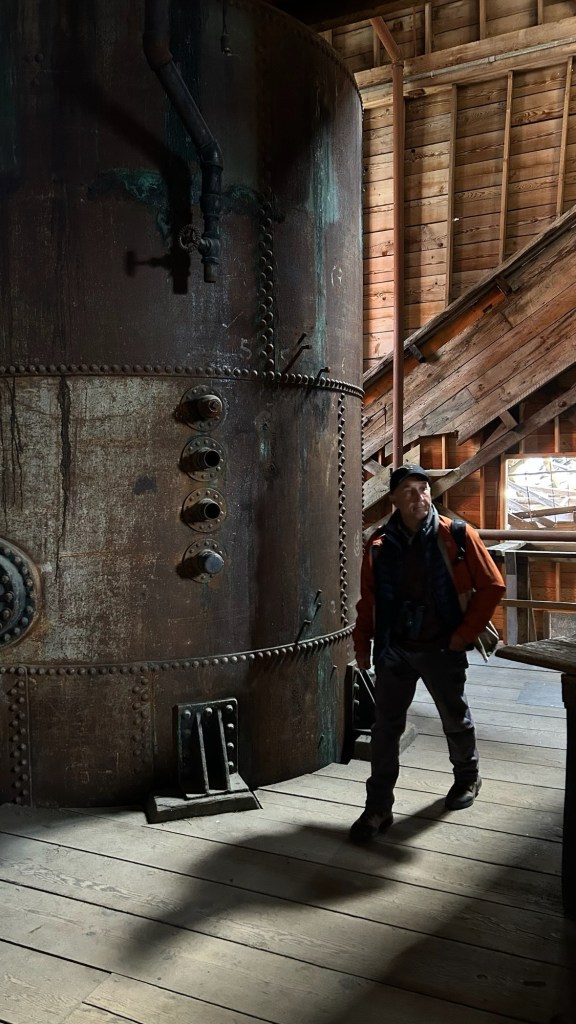
It is estimated that Kennecott, in its 25 years of operation, produced as much as 20% of all the copper in existence today. The purity of the ore that was extracted stunned the mining world. The processes by which the ore was extracted, sent miles down the mountain by cable car and then was crushed and bagged was an industrial marvel for the time.

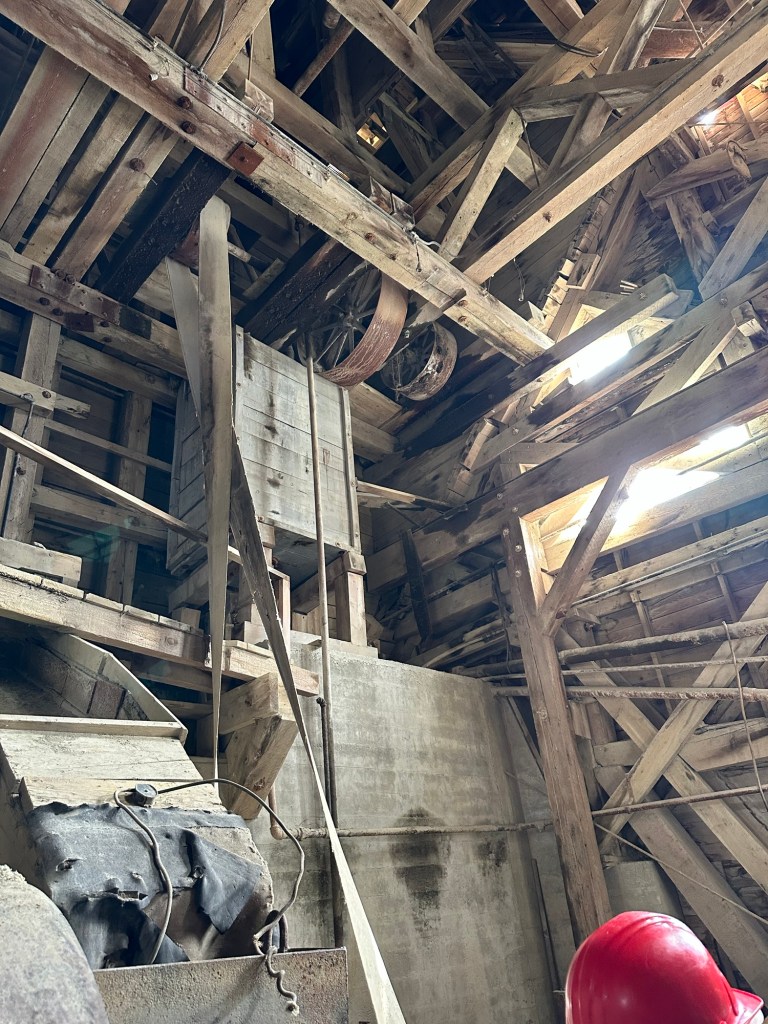

This grand endeavour would not have been feasible without limitless, cheap labour although Kennecott did apparently pay more to miners than anywhere in the remainder of the USA. Gold had been found in the Yukon and also in many places in Alaska causing a rush of men to come north. Most were woefully unprepared for the harshness of the environment and lacked the means to acquire the materials needed to prospect on their own. With all goods coming in by sea and the shipping lines controlled by just a handful of people the costs for everything were high. It was even worse if the plan was to go over the Chilcott Pass into the Yukon as the Canadian government required men to carry one years worth of food before admittance (more on this after we visit Skagway in four days time).

The average tenure for an employee at Kennecott was 18 months and the work force came from all over the world. There was very little other work available outside of the mine. Whilst the pay may have appeared reasonable within the market at that time, the existence of “company scrip”, which allowed for payment at the local comopany owned store and also deductions for food, and housing resulted in amuch lower hourly wage than may have first been envisaged.
Labour unrest along with depletion of richest deposits and challenging legislation driven by a general national sentiment against the swashbuckling robber baron tycoons were all factors in the decision by Kennecott to abandon Alaska in 1938.

The last train from Kennecott left in November 1938 and for decades the place was abandoned. Residents of nearby McCarthy raided the site for all manner of things such as doorknobs, windows and whatnot in the 50 years that followed .
McCarthy is about as weird a town as you can find
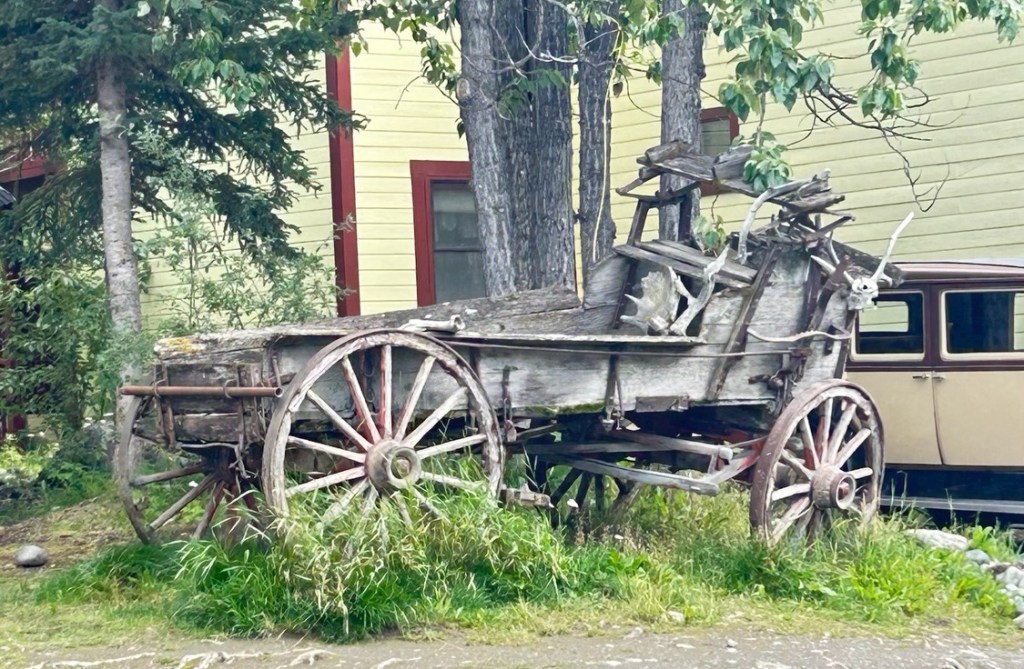
At first I was surprised to find this collection of antique cars, several of which are in running condition. However given that this place was cut off from the rest of the world for more than 40 years these were the only cars they had.


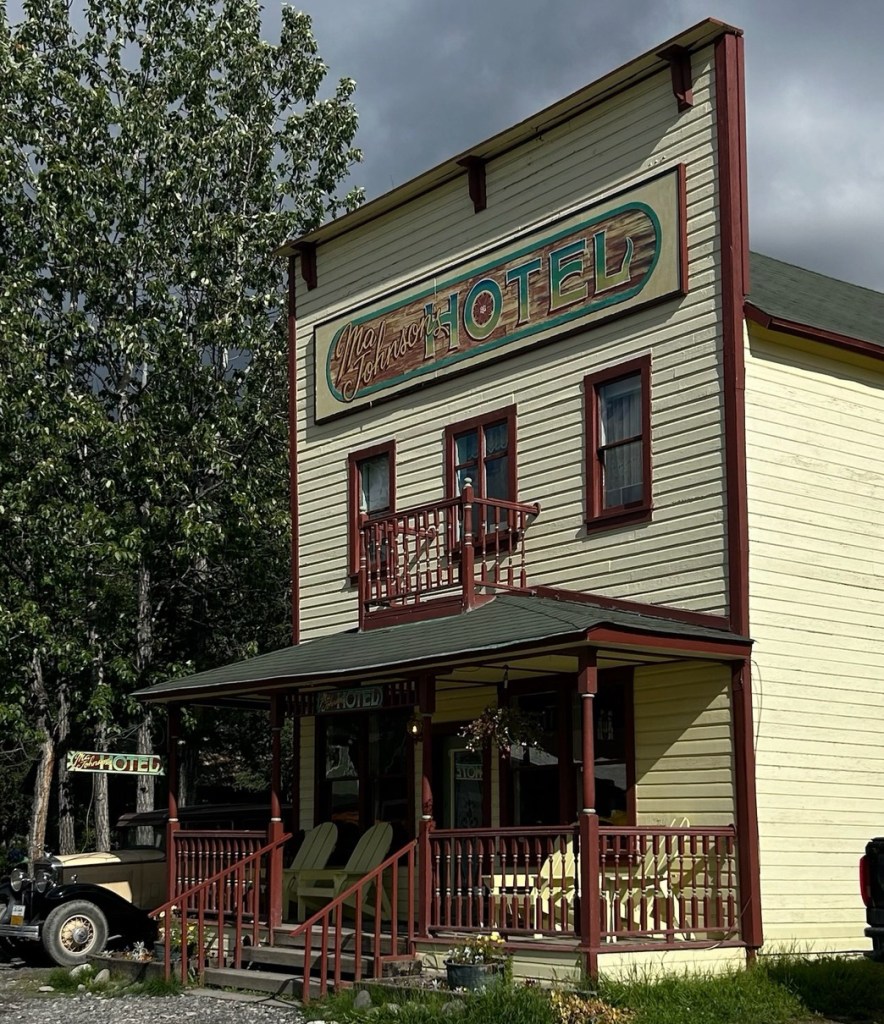


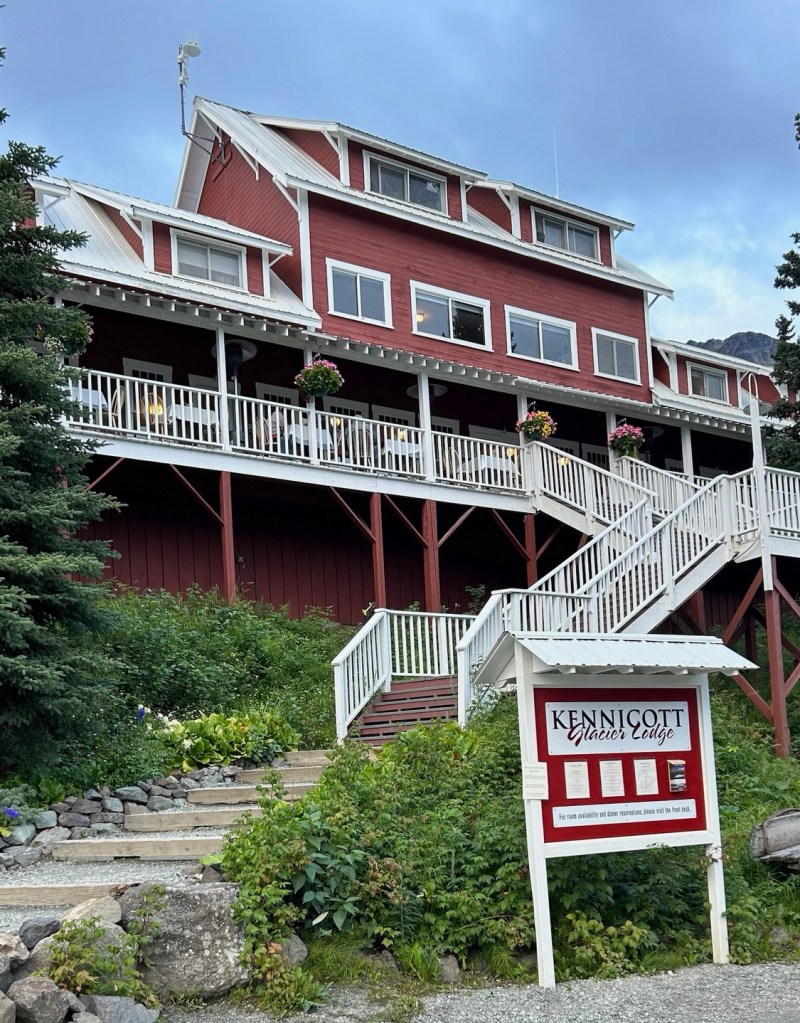
Our stay at The Kennecott Glacier Lodge was the only night we have not slept in the RV during the entire three week rental period. The reasoning was that there is no vehicular access to this area so we had to leave the RV on the other side of the footbridge. It gave a nice one night reprieve from food preparation and tight spaces. This lodge is very well run and we were impressed all around.

 Phil and Carolynn's travel adventures