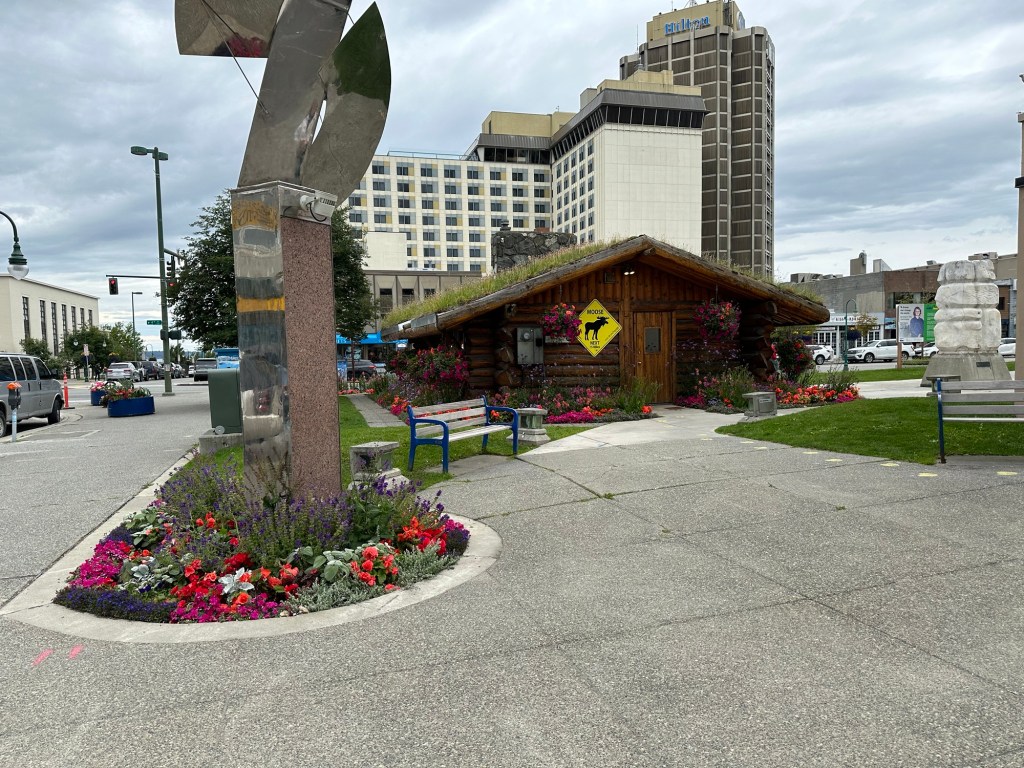
Anchorage is surprisingly spread out with the airport conveniently close to the city centre. There are more hotels than one would expect until you consider this is a major transit hub. The airport has multiple runways and features flights to most major Asian destinations. There were many cargo jumbos on the tarmac with at least six FedEx planes.
Unfortunately Anchorage seems to have the same homeless problem we see in so many cities now. The economy must have been stronger in past times judging by the vacant shops and commercial real estate. One supermarket manager told me that less people going into the offices was the major factor in their business downturn. Same story everywhere on that one.
However there is wealth here. Gold mining, oil production and fishing are still the major economic drivers. Most Alaskans get some form of dividend from the government and natives do much better depending on which tribal corporation represents their interests.
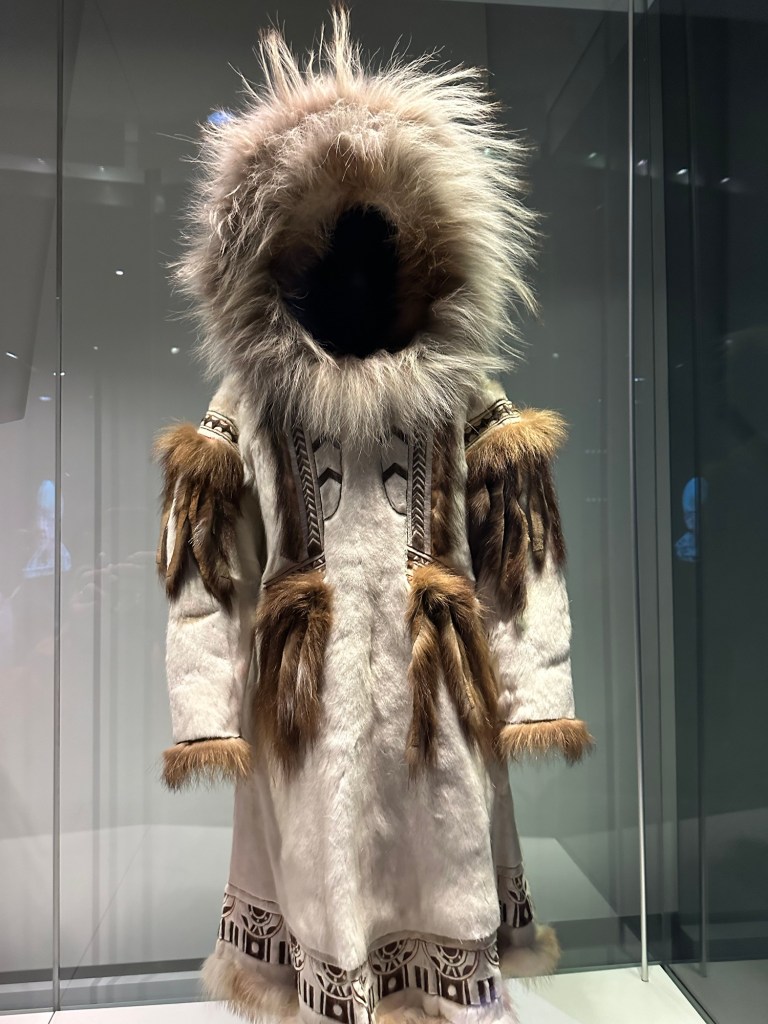
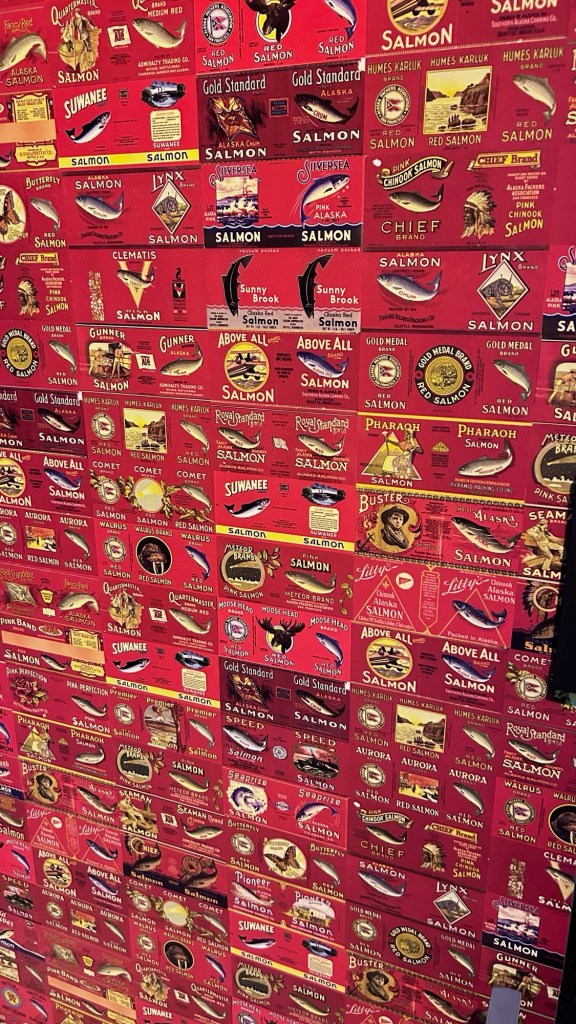
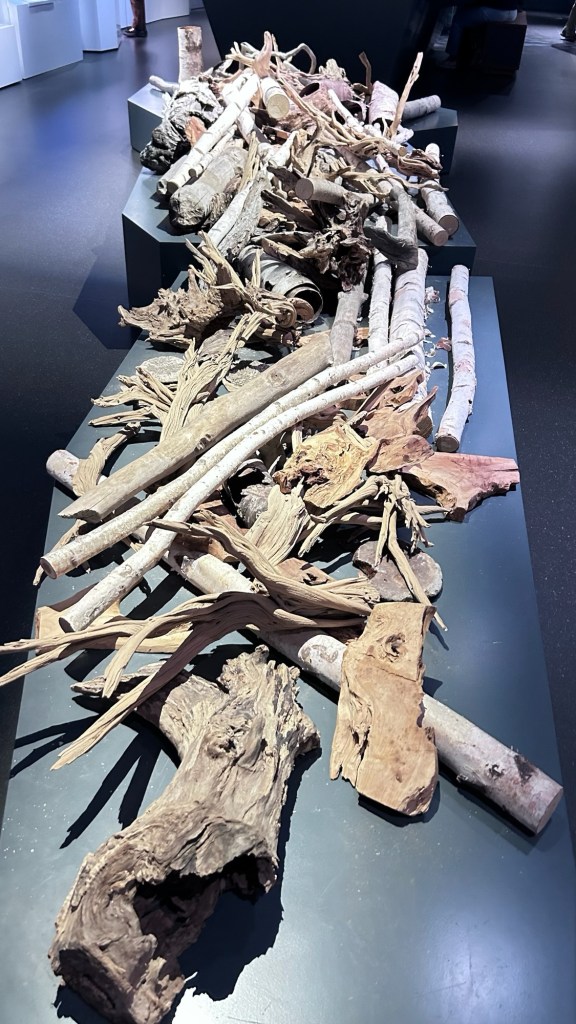
Anchorage Museum
Wasilla


Hatcher Pass
Hatcher Pass sits at the top of the Willow Creek Mining District. Mining districts were established where no local government existed to record mining claims. A mining district made its own laws and following this tradition, miners at Knik, established the Willow Creek Mining District in 1898.
Placer mining, which involves washing or dredging, has preceded hard-rock gold mining throughout history, and Willow Creek district was no exception. The district had humble beginnings in 1897 at Grubstake Gulch, a tributary to Willow Creek. When placer mining in the area failed to meet expectations this sent prospectors into the hills in search of the mother lode.
The district was changed forever in 1906 when Robert Lee Hatcher staked the areas first hard-rock claim. Other discoveries soon followed and hard-rock mining quickly overshadowed placer mining. The Willow Creek mining district grew to more than 38 mines and became Alaska’s second most productive district.




 Phil and Carolynn's travel adventures